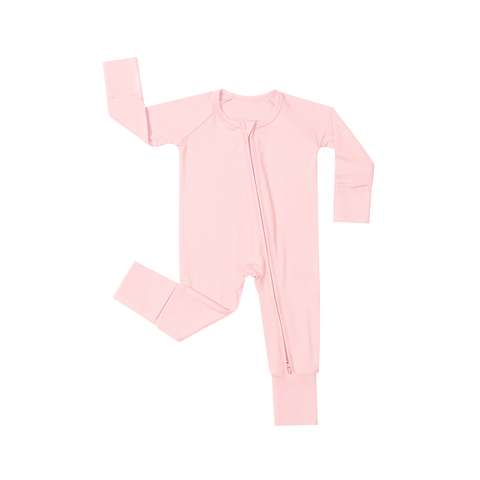
Oem Bamboo Pajamas Wholesale Custom Odm Oem
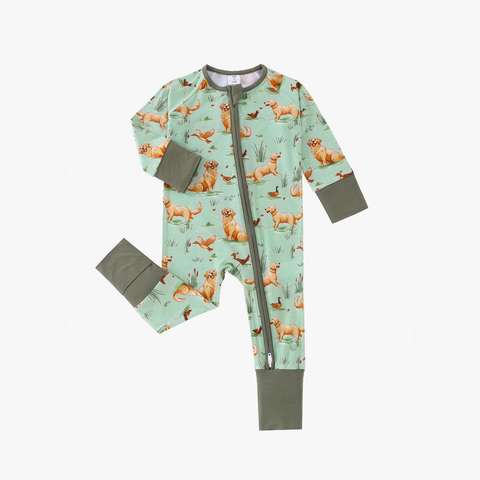
The Technical Advantage of Bamboo Pajamas in Wholesale Customization
The growing demand for sustainable fabrics has put bamboo-based textiles at the forefront of both retail and wholesale markets. Bamboo pajamas, in particular, are gaining traction, not only for their luxurious feel but also for their eco-friendly properties and functionality. For businesses interested in wholesale customization of bamboo pajamas, it is critical to focus on key factors like fabric GSM (grams per square meter), fabric density, and the suitability of industrial machinery in textile production. These elements significantly affect product quality, manufacturing costs, and customer satisfaction.
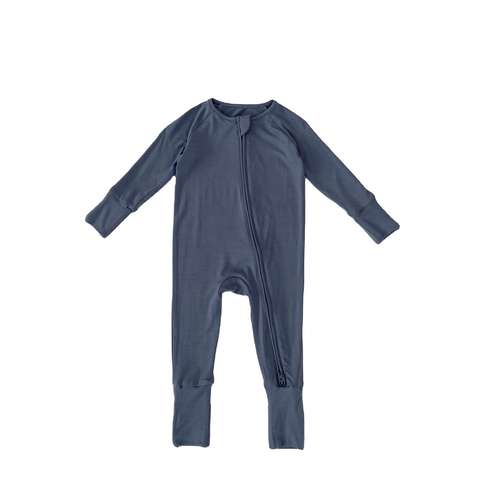
Here, we delve into the technical considerations for creating premium bamboo pajamas while optimizing production processes and ensuring scalability for wholesale custom orders.
Bamboo Fabrics: An Overview of Material Properties
Bamboo is not only a renewable resource but also carries exceptional qualities as a fabric. Its porous structure lends bamboo textiles natural breathability, moisture-wicking abilities, and antibacterial properties. These features make bamboo an ideal material for garments like pajamas, which prioritize comfort and functionality.
The production of bamboo textiles often involves two methodologies: mechanically processed bamboo (commonly referred to as bamboo linen) and chemically processed bamboo (bamboo viscose or rayon). While bamboo linen maintains a more natural structure with higher durability, bamboo viscose offers smooth and soft textures – a popular choice for making pajamas.
The Role of GSM and Fabric Density in Bamboo Pajamas
One of the most critical technical specifications for all fabrics, including bamboo, is the GSM. GSM stands for grams per square meter and indicates the weight of the fabric. For bamboo pajamas, achieving the right GSM is crucial to balance comfort and durability.
Recommended GSM for Bamboo Pajamas
Typical fabric weights for sleepwear fall between 160 to 220 GSM, offering a lightweight yet durable feel. Bamboo textiles within this range provide softness while maintaining high breathability, ensuring a comfortable night’s sleep. The specific GSM you choose for your wholesale customization may also depend on your target market – heavier GSM fabrics are suitable for cooler climates, while lower GSM fabrics are ideal for warmer regions.
Fabric Density and Its Effect on Durability
Alongside GSM, fabric density plays a vital role in the quality of bamboo pajamas. Fabric density refers to how tightly the fibers are woven or knit together. Denser fabrics tend to be more durable and resistant to wear, which is an important consideration for apparel like pajamas that endure frequent washing.
For bamboo pajamas, balancing GSM with appropriate fabric density ensures you produce items that are both soft on the skin and resilient over time. Careful testing through tensile strength analysis can determine whether the balance is ideal for wholesale production.
Industrial Machinery in Bamboo Pajama Fabrication
Customizing bamboo pajamas at a wholesale scale necessitates the use of specialized machinery. From weaving or knitting the fabric to cutting, printing, and sewing, each step requires industrial-scale equipment capable of maintaining efficiency while adhering to high-quality specifications.
Knitting Machines for Bamboo Fabric
Bamboo viscose, often used in pajamas, is commonly produced in knit form due to its elasticity and softness. Circular knitting machines are highly efficient for this purpose, offering precision in GSM and fabric density. High-speed models equipped with electronic controls enable manufacturers to accurately replicate custom requirements for bulk orders.
Additionally, industrial knitting machines are ideal for optimizing production time while minimizing raw material waste – key considerations for companies seeking cost-effective wholesale processes.
Dyeing and Printing Machinery
Wholesale customization often necessitates the personal branding of bamboo pajamas, which requires advanced dyeing and printing technologies. Fabric dyeing machines specifically designed for bamboo textiles ensure rich, even coloration while preserving the natural properties of the material.
For detailed logos or patterns, digital textile printers with eco-friendly inks are becoming the gold standard. These machines enable high-resolution printing and support small, medium, or large production runs, depending on your needs.
Optimizing the Supply Chain for Bamboo Pajama Wholesale
Sourcing, processing, and delivering bamboo pajamas in bulk require an efficient supply chain. From selecting the right bamboo fiber supplier to ensuring flawless delivery of finished products, each step must be meticulously planned to meet the demands of wholesale partners.
Eco-Friendly Sourcing of Bamboo Fibers
Ensuring the sustainability of bamboo pajamas starts with sourcing raw materials. Reputable suppliers that harvest bamboo without the use of pesticides or synthetic fertilizers guarantee an eco-friendly base for the final product. Verification through third-party certifications like OEKO-TEX, GOTS, or FSC is essential for maintaining trust with clients and end-users.
Efficient Fabric Cutting and Sewing
Cutting bamboo fabric to specification for custom designs requires CAD-enabled laser cutting machines, as they offer the precision and efficiency needed for large-scale projects. Automated sewing systems further streamline operations, improving productivity without compromising craftsmanship. Collapsible templates are often employed to accommodate multiple size variants within a single production run.
| Fabric Type | Organic Bamboo |
| Compliance | GOTS Organic |
| Customization | Bespoke |
| Lead Time | 19 Days |
Additionally, businesses should invest in machinery that combines overlock and cover stitch functions, as these are crucial for creating seamless bamboo pajamas with lasting quality.
The Benefits of Wholesale Custom Bamboo Pajamas
Businesses involved in wholesale production of bamboo pajamas stand to benefit immensely by tapping into current market trends. Here are some of the advantages:
Meeting Consumer Demand for Sustainability
Bamboo as a textile scores highly with eco-conscious consumers. The ability to provide custom bamboo pajamas that align with sustainable practices builds trust and leads to higher sales for retailers, which in turn secures repeat business for wholesale suppliers. From production to packaging, every green initiative you adopt could distinguish your brand in a competitive market.
Expanding B2B Opportunities
Beyond traditional retailers, bamboo pajama wholesalers can target hotels, spas, and wellness retreats. These industries seek soft, hypoallergenic sleepwear that matches their luxury standards. Wholesale customization enables businesses to offer tailored products for different industries, unlocking diverse revenue streams.
Cost-Efficiency for Bulk Orders
A well-optimized manufacturing process leveraging advanced machinery can dramatically lower per-unit costs. By maintaining consistency in fabric GSM, density, and customization features, you can produce confidently in bulk while reducing waste and inefficiencies.
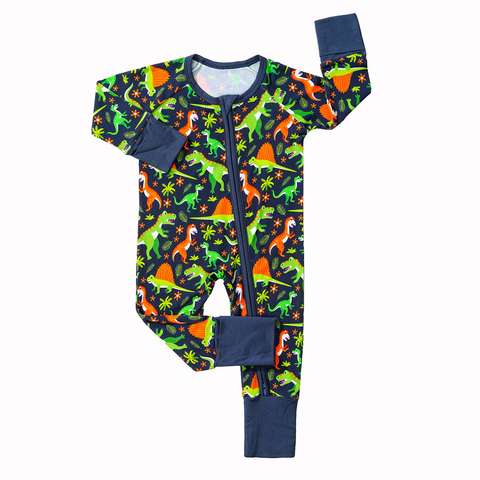
: Bamboo Pajamas as a Lucrative Wholesale Opportunity
Developing and manufacturing customized bamboo pajamas at a wholesale level demands a keen understanding of several technical and operational factors. By focusing on GSM and fabric density, investing in the right industrial machinery, and optimizing supply chains, businesses can produce sleepwear of premium quality aligned with the market’s increasing demand for sustainable options.
Bamboo pajamas represent a win-win for suppliers, retailers, and consumers alike. From breathability to eco-consciousness, they tick all the right boxes. For businesses prepared to merge technical precision with creative customization, the wholesale market for bamboo pajamas offers immense growth potential.