Oem Bulk Bamboo Pajamas Odm Manufacturer

The Science and Technology Behind Bulk Bamboo Pajamas
In the competitive textile manufacturing industry, bamboo fabric is establishing itself as a leading material due to its sustainability, comfort, and versatility. Designed to meet the demands of large-scale distribution, bulk bamboo pajamas offer a unique proposition for B2B clients. However, achieving consistent quality at scale requires in-depth knowledge of fabric density, GSM (grams per square meter), and the industrial machinery that makes such production possible. This article explores the technical considerations essential for manufacturing bulk bamboo pajamas, focusing on these core aspects.

Understanding Fabric Density in Bamboo Pajamas
Fabric density refers to the number of threads or fibers present per specific unit of measurement, typically one square centimeter or square inch. In bamboo textiles, this factor directly influences the product's durability, softness, and moisture-wicking properties.
For manufacturers, maintaining optimal fabric density is crucial when scaling up production. Bamboo fibers are inherently fine, and even slight deviations in density can compromise fabric structure, leading to inconsistencies in texture and performance. The ideal fabric density for bamboo pajamas ranges between 150 to 250 threads per square inch (or an equivalent adjusted for fabric structures like knits). Variations within this range ensure that the garments retain their lightweight and breathable qualities.
Industrial machinery, such as circular knitting machines or rapier looms, play a major role in aligning these fibers. Proper calibration of feed rates and tension settings on these machines is critical to achieving uniform fabric density across large batches. Data-driven manufacturing systems with computerized control panels have become industry standards for optimizing these parameters at scale.
The Role of GSM in Bamboo Pajama Manufacturing
GSM (grams per square meter) is a key metric that defines fabric weight. In the case of bamboo pajamas, the GSM significantly impacts the garment’s aesthetic, feel, and performance.
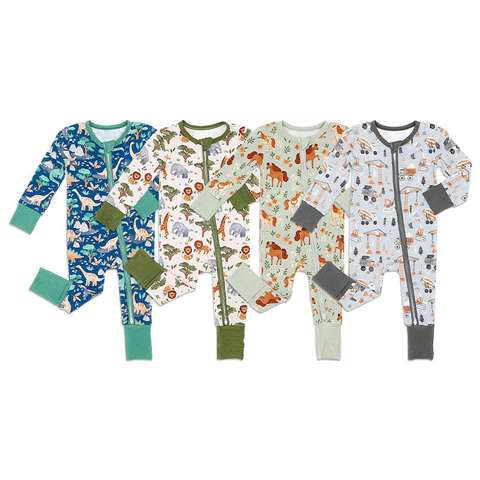
Lightweight bamboo pajamas typically range from 120 to 160 GSM, offering maximum breathability and comfort for warmer climates. Alternatively, heavier fabrics with a GSM between 200 and 300 are better suited for cooler environments or dual-season pajamas. Bulk production often requires accommodating diverse market preferences, making GSM customization a vital part of the process.
Precision in GSM management arises from the drafting, spinning, and knitting or weaving stages in production. Advanced industrial machinery, such as automated weft feeders and GSM control sensors, are employed to maintain accuracy. Machines like Jacquard knitting machines or air-jet looms are capable of real-time adjustments to GSM values, thus ensuring consistent product quality even in bulk productions.
Industrial Machinery Involved in Bamboo Pajama Production
Manufacturing bulk bamboo pajamas at scale requires sophisticated machinery capable of processing delicate bamboo fibers with precision. The process typically entails the spinning, dyeing, and fabric assembly stages, each of which demands specialized equipment.
1. Bamboo Fiber Extraction and Pre-Processing
The process begins with extracting cellulose from raw bamboo. This involves mechanical or chemical treatment, where industrial-grade machinery, such as roll crushers and defibrators, separates the fibers while minimizing breakage.
Once extracted, the fibers are treated using softening agents in large-scale industrial mixers and vats. Fiber pre-processing ensures the material’s pliability, which is vital for the subsequent spinning and knitting phases.
2. Spinning and Yarn Production
The production of bamboo yarns lies at the heart of pajama manufacturing. Ring spinning machines, rotor spinning machines, and compact spinning systems are employed to create fine, even threads from the bamboo pulp. These systems use controlled twisting mechanisms to align fibers efficiently, enhancing their tensile strength and evenness.
Automation plays a huge role at this stage, utilizing digital sensors and computer-controlled machinery to monitor parameters such as twist per inch (TPI) and slub frequency. Automated bobbin changers and piecers speed up production time while reducing waste, making the spinning stage both efficient and cost-effective.
3. Knitting or Weaving Fabric
After spinning, the bamboo fibers are woven or knitted into fabric. Circular knitting machines are particularly popular for pajama production due to their ability to create seamless, stretchable fabrics. These machines offer a high level of customization, allowing manufacturers to produce various patterns, densities, and GSM values suited to customer demands.
For woven bamboo fabrics, rapier looms or air-jet looms are frequently used. Known for their speed and precision, these machines excel at maintaining uniform fabric density and minimizing defects in large-scale production.
4. Dyeing and Finishing
Bamboo fabrics are highly absorbent, making them ideal for vibrant color applications during the dyeing process. Dyeing machines such as jet dyeing systems or pressure dyeing vessels are used to achieve uniform color distribution. These machines utilize eco-friendly, low-water processes to ensure sustainability.
Finishing processes, such as calendaring, brushing, and softening, are vital to the final feel of the bamboo pajamas. Machines like stenters and rotary press systems provide smooth, wrinkle-free finishes, while enzyme washing treatments enhance fabric softness. Digital finishing equipment also ensures consistency in bulk orders, meeting B2B quality assurance requirements.
| Fabric Type | Organic Bamboo |
| Compliance | CPC Certified |
| Customization | ODM |
| Lead Time | 28 Days |

Key Factors for Scaling Bulk Bamboo Pajama Production
Achieving efficiency, sustainability, and high quality in bulk bamboo pajama manufacturing depends on managing a few critical aspects. First, sourcing raw bamboo materials from certified, eco-friendly suppliers ensures that the end product adheres to environmental standards. Second, investing in modern, automated machinery is crucial for consistency and cost efficiency at scale.
Automation, in particular, allows manufacturers to streamline workflows and monitor critical metrics, from fabric density to GSM. Continuous data feedback during production ensures early detection of defects, optimizing yield. These technological advancements also minimize waste and energy consumption, which are pivotal for businesses targeting eco-conscious markets.
Adherence to industry certifications and compliance with global standards—such as OEKO-TEX®, GOTS (Global Organic Textile Standard), and FSC® (Forest Stewardship Council)—further strengthens the competitive appeal of bulk bamboo pajamas in B2B sectors.
The Future of Bamboo Pajama Manufacturing
The increasing demand for sustainable and comfortable sleepwear has positioned bamboo pajamas as a product with significant growth potential in the B2B market. Technological innovations in the textile industry, coupled with advancements in machinery, are enabling manufacturers to produce high-quality garments on an industrial scale. From optimizing fabric density and GSM to ensuring sustainability through automated, eco-friendly machinery, the possibilities for bulk bamboo pajama manufacturing continue to expand.
Businesses looking to invest in the bamboo textile sector stand to benefit not only from cost efficiencies but also from a premium product line that aligns with today’s consumer values. Bulk bamboo pajamas represent a forward-looking opportunity to simplify supply chains while delivering on quality, comfort, and sustainability.