Oem Kids Christmas Bamboo Pajamas Private Label Manufacturer
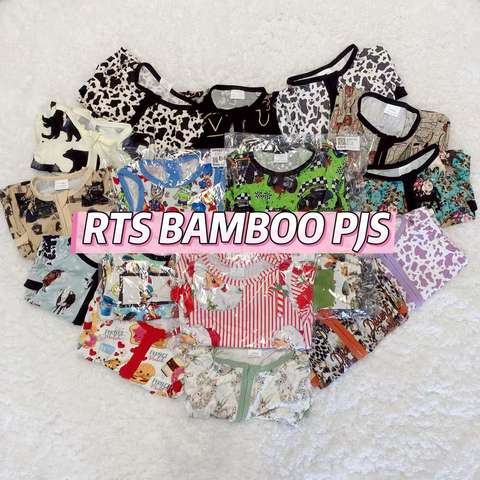
The Science Behind Kids Christmas Bamboo Pajamas
As demand for sustainable and high-quality textiles grows, bamboo fabric has emerged as an innovative choice for children's clothing. Particularly in the production of kids' Christmas-themed bamboo pajamas, the interplay of GSM (grams per square meter), fabric density, and industrial machinery is fundamental in achieving comfort, safety, and durability. In this article, we will dive deep into the technical aspects of these garments, exploring how raw bamboo fibers are converted into soft, breathable fabrics through precision-engineered processes.
Understanding GSM and Its Role in Bamboo Pajamas
GSM, or grams per square meter, is one of the most critical parameters in fabric manufacturing, functioning as a measure of fabric weight and providing key insights into its suitability for different applications. For kids' Christmas bamboo pajamas, the ideal GSM is typically in the range of 180 to 300. This range strikes the right balance between softness, durability, and breathability.
Lower GSM fabrics (<180) tend to be lighter and more breathable, making them ideal for regions with warmer climates. However, they might lack the durability and warmth needed in colder regions, where heavier fabrics (≥280 GSM) offer added insulation and weight. Mid-range GSM bamboo fabric (around 200-240) is often preferred for children's sleepwear due to its year-round versatility and ability to handle playful activity while remaining soft on sensitive skin.
Fabric Density and Its Effect on Comfort and Durability
Besides GSM, fabric density plays a significant role in determining the structure and wearability of kids’ bamboo pajamas. Fabric density refers to the number of threads per unit area, typically calculated in stitches per inch (SPI) or threads per square inch (TPI). High fabric density ensures that the pajamas are more resistant to wear and tear while providing a smooth texture that feels cozy against the skin.
For children's wear, fabric density must also account for the delicate nature of young skin. Manufacturers often balance high-density threading with softer yarn finishes, ensuring optimal comfort without sacrificing structural integrity. High-density bamboo fabric is particularly effective in moisture-wicking, which helps keep children cool while sleeping, making it an ideal choice for the dynamic needs of Christmas pajamas.
The Role of Industrial Machinery in Bamboo Fabric Production
The transformation of bamboo into luxurious fabric involves sophisticated industrial machinery tailored to each step of the manufacturing process. The journey begins with the extraction of bamboo pulp, which can either be mechanically or chemically processed. In the mechanical process, machines crush raw bamboo and introduce natural enzymes to break down fibers. Chemically, machines like digester tanks are used to treat bamboo with solvents, producing a viscose-like material.
Knitting and Weaving Machines
Once the bamboo yarn is spun, advanced knitting or weaving machines are employed to define the fabric's texture and density. Circular knitting machines are commonly used in bamboo sleepwear production to create stretchable and soft jersey knits, while weaving looms may also play a role in crafting durable bamboo blends.
Dyeing and Printing Machines
Christmas-themed bamboo pajamas rely on vibrant, holiday-themed patterns. Here, digital dye-sublimation and reactive dyeing machines come into play. Reactive dyeing ensures the fibers absorb festive colors deeply, achieving durability through repeated washing cycles. Printing machines are programmed to add cheerful patterns like reindeer, snowflakes, or Christmas trees onto the pajamas with high precision.
Cutting and Sewing Machines
Precision-cutting machines, often guided by CAD technology, help ensure minimal fabric wastage during production. Industrial sewing machines then assemble the bamboo pajamas, employing reinforced seams to enhance durability while maintaining the light, breathable feel that parents demand for their children.
Sustainability and Safety in Kids' Bamboo Pajamas
In addition to superior comfort and durability, sustainability plays a central role in the appeal of kids' Christmas bamboo pajamas. Bamboo is a fast-growing renewable resource that requires minimal water and pesticides to cultivate. However, sustainability also depends on the manufacturing process. Closed-loop systems in viscose production, for example, ensure that the chemical solvents used to process bamboo are recycled rather than discarded, minimizing environmental impact.
| Fabric Type | Organic Bamboo |
| Compliance | ASTM F963 |
| Customization | OEM |
| Lead Time | 32 Days |
Safety is equally important, particularly for children's sleepwear. Strict standards, such as the Oeko-Tex Standard 100 certification, ensure that finished bamboo pajamas are free from harmful chemicals. Ensuring flame retardancy, a requirement for children's sleepwear in many countries, is achieved through natural finishes or additional treatments that meet industry regulations. Industrial machinery takes center stage in enforcing these high standards, with laser sensors and automated QA/QC systems identifying flaws before products reach the market.
Advantages of Bamboo Pajamas for B2B Buyers
For businesses sourcing textiles, the technical advantages of bamboo-based pajamas make them a compelling choice for holiday collections. Bulk production using bamboo fabrics reduces reliance on non-renewable sources like synthetic polyester or cotton grown with heavy irrigation. , innovations in industrial machinery allow for high-efficiency production with minimal waste, benefiting both the manufacturer and the environment.

Suppliers catering to niche markets, such as sustainable or hypoallergenic children’s clothing, gain a competitive edge through bamboo textiles. Their natural antimicrobial and thermoregulating properties ensure that products appeal to eco-conscious parents, reinforcing the demand for sustainable yet highly functional fabrics during the festive season.
Kids' Christmas bamboo pajamas represent the perfect marriage of technical innovation, sustainability, and comfort. From GSM and fabric density to the sophisticated industrial machinery driving production, each step is designed with precision to meet the unique needs of customers. For businesses in the textile and retail industries, investing in bamboo as a material is a strategic move that aligns with evolving market demands for eco-friendly, high-performance, and festive clothing solutions.