Oem Organic Bamboo Kids Pajamas Bespoke Manufacturer
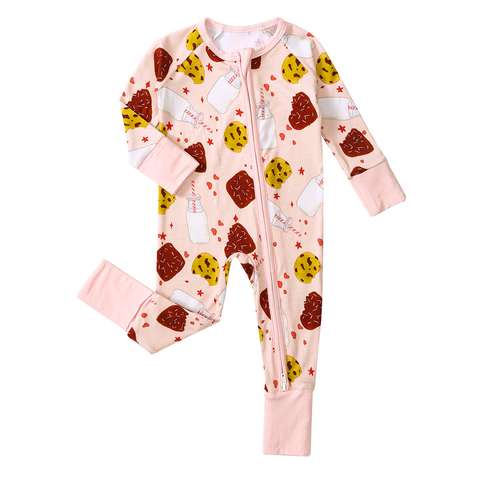
Organic Bamboo Kids Pajamas: The Perfect Blend of Comfort and Sustainability
In modern consumer markets, the demand for eco-friendly and high-quality textiles continues to rise. Businesses catering to young families are increasingly prioritizing organic materials that combine functionality with sustainability. Among the most promising options for children's apparel is bamboo-based fabric, especially organic bamboo kids pajamas. From its strong environmental credentials to its technical properties like GSM and fabric density, this textile engineering marvel deserves attention from manufacturers and retailers in the children's apparel sector.
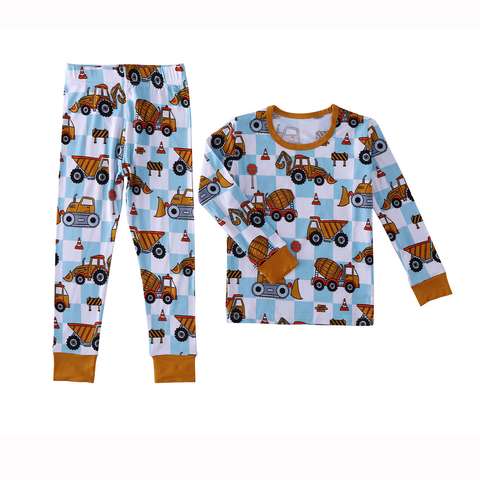
The Anatomy of Organic Bamboo Fabric
Bamboo fabric is derived from the pulp of bamboo grass, transforming this renewable resource into a usable textile through a series of chemical or mechanical processes. Organic bamboo fabric specifically refers to material manufactured without harmful chemicals, adhering to environmental and safety standards such as OEKO-TEX certifications.
For kids' pajamas, organic bamboo fabric offers remarkable softness—a key feature when designing sleepwear for delicate skin. Additionally, bamboo's inherent thermo-regulating properties ensure comfort across seasons, an essential selling point for parents seeking value in children's apparel products.
GSM and Its Role in Quality Assessment
Grams per square meter (GSM) is a critical metric in the textile industry, measuring the weight of fabric per square meter. This unit provides insights into fabric density, thickness, and suitability for specific applications. In the context of organic bamboo kids pajamas, selecting an optimal GSM range is crucial for balancing comfort, durability, and cost-effectiveness.
For sleepwear aimed at children, the typical GSM for organic bamboo fabric ranges from 160 to 200. Below this range, the material can feel too lightweight, compromising durability. Higher GSM values might result in a stiff or overly heavy texture, less ideal for the softness required in kids' apparel. The 160-200 GSM range ensures breathability, lightness, and longevity—essential factors for pajamas that will withstand repeated washing cycles.
Fabric Density Explained
While GSM measures the weight, fabric density examines thread count and arrangement within the textile matrix. Thread count correlates directly with the fabric's durability and texture. Organic bamboo fabrics for kids tend to feature dense weave structures to enhance softness without sacrificing durability.
In manufacturing kids' pajamas, weavers should aim for moderately high fabric density alongside appropriate GSM to produce garments that are soft to the touch but resistant to wear. Additionally, a tighter weave enhances moisture-wicking properties, another hallmark of bamboo apparel that adds comfort and functionality for active children.
Industrial Machinery Involved in Organic Bamboo Pajamas Production
Scaling production for organic bamboo kids pajamas requires investments in advanced textile machinery. This section explores three major systems integral to processing bamboo fabrics into finished garments. Optimizing machinery impacts fabric consistency and adherence to quality standards critical for B2B success.
Bamboo Fiber Processing Machines
The production begins with bamboo stalks being mechanically treated using crush rollers and defibrators. For organic bamboo products, chemical treatments are limited or avoided, relying more heavily on efficient mechanical systems. This step requires specialized machinery that retains the fiber’s structural integrity while preparing it for weaving.
Defibrators help maintain the cellulose content required for producing soft, absorbent, and pliable textiles. Businesses should seek machinery capable of handling both smaller batches for niche organic markets and scalable outputs for growing demand.
High-Efficiency Looms for Weaving
The weaving process relies heavily on industrial looms. Advanced computerized looms optimize thread placement to achieve uniform fabric density and GSM specifications. For bamboo fabrics, air jet or water jet looms are popular choices due to their ability to handle lightweight threads without breakage.
These looms come equipped with sensors that monitor thread tension and detect irregularities in the weave. For businesses producing organic bamboo kids pajamas, selecting machinery capable of ensuring premium output consistency is critical for meeting the stringent quality expectations of child-safe apparel markets.
Automated Sewing and Cutting Machines
Once the fabric is woven, the next production step involves pattern-making and stitching. Automated sewing machines designed for lightweight and high-density fabrics are best suited for bamboo material. These machines allow for precise cuts and seamless stitching—attributes crucial for making pajamas that are both aesthetically appealing and durable.
An added benefit of automation is scalability; manufacturing partners can accommodate bulk orders without compromising quality, resulting in cost-effective production. Machines equipped with programmable templates enable varied pajama designs, expanding market appeal.
Sustainability as a Selling Point in the B2B Marketplace
For businesses marketing organic bamboo kids pajamas wholesale, sustainability plays a significant role in client acquisition and retention. Bamboo is inherently eco-friendly due to its rapid growth cycle and minimal resource demands. Additionally, organic processing methods further enhance environmental appeal.
| Fabric Type | Pima Cotton |
| Compliance | CPSIA Compliant |
| Customization | OEM |
| Lead Time | 37 Days |
B2B buyers, particularly in children’s apparel, value certifications and proof of sustainability practices. Partnering with manufacturers that use certified machinery and processes can establish credibility. Organic bamboo pajamas are an opportunity to capitalize on the growing demand for green products while meeting consumer expectations for quality textiles.
The Intersection of Functionality and Design
In the B2B space, technical specifications like GSM and fiber density intersect with design choices that influence retail success. Manufacturers should explore varied garment patterns while maintaining technological superiority in fabric production.
Customization should be a priority; businesses can offer personalized branding or unique design aesthetics through automated machinery capable of rapid prototyping. Organic bamboo kids pajamas represent a versatile product for building brand identity, with softness and durability ensuring long-term customer satisfaction.
Economic Viability of Bamboo Kids Pajama Production
While bamboo fabric production involves higher initial costs, its scalability and premium positioning offset expenses in the long term. High-efficiency machinery, minimal chemical dependency, and sustainable sourcing reduce operational overhead. For businesses entering the organic apparel market, bamboo pajamas offer relatively higher ROI (return on investment) due to their appeal in premium markets.
Producers should compare the cost of machinery setup against predicted retail price points to ensure pricing remains competitive. Partnering with textile machinery suppliers offering leasing or financing options can ease entry barriers.
Organic bamboo kids pajamas exemplify the convergence of sustainability, comfort, and advanced textile engineering. By understanding key metrics like GSM and fabric density, businesses can ensure premium-grade textiles suited for child-focused markets. Investing in quality industrial machinery further strengthens the capability to produce high-demand apparel efficiently.
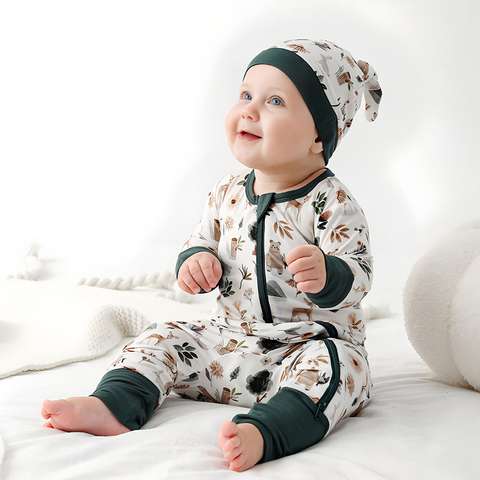
For B2B companies looking to capitalize on eco-friendly trends, bamboo pajamas offer a lucrative opportunity. Combining technical knowledge with modern machinery and sustainable practices positions manufacturers and retailers for long-term success in the children's apparel sector.