Oem Organic Cotton Knit Romper Newborn Romper Gots Organic Factory
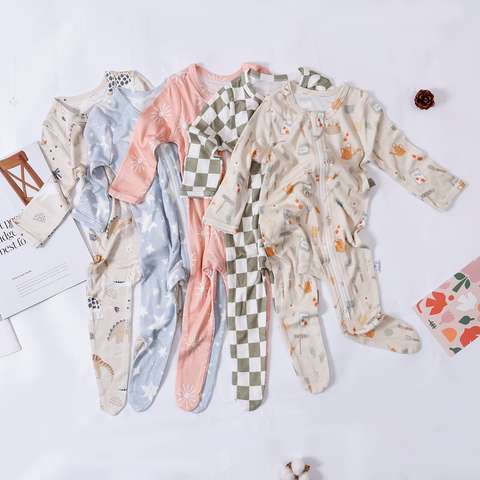
Engineering Excellence in Organic Cotton Knit Newborn Rompers
Organic cotton knit newborn rompers are quintessential products that symbolize quality, sustainability, and comfort. Behind the cozy fabric lies a world of advanced engineering involving precise calculations of GSM (grams per square meter), optimized fabric density, and the application of cutting-edge industrial machinery. For manufacturers, understanding these technical foundations is crucial to producing superior and competitive textile products in today’s market.

Understanding GSM and Its Role in Textile Manufacturing
GSM, or grams per square meter, is a critical parameter in the production and evaluation of textile products like organic cotton knit newborn rompers. It determines the weight and thickness of a fabric, impacting its durability, softness, and quality.
When designing newborn rompers, an ideal GSM typically ranges from 150 to 250. Lower GSM values ensure lightweight clothing that is breathable and soft for delicate newborn skin. At the same time, a higher GSM offers greater durability and elasticity, essential for active infants.
In the case of organic cotton knit fabric, consistency in GSM is maintained by using calibrated weighing and cutting equipment within the manufacturing chain. Precision is paramount, as even minor variations in GSM can noticeably impact the end product's feel and performance.
The Importance of Fabric Density in Baby Apparel
Fabric density refers to the tightness or looseness of woven or knitted materials and significantly affects the romper’s texture, strength, and warmth. A dense organic cotton knit fabric ensures better durability, protection from external elements, and thermal regulation, vital for newborns who are sensitive to temperature changes.
In the context of newborn rompers, achieving optimal fabric density involves balancing thread count during knitting processes while maintaining a soft finish. High-density knits may utilize finer organic cotton threads spun with advanced machinery to create a smoother surface, ensuring comfort and safety for infants.
, fabric density directly ties into production scalability. Industrial knitting machines are programmed to produce uniform fabric densities consistently. High-quality machinery minimizes inconsistencies, ensuring that each piece meets rigorous standards for baby apparel.
Role of Industrial Machinery in Organic Cotton Knit Romper Manufacturing
Industrial machinery forms the backbone of organic cotton knit romper production. From spinning to knitting and finishing processes, machinery automation guarantees efficiency, precision, and scalability while upholding eco-friendly practices.
1. **Spinning Machines**: Organic cotton yarn is produced using spinning systems that convert raw cotton fibers into threads. These machines adhere to strict eco-standards, ensuring no harmful chemicals are introduced during processing. Superior thread quality is key for knitting fine, breathable rompers for newborns.
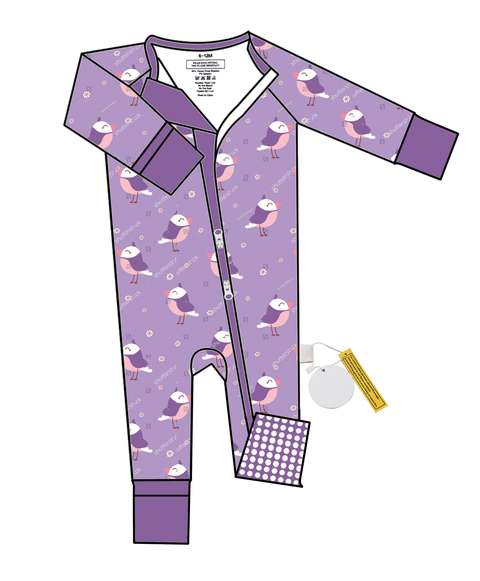
2. **Knitting Machines**: Specialized circular knitting machines are instrumental in creating organic cotton knit fabrics. Each machine is programmed to maintain precise thread tension and pattern consistency. For baby clothes, double-knit fabrics are often preferred, ensuring a blend of durability and softness.
3. **Cutting & Sewing Equipment**: Automated cutting ensures each romper's panels are uniform, while industrial sewing machines enable rapid assembly with reinforced seams. Additionally, garment-specific sewing processes such as flatlock stitching are employed to prevent irritation for newborn skin.
4. **Finishing Machinery**: Organic cotton rompers undergo finishing processes, including dyeing, washing, and drying. Eco-certified dyeing machinery ensures minimal water consumption and zero discharge of hazardous chemicals, thus preserving the sustainability ethos of organic textiles.
Maintaining Sustainability Standards in Textile Engineering
As the demand for organic cotton products grows, manufacturers are under pressure to align production processes with stringent sustainability standards. This involves adopting machinery optimized for energy and resource efficiency, reducing waste, and ensuring compliance with environmental certifications such as GOTS (Global Organic Textile Standard).
1. **Energy-Efficient Machinery**: Modern spinning and knitting equipment are frequently equipped with energy-saving features, lowering electricity consumption while maintaining high productivity. Manufacturers investing in such machinery can market their products as truly eco-friendly.
2. **Water Conservation Systems**: Dyeing and washing processes traditionally rely heavily on water, but new wave dyeing technology enables minimal water use. By combining this with closed-loop systems, fabric manufacturers can recover and reuse water during production.
3. **Waste Management Protocols**: Cutting-edge fabric cutting machines optimize material utilization to reduce textile waste. Any waste produced can be recycled into cotton byproducts such as stuffing for pillows or insulation materials.
The focus on these engineering advancements reflects the shift in textile manufacturing from being product-centric to planet-centric, where organic cotton knit newborn rompers become synonymous with sustainability.
Future Trends in Organic Cotton Knit Newborn Romper Production
The textile industry continues to evolve, with emerging technologies and practices impacting organic cotton knit newborn romper manufacturing. Key trends include the integration of artificial intelligence (AI) in machinery for quality control, additive knitting technologies for minimal waste, and smart textiles for enhanced functionality.
AI-enabled knitting machines, for example, allow manufacturers to automatically detect inconsistencies in fabric density or GSM in real time, reducing defects and increasing production efficiency. Similarly, additive knitting practices directly form garments without needing post-production sewing, drastically minimizing waste. Smart textiles, while still niche, offer potential in newborn clothing through embedded sensors that monitor body temperature or hydration levels.
| Fabric Type | Organic Bamboo |
| Compliance | CPC Certified |
| Customization | Bespoke |
| Lead Time | 19 Days |
As these trends grow, manufacturers that embrace technology and sustainability simultaneously will gain a competitive edge, meeting both consumer demand and eco-responsibilities effectively.
: Achieving Engineering Excellence in Newborn Apparel
Organic cotton knit newborn rompers are more than attire—they are a result of meticulous engineering focused on GSM calibration, fabric density optimization, and machinery innovation. These parameters collectively define the quality, comfort, and sustainability of baby apparel, meeting the exacting needs of parents and infants alike.
For B2B manufacturers, the path to excellence involves integrating advanced technologies, adhering to eco-friendly standards, and recognizing the evolving demands of end consumers. By giving equal importance to technical precision and environmental stewardship, they ensure the production of not only superior textiles but also a meaningful contribution to a greener and safer world.