Oem Viscos Bamboo And Spandex Family Christmas Pajamas Tailormade Oem
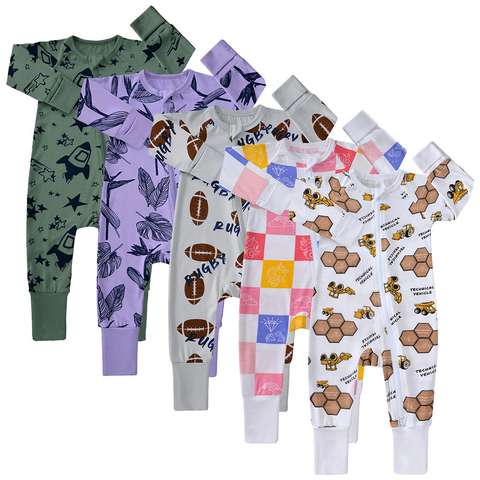
Understanding Viscose Bamboo and Spandex Fabrics: A Technical Guide to Family Christmas Pajamas
The holiday season inevitably brings a surge in demand for cozy, matching family Christmas pajamas. Manufacturers and textile engineers are constantly innovating to meet these demands, ensuring superior comfort, durability, and design. This article dives deep into the properties and engineering considerations of viscose bamboo and spandex blends, along with insights into fabric density (GSM) and the role of industrial machinery in manufacturing these essential seasonal items.

The Role of Viscose Bamboo in Pajama Manufacturing
Viscose bamboo is rapidly gaining recognition as an ideal textile material for various applications, including family Christmas pajamas. Derived from natural bamboo pulp, viscose bamboo undergoes chemical treatment to create a semi-synthetic fiber. The result is a silky, breathable, and eco-friendly fabric perfect for soft, festive pajamas.
Moisture Regulation and Comfort
One of the standout features of viscose bamboo is its excellent moisture-wicking properties. This quality ensures that wearers remain comfortable, even during fluctuating indoor temperatures over the holiday season. Additionally, the fabric is hypoallergenic and gentle against the skin, making it suitable for families with sensitive skin or young children.
Durability and Drape
Viscose bamboo offers superior drape and softness, essential for creating aesthetically pleasing family pajamas. The fibers resist pilling, maintaining a polished look even after multiple washes. Additionally, when combined with spandex, viscose bamboo gains an added layer of stretchability and strength, making it ideal for dynamic wear during active family celebrations.
Spandex: Enhancing Flexibility and Durability
Spandex, or elastane, is a highly elastic synthetic fiber used to improve flexibility and fit. Its ability to stretch up to 500% of its original length makes it an essential component in family Christmas pajamas where comfort is a priority.
Stretch Properties
The incorporation of spandex into viscose bamboo fabric ensures that pajamas retain their shape even after prolonged use. This resilience is vital in garments that experience frequent movement, such as during family activities or holiday photo sessions.
Improved Fit
Spandex also contributes to a form-fitting yet relaxed feel, ensuring that pajamas cater to the broad spectrum of body shapes and sizes within a family set. This feature enhances wearer satisfaction and addresses inclusivity concerns in production.
Fabric Density (GSM): Key to Engineering the Perfect Pajama
Fabric density, often measured in grams per square meter (GSM), plays a critical role in determining the comfort, warmth, and durability of Christmas pajamas. For viscose bamboo and spandex blends, the target GSM must strike a balance between lightweight comfort and adequate thermal insulation.
Lightweight vs. Heavyweight Fabrics
A GSM range of 180–220 is ideal for Christmas pajamas, providing sufficient warmth without compromising the breathable qualities of viscose bamboo. Fabrics with GSM values below 180 may feel too thin, whereas heavier fabrics above 220 GSM can restrict the wearer's movement, especially when spandex is included.
Impact on Cost and Production
The GSM of a fabric affects its production cost and machinery requirements. Heavier GSM fabrics require more yarn and specialized machinery to handle their thickness, while lightweight fabrics may demand more precision during automated cutting and stitching processes to prevent damage.
Consistency in GSM
Achieving consistent fabric density is vital for the end product's uniformity, particularly in multi-size family pajama sets. Advanced machinery equipped with automated fabric inspection systems ensures minimal GSM variation, resulting in high-quality final products.
The Role of Industrial Machinery in Production
Producing viscose bamboo and spandex family Christmas pajamas involves various industrial textile machines. Efficiency, precision, and consistency are pivotal factors in mass manufacturing, especially during high-demand seasons.
Knitting Machines
Most viscose bamboo and spandex blends are manufactured using circular knitting machines. These machines create stretchable yet sturdy fabric by interlocking the fibers in a way that enhances flexibility and durability. Precision in tension adjustment during knitting is crucial to maintain consistent stretch properties.
Dyeing Machinery
Adding the seasonal colors and patterns commonly seen in Christmas pajamas, such as festive reds, greens, and snowflake motifs, requires advanced dyeing technology. Jet dyeing machines are particularly effective for viscose bamboo fabrics, ensuring deep, even coloring without damaging the fibers.
Cutting and Sewing Automation
Given the high order volumes during the holiday season, automated cutting equipment enables manufacturers to accurately slice fabric in large batches with minimal waste. Subsequently, sewing robots fitted with precision stitching capabilities ensure that each pajama item meets quality standards without excessive labor costs.
| Fabric Type | Organic Bamboo |
| Compliance | ASTM F963 |
| Customization | Private Label |
| Lead Time | 24 Days |
Quality Control Systems
State-of-the-art quality control systems are indispensable in modern manufacturing facilities. These systems use machine vision and sensors to detect defects, flag GSM inconsistencies, and ensure the uniform application of spandex. Quality control is particularly vital in family pajama production, where mismatched sizes or irregularities in fit can lead to consumer dissatisfaction.
Eco-Friendly and Sustainable Considerations
As sustainability becomes an increasingly important consideration in textile manufacturing, producers are seeking eco-friendly processes and materials. Viscose bamboo, as a resource-efficient fabric, already supports sustainable practices. However, manufacturers can adopt further measures to minimize their environmental impact.
Closed-Loop Production
During the production of viscose bamboo, closed-loop manufacturing systems can capture and recycle the solvents used in the fiber-extraction process. This reduces chemical waste and makes the process more sustainable and eco-conscious.
Energy-Efficient Machinery
Energy-efficient knitting, dyeing, and finishing machines not only reduce production costs but also align with global efforts to reduce energy consumption in industrial operations.
Recyclable Packaging
Beyond fabric production, manufacturers are also investing in biodegradable and recyclable packaging materials to minimize waste during distribution. This ensures that the environmental impact of family Christmas pajamas extends beyond just production to the end-user experience.
: Engineering the Perfect Family Christmas Pajamas
Designing and manufacturing viscose bamboo and spandex family Christmas pajamas is a complex process that involves material properties, fabric density, and advanced industrial machinery. By focusing on the unique characteristics of viscose bamboo for comfort and spandex for flexibility, manufacturers can create high-quality products that stand out in the market.
Attention to fabric density (GSM) and leveraging state-of-the-art machinery ensures the efficient production of consistent and durable products. , sustainable practices enhance the appeal of these items, catering to environmentally conscious consumers while addressing the growing demand for eco-friendly garments. As the holiday season approaches, investing in these technical and sustainable advancements will give textile manufacturers a competitive edge in the family Christmas pajama market.