Oem Viscos Bamboo Family Christmas Pajamas Stitch Cpc Certified Manufacturer
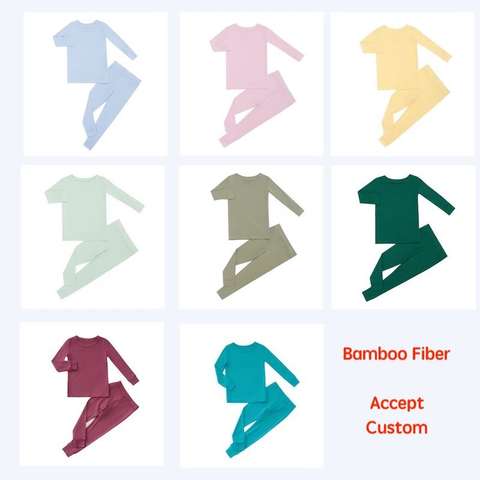
The Rise of Viscose Bamboo Fabric in Family Christmas Pajamas
As sustainability and comfort take center stage in the textile industry, viscose bamboo fabric has emerged as a top contender for clothing production. When it comes to family Christmas pajamas—a seasonal favorite readied by businesses to meet consumer demand—viscose bamboo offers a unique set of advantages. Its softness, eco-conscious profile, and durability position it as an increasingly popular choice in both B2C and B2B marketplaces.
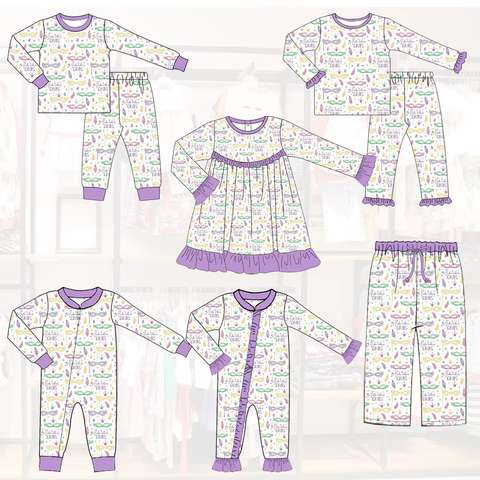
This article examines the technical aspects of viscose bamboo family Christmas pajamas, zooming in on three critical factors: fabric density, GSM (grams per square meter), and the industrial machinery used in their production. These are not just buzzwords but essential considerations for wholesale buyers, manufacturers, and industrial engineers aiming to excel in the textile production sector.
Understanding Viscose Bamboo Fabric and Its Unique Properties
Bamboo viscose is derived from the pulp of the bamboo plant, subjected to a chemical process to extract cellulose fibers. These fibers boast numerous qualities, including breathability, moisture-wicking properties, and hypoallergenic benefits. Industries prefer it for functional and appealing garments. When applied to family Christmas pajamas, the softness of bamboo viscose is especially valued, helping to create cozy, luxurious sleepwear for people of all ages.
Another critical factor is its environmental footprint. Bamboo is a fast-growing, renewable resource that requires minimal water compared to traditional cotton plants. This eco-friendliness underscores why many manufacturers are pivoting toward bamboo-based textiles, aligning with modern sustainability goals.
Exploring GSM and Fabric Density
GSM: Defining Textile Weight
Grams per square meter (GSM) is a foundational metric in the textile industry that quantifies the weight of fabric. For family Christmas pajamas, GSM plays a significant role in determining key attributes like thickness, breathability, and cost. Optimal GSM values depend on the target audience and market climate. A lightweight GSM range (~180–200 GSM) might cater to warm indoor environments, while moderate GSM values (~250) are better suited for colder climates.
For viscose bamboo pajamas, a GSM value between 170–250 is considered ideal. This ensures the fabric remains lightweight and breathable without compromising warmth or softness. These properties are particularly desirable for family Christmas pajamas that prioritize comfort and festive wearability.
Fabric Density: Durability and Seam Integrity
Another technical consideration is fabric density, which represents the thread count and weave pattern of the material. A tight weave provides long-term durability and structure, while lower density affects tensile strength and leads to quicker wear and tear. For high-quality viscose bamboo pajamas, a fine balance between density and softness must be achieved through expert engineering.
The role of density extends into the sewing process, particularly for Christmas designs involving intricate stitching, embroidery, or appliqué. Pajamas with higher fabric density enable better hold for decorative elements, adding to their appeal in the competitive holiday market.
Industrial Machinery in Viscose Bamboo Pajama Production
Knitting and Weaving Machines
Modern knitting and weaving machines are central to the production of viscose bamboo fabric. Circular knitting machines, often used for stretchable and soft fabrics like those found in pajamas, employ advanced computer controls to create dense and precise outputs. Double-knit construction is often applied for thicker, textured pajamas that deliver added insulation.
For intricate weave patterns, air-jet looms also find application in bamboo viscose fabric production. These looms reduce energy consumption while achieving higher precision and output, thereby creating an optimal balance between cost-efficiency and quality.
Specialized Stitching Equipment
Family Christmas pajamas often feature thematic designs with high stitch ratios for both aesthetic appeal and structural durability. Overlock machines or sergers, known for their ability to trim fabric edges while locking seams, are key to handling viscose bamboo fabric. These machines prevent fraying, a common challenge for thinner fabric types.
Flatlock stitching equipment is used for creating seamless designs, particularly in sleepwear. Flatlock seams enhance comfort by reducing bulk, which eliminates discomfort from exposed stitching. This is especially important in pajamas, keeping with the festive season’s emphasis on comfort and style.
Digital Printing and Embroidery Technology
Many family Christmas pajamas feature vibrant designs that incorporate holiday motifs, from reindeer patterns to Christmas trees. Digital fabric printing machines are a popular choice for applying intricate designs to viscose bamboo pajamas. These machines use precision-controlled nozzles to evenly deposit dye or pigment dyes directly onto fabric, offering high output with maximum sharpness.
Similarly, embroidery machines integrated with Computer Numerical Control (CNC) technology are used for adding decorative embellishments. These machines allow for detailed embroidery with high repetition accuracy, crucial for meeting large-scale orders in the B2B sector.
Balancing Quality and Scalability in Production
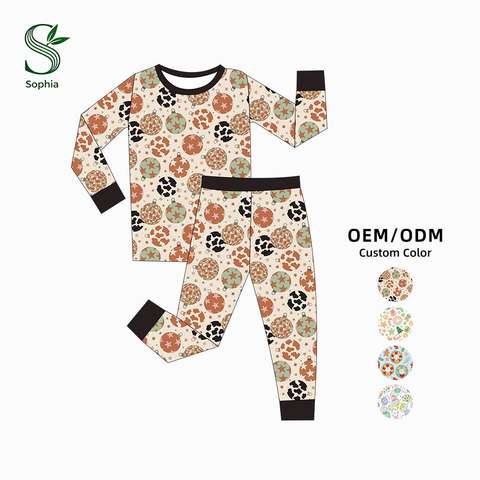
The production of viscose bamboo family Christmas pajamas requires careful consideration of quality and scalability. Businesses supplying large orders must ensure that every pajama adheres to stringent technical standards while meeting delivery timelines. Industrial automation plays a vital role in achieving this balance, with advancements in machinery ensuring lower production errors and reduced waste.
Lean manufacturing principles can also facilitate scalability. For instance, processes like just-in-time (JIT) inventory management and predictive maintenance are increasingly integrated into textile production facilities. These strategies increase production efficiency and reduce downtime, enabling manufacturers to fulfill wholesale orders for high-demand seasons like Christmas.
| Fabric Type | Pima Cotton |
| Compliance | GOTS Organic |
| Customization | ODM |
| Lead Time | 32 Days |
: Choosing Bamboo Viscose for Festive Wear
Viscose bamboo family Christmas pajamas offer a winning combination of style, comfort, and sustainability. For B2B operators, understanding the complexities of fabric density, GSM, and industrial machinery is crucial for delivering premium-quality products. Innovations in textile machinery continue to facilitate the seamless production of these garments, ensuring that businesses can meet customer expectations during the festive season.
Whether you are a textile engineer, machinery supplier, or bulk manufacturer, focusing on the technical aspects of viscose bamboo is key to creating competitive advantages in the market. By leveraging tailored machinery and optimal material specifications, businesses can produce family Christmas pajamas that resonate with comfort-conscious and sustainability-minded consumers alike. As demand grows for environmentally friendly yet high-performance fabrics, bamboo viscose stands at the forefront of holiday wear solutions.