Private Label Bamboo Adults Pajamas Oekotex 100 Supplier
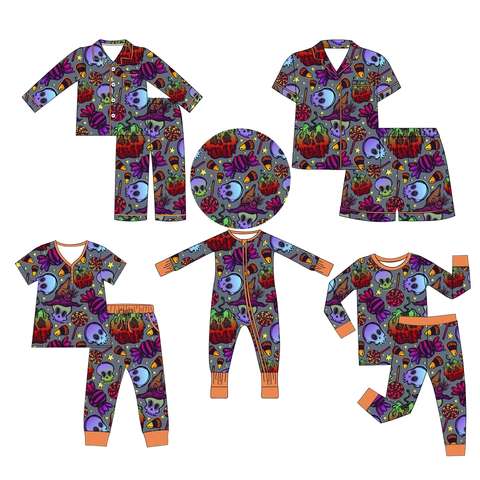
The Fabric Science Behind Bamboo Adult Pajamas
In the textile industry, bamboo stands out as an innovative and sustainable option for fabric production. For adult pajamas, manufacturers are increasingly turning to bamboo due to its softness, breathability, and eco-friendly properties. Behind the comfort of bamboo pajamas lies a critical combination of fabric density, GSM (grams per square meter), and the industrial machinery that transforms bamboo fibers into wearable textiles. Understanding these components is vital for manufacturers aiming to deliver premium-quality products in the B2B space while maintaining production efficiency and meeting customer expectations.
What Is GSM, and Why Does It Matter for Pajamas?
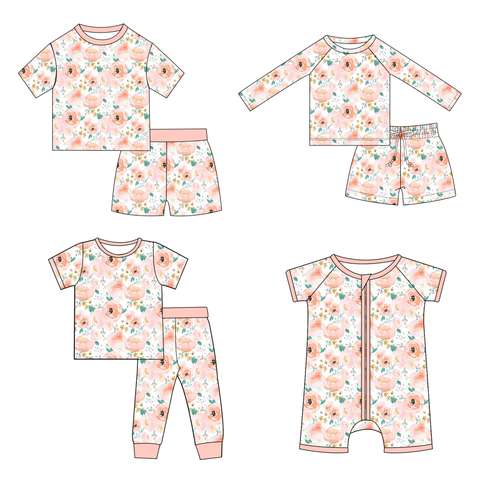
GSM, or grams per square meter, is a key measurement in the textile industry that defines the weight and density of a fabric. For bamboo adult pajamas, choosing the right GSM is essential to ensure the perfect balance between comfort, durability, and functionality.
Lightweight fabrics with lower GSM values, typically between 120-150 GSM, are often used for summer pajamas due to their ability to provide breathability and a cooling sensation. Conversely, higher GSM values, from 200-300 GSM, are preferred for winter pajamas, as they add thickness and insulation for warmth. Manufacturers targeting different market segments must determine the optimal GSM that aligns with customer needs and seasonal demand.
The unique qualities of bamboo fibers make it an excellent candidate for moderate GSM ranges (150-180 GSM) to deliver pajamas that are luxuriously soft, moisture-wicking, and durable enough for regular wear. The inherent structure of bamboo fibers enhances airflow and moisture absorption, making them ideal for both warm and cooler climates.
The Role of Fabric Density in Bamboo Pajama Production
While GSM measures fabric weight, fabric density refers to the number of threads or yarns in a specific area of the fabric, which directly impacts its texture, stretch, and durability. For bamboo pajamas, an optimal fabric density ensures a soft and smooth finish without sacrificing performance characteristics.
Fabric density also influences a garment's drape and tactile qualities, which are crucial for loungewear. Pajamas constructed using bamboo fabric often feature a density tailored to achieve a balance of structured yet fluid movements. Manufacturers can manipulate density by using advanced weaving or knitting techniques, often enabled by state-of-the-art industrial machinery.
Additionally, fabric density affects durability, an important metric in the B2B supply chain. Retailers and wholesalers demand products that withstand repeated washing and retain their structural integrity. By fine-tuning density in line with fabric weight (GSM), manufacturers can ensure optimal comfort, durability, and longevity.
Industrial Machinery in Bamboo Pajama Production
The production of bamboo fabric for adult pajamas relies on precision-driven industrial machinery to meet the technical standards required for modern textile applications. From fiber extraction to fabric finishing, automation and innovation come together to ensure efficiency and quality.
Bamboo Fiber Extraction and Processing
The process begins with breaking down bamboo into cellulose pulp. Two primary methods are used: mechanical and chemical processing. Mechanical processes rely on crushing the bamboo plant, breaking it down with natural enzymes, and creating a viscous slurry that can be spun into threads. Chemical processing, on the other hand, involves dissolving bamboo cellulose in a solution to produce rayon-like fibers.
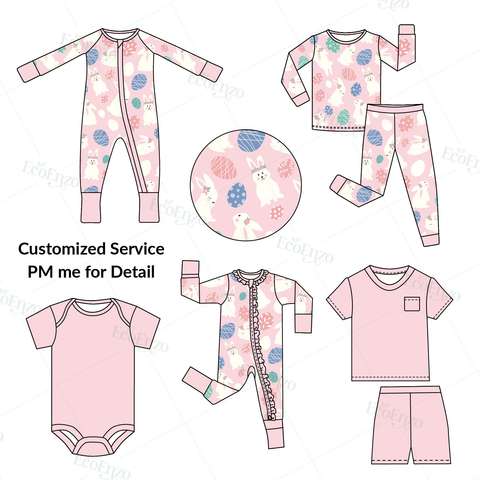
Both methods demand high-precision machinery capable of maintaining consistency in fiber length and quality. Key players in the field use state-of-the-art fiber extraction equipment to meet industrial-scale production needs while adhering to environmental standards. Innovations in enzymatic processing machinery are paving the way for greener production practices, which are critical for eco-conscious brand differentiation in B2B markets.
Weaving and Knitting Technology
Once the bamboo threads are spun, they proceed to weaving or knitting stages. For adult pajamas, knitting tends to dominate, as it provides the elastic, stretchable properties that enhance comfort. Circular knitting machines, equipped with feeders that handle fine bamboo yarns, allow for the production of high-density fabrics while minimizing defects.
Advanced knitting technology aids in creating various types of knit fabrics such as jersey or interlock, which are highly suitable for pajamas due to their softness and smooth texture. Industrial knitting machines are programmable, enabling manufacturers to adapt quickly to the diverse requirements of clients regarding thickness, density, and texture.
Finishing and Quality Control
The finishing phase transforms raw bamboo fabric into a consumer-ready product. Processes such as dyeing, softening, and anti-pilling treatments all affect the tactile and aesthetic qualities of adult pajamas. Machinery specialized for bamboo fabric treatments is essential, particularly those that use water-efficient dyeing processes and eco-friendly chemical coatings.
Automated inspection systems integrated into industrial machinery ensure quality consistency in areas such as fabric width, GSM, and evenness. For B2B buyers, these are non-negotiable traits. Deploying intelligent finishing machinery with real-time monitoring capabilities significantly reduces production errors, thereby enhancing customer confidence.
Key Challenges and Solutions in Bamboo Fabrication
Like any specialized textile, bamboo fabric production comes with its own set of technical challenges. Understanding these hurdles and leveraging appropriate solutions provides manufacturers with a competitive advantage in the B2B landscape.
Challenge: Fiber Fragility and Breakage
Bamboo fibers are inherently softer and more delicate than synthetic alternatives, making them prone to breakage during spinning and knitting. This fragility can compromise fabric quality and increase production costs due to waste.
Solution: Employ advanced wet-spinning technology to strengthen fibers during their formative stages. Innovative machinery designed for spinning delicate fibers ensures consistent tension and minimizes breakages. Additionally, pre-treatment with softening agents before spinning can improve fiber durability.
Challenge: Dye Absorption and Colorfastness
Bamboo fabric is highly absorbent, which can create inconsistencies during the dyeing process. Uneven dye uptake results in blotchy colors and inconsistent finishes, which is a major issue for B2B clients prioritizing aesthetic uniformity.
Solution: Use modern dyeing equipment with precision controls and pre-treat fabrics with mordants that enhance colorfastness. Innovations in closed-loop dyeing processes also help achieve consistent colors while conserving resources.
Challenge: Sustainability Concerns
While bamboo is inherently eco-friendly, some chemical processes involved in turning it into fabric can have a negative environmental impact. This can create concerns, particularly among buyers aiming to market sustainable products.
| Fabric Type | Organic Bamboo |
| Compliance | OEKO-TEX 100 |
| Customization | Private Label |
| Lead Time | 31 Days |
Solution: Invest in closed-loop production systems that recycle and reuse chemicals. Mechanochemical processing techniques and low-impact dyes further reduce environmental footprints. By obtaining eco-certifications such as OEKO-TEX or GOTS, manufacturers can reassure B2B clients of their sustainability credentials.
: The Future of Bamboo Adult Pajamas
The demand for bamboo adult pajamas is on the rise due to increased consumer awareness around sustainability, comfort, and performance. For B2B businesses looking to tap into this growing market, mastering the interplay of GSM, fabric density, and industrial machinery is critical. Cutting-edge technology, coupled with a deep understanding of material science, enables manufacturers to deliver high-quality bamboo pajamas that meet both technical standards and consumer expectations.
As advancements in industrial machinery and sustainable processing continue, the bamboo textile sector is poised for further growth. Companies that prioritize innovation, quality, and environmental stewardship will lead in catering to the expanding market for soft, breathable, and eco-friendly loungewear options.