Private Label Bamboo And Cotton Pajamas Oem Factory
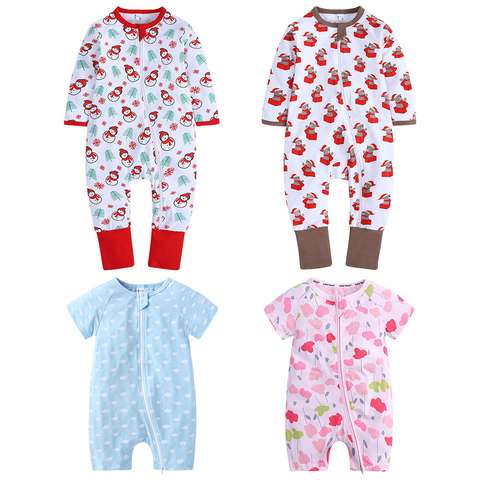
Optimizing Bamboo and Cotton Pajamas through GSM, Fabric Density, and Modern Industrial Machinery
In today's competitive textile industry, creating premium bamboo and cotton pajamas demands a fine-tuned approach that balances comfort, durability, and sustainability. Factors such as fabric GSM (grams per square meter), density, and the utilization of advanced industrial machinery play pivotal roles in the production pipeline. This article delves into how these technical parameters come together to elevate bamboo and cotton pajamas to a new standard of quality in the B2B textile market.

The Role of GSM in Fabric Performance
GSM, or grams per square meter, is a critical technical parameter that defines the weight and thickness of a fabric. A higher GSM signifies denser and potentially more durable material, while a lower GSM is often associated with lighter and more breathable textiles. For bamboo and cotton pajamas, optimizing GSM is about achieving the perfect balance between comfort and longevity.
Bamboo fibers are noted for their softness, flexibility, and moisture-wicking properties. Cotton, on the other hand, offers durability and breathability. A thoughtfully engineered bamboo-cotton blend leverages the best of both materials, and GSM becomes the yardstick to control their combined performance. Typically, premium bamboo and cotton pajamas lie within the GSM range of 150-250, depending on the intended market—lower for summer collections and higher for winter-oriented designs.
Industrial textile companies now have tools such as GSM testers to ensure consistency in production. These testers measure fabric weight by cutting, weighing, and calculating results with precision down to the gram. This detailed oversight ensures that clients in the B2B space consistently receive products meeting their exact specifications.
Fabric Density: The Hidden Key to Comfort and Durability
While GSM directly measures fabric weight, fabric density considers the weave and spacing of yarns within the textile structure. It is a fundamental factor in determining how fabric behaves under stress and how well it retains its appearance and texture over time.
Bamboo and cotton fibers exhibit distinct structural behaviors during manufacturing. Bamboo fibers are elongated and strong but can be slippery due to their smooth surfaces. Cotton, with its natural elasticity, complements bamboo by adding tensile integrity. Industrial knitting or weaving machines must adjust parameters like tension, yarn length, and stitch style to ensure a uniform fabric density that maximizes both comfort and durability.
It's also important to note that achieving the perfect density goes beyond just machine settings; it ties into the mechanical treatment of yarns prior to and during fabrication. Pre-treatment techniques such as enzyme washes for bamboo fibers or mercerization for cotton ensure fibers are primed for tight, consistent, and even weaves.
Industrial Machinery: Streamlining Bamboo and Cotton Pajama Production
The commercial scalability of bamboo and cotton pajamas relies heavily on advancements in industrial machinery. From spinning and knitting to dyeing and finishing, machinery innovations have played an instrumental role in enhancing quality and operational efficiency.
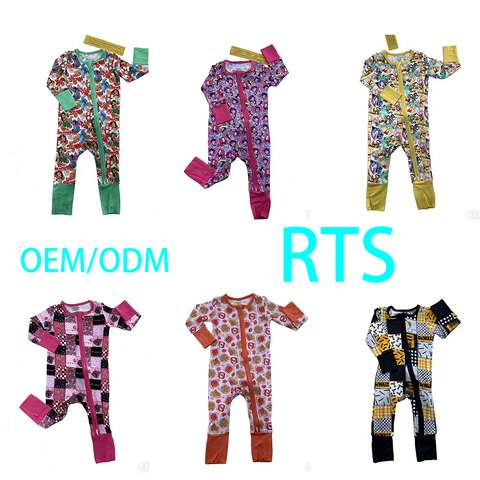
Yarn-Spinning Technology
Blending bamboo and cotton at the yarn stage ensures better integration of their fibers. Open-end spinning and ring spinning are the two processes most commonly used. Ring spinning, although slower, produces fine and strong yarns that are ideal for apparel, particularly nightwear. In contrast, open-end spinning is faster and more economical, making it suitable for high-volume production runs targeting lower-price markets.
Specialized spinning machines for bamboo fiber are now designed with advanced lubrication and temperature control, essential for handling the delicate nature of bamboo threads. Without these technologies, manufacturers risk fiber breakage or uneven yarns, leading to a noticeable decline in fabric quality.
Knitting and Weaving Machines
Industrial knitting machines equipped with circular systems are predominantly used for pajamas, as their high-speed capabilities produce flexible, soft, and seamless fabrics suitable for intimate apparel. Their ability to handle blended yarns without disrupting fabric uniformity is particularly advantageous when dealing with bamboo-cotton blends.
Weaving, though less common for pajamas, can also be employed for specific customer requirements. Air jet looms and rapier looms are common choices for weaving such blends as they ensure fine control over yarn tension and an even distribution of threads. The tighter the weave, the higher the durability—key for meeting industry benchmarks.
Dyeing and Finishing Machinery
Once the fabric is constructed, industrial dyeing and finishing play vital roles in the aesthetic and functional enhancements of the final product. Dyeing bamboo-cotton blends poses unique challenges, as bamboo fibers absorb dye faster than cotton. Continuous dyeing ranges (CDR) and jet-dyeing machines are commonly utilized in this phase. These systems not only ensure consistent coloration across batches but also minimize water consumption, addressing sustainability concerns.
Finally, finishing machinery applies treatments like anti-pilling, softening, or even UV-blocking coats to the fabric. Calendaring processes, which apply heat and pressure through rollers, enhance the fabric's smoothness, giving bamboo and cotton pajamas their characteristic soft feel and luxurious sheen.
Why Bamboo and Cotton Pajamas Are Leading the B2B Market
Bamboo and cotton blended pajamas are gaining traction in the B2B textile market due to their unique combination of comfort, sustainability, and versatility. Here’s why they are a preferred choice for businesses:
Eco-Friendly Appeal
Bamboo is a highly sustainable resource, requiring less water than other fibers and growing rapidly without the need for pesticides. Combining it with organic or responsibly sourced cotton fits perfectly within the rising demand for environmentally conscious fabrics in the business-to-business market.

Versatility for Multiple Applications
The adaptability of bamboo-cotton blends in pajamas means manufacturers can tailor products to suit diverse markets. From breathable lightweight options favored in tropical regions to thicker, warmer versions for colder climates, customization opportunities abound.
Enhanced Comfort and Functionality
The natural moisture-wicking, anti-bacterial, and hypoallergenic properties of bamboo fibers, when combined with breathable cotton, make these pajamas suitable for premium, health-conscious consumers.
Looking Ahead: The Future of Bamboo and Cotton Pajamas
Continuous improvements in industrial textile machinery and innovations in fiber-blending technology suggest an optimistic future for bamboo and cotton pajamas. As fabric scientists explore nanotechnology and smart textiles, the potential to engineer intelligent pajamas that regulate temperature or monitor sleep patterns may soon become commercially viable.
B2B suppliers who invest early in advanced infrastructure tailored for bamboo and cotton production are likely to carve out significant competitive advantages. Automation-enhanced quality control, coupled with a shift towards even more eco-friendly production practices, will shape the next era of luxury sleepwear.
| Fabric Type | Pima Cotton |
| Compliance | CPSIA Compliant |
| Customization | ODM |
| Lead Time | 39 Days |
By understanding the interplay of GSM, fabric density, and industrial processes, businesses sourcing bamboo and cotton pajamas can ensure they meet consumer demands for comfort, sustainability, and durability, thus positioning themselves as leaders in the textile industry.