Private Label Bamboo Pajamas Kids Custom Supplier

Revolutionizing Children's Sleepwear: The Technical Edge of Bamboo Pajamas
When choosing sleepwear for children, parents consistently prioritize comfort, durability, and hypoallergenic properties. Bamboo pajamas have emerged as a frontrunner in the textile industry, offering a sustainable, soft, and high-performing product that meets the demands of both consumers and manufacturers. In this detailed exploration, we analyze bamboo fabric's GSM, fabric density, and the industrial machinery involved in producing high-quality bamboo pajamas for kids.
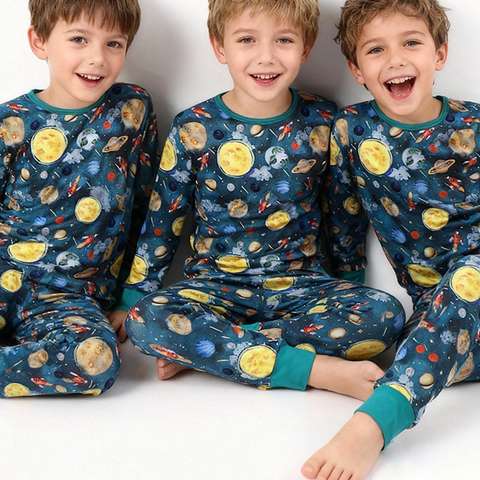
Understanding GSM and Fabric Density in Bamboo Textiles
Grams per square meter (GSM) is a critical metric in the textile industry, as it directly influences the durability, texture, and quality of the fabric. GSM refers to the weight of fabric per square meter and is used to classify textiles into lightweight, medium-weight, and heavyweight categories. When it comes to bamboo pajamas for kids, striking the right GSM balance is paramount to ensuring comfort without compromising on wear resistance.
The Ideal GSM for Bamboo Pajamas
Bamboo fabric used for children's sleepwear typically ranges from 180 to 220 GSM. This GSM range ensures that the material is lightweight while maintaining structural integrity sufficient for repeated use and washes. A 200 GSM bamboo fabric strikes the right balance between breathability and warmth, making it suitable for year-round wear.
Fabric Density and its Role in Comfort
Fabric density, which refers to the number of threads per unit area, complements GSM in determining the feel and durability of a textile. High fabric density in bamboo pajamas ensures a smoother, softer finish that is gentle on sensitive skin—a crucial consideration for kids’ apparel. Additionally, higher density facilitates resilience to tearing, a key feature parents look for in children's clothing.
Bamboo textiles achieve high density through advanced spinning and weaving techniques that ensure evenly distributed fibers with minimal gaps. These characteristics contribute to both the luxurious feel and the longevity of bamboo sleepwear.
Industrial Machinery in Bamboo Pajama Production
Manufacturing bamboo pajama fabric is a sophisticated process that involves state-of-the-art machinery, each serving a unique role in transforming raw bamboo into a comfortable textile ready for wear. Below, we examine the key stages of production and the machinery involved.
Initial Processing: Bamboo Pulp Extraction
The journey begins with harvesting bamboo plants. Once collected, the raw bamboo is broken down into bamboo pulp through mechanical and chemical processes. Industrial steamers and digesters are often used during this process to treat the bamboo stalks with water and non-toxic solvents, extracting cellulose, the primary building block for bamboo textiles.
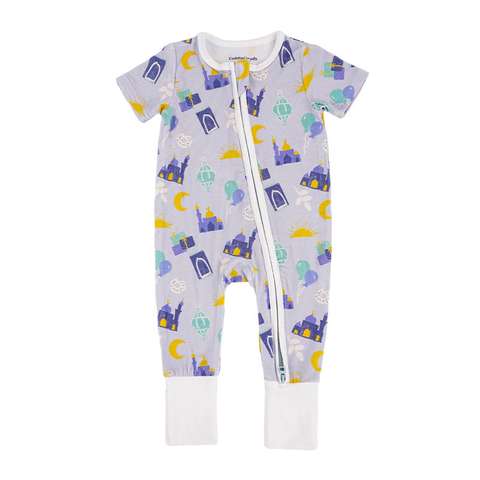
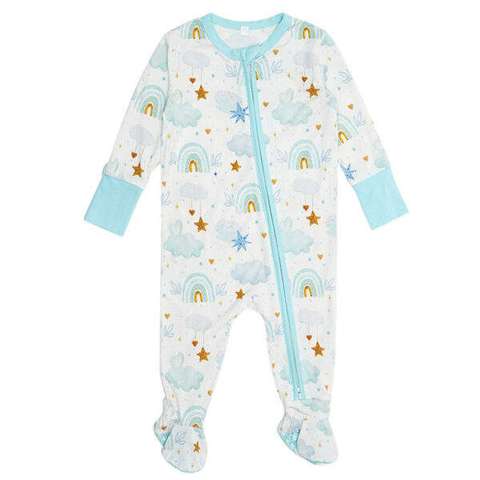
Fiber Creation: Spinning and Refining
Once the cellulose is processed, it is transformed into fibers using extrusion machinery. Extruders stretch the pulp into fine strands, while advanced spinning machinery spins these into yarn. High-speed air jet spinning systems are preferred for creating bamboo fibers, as they ensure uniformity and exceptional tensile strength.
Additionally, computerized spinning machines with intelligent control systems allow manufacturers to adjust yarn thickness and tension, enabling customization of GSM and fiber density for specific product requirements. This flexibility is crucial for producing pajamas tailored for children's skin sensitivity and comfort needs.
Weaving and Knitting: Building the Fabric
The creation of the fabric itself involves weaving and knitting machinery. Circular knitting machines, widely used in garment production, excel at producing bamboo fabric with both stretchiness and stability—characteristics demanded in children's sleepwear. Warp knitting machines, known for their high-speed and precision stitching, are often employed to enhance durability and achieve finer finishes.
Weaving machines, such as shuttle-less looms, play a role in producing non-stretch bamboo fabrics used for certain pajama designs. These looms excel in producing tightly woven bamboo textiles, meeting the high-density requirements mentioned earlier.
| Fabric Type | Organic Bamboo |
| Compliance | GOTS Organic |
| Customization | Custom |
| Lead Time | 19 Days |
A Sustainable and Functional Fabric: Why Bamboo Wins
The technical specifications of bamboo fabric, from its high GSM to precise density, are essential in crafting pajamas that excel in comfort and performance. Beyond these metrics, bamboo has additional advantages, including its natural antimicrobial and moisture-wicking properties. These factors contribute to its growing popularity in the children’s sleepwear market.
Antimicrobial and Hypoallergenic Benefits
Bamboo fibers contain natural antibacterial agents like kun, which inhibit bacterial growth and promote hygiene. This characteristic makes bamboo pajamas particularly appealing for children with skin sensitivities or allergies. The hypoallergenic nature of bamboo clothes further ensures that they are safe and gentle for kids’ delicate skin.
Temperature Regulation and Moisture Wicking
Bamboo fabric is known for its excellent thermo-regulating properties. The structure of bamboo fibers allows moisture absorption and evaporation, keeping children cool in summer and warm in winter. This versatility makes bamboo pajamas a preferred choice for regions with fluctuating climates, demonstrating how fabric innovation can meet practical consumer demands.
Sustainability Across the Production Chain
Bamboo is one of the most sustainable textile materials available today. As a fast-growing plant requiring minimal water and pesticides, its cultivation has a lower environmental impact compared to other fibers like cotton. Many manufacturers are adopting eco-friendly practices throughout the bamboo textile production process, such as using closed-loop systems to recycle water and solvents in the fiber extraction phase.
: The Engineering Edge in Bamboo Pajama Production
From the selection of GSM to the fine-tuning of fabric density and the deployment of cutting-edge industrial machinery, the production of bamboo pajamas for kids showcases the seamless integration of textile engineering and sustainability. The result is a high-performance product designed to meet both technical and consumer demands.
As the demand for sustainable and functional children’s sleepwear skyrockets, bamboo fabric’s unique properties secure its place at the forefront of the industry. By leveraging advancements in machinery and prioritizing eco-conscious practices, manufacturers can continue delivering exceptional quality in bamboo pajamas, redefining comfort and care for the youngest demographic.