Private Label Bamboo Silk Pajama Bespoke Wholesale

The Technical Beauty of Bamboo Silk Pajama Manufacturing
Bamboo silk has rapidly gained attention in the textile industry for its luxurious feel, sustainability, and market demand for eco-friendly apparel. As businesses increasingly target conscious consumers, bamboo silk pajamas have become a lucrative product line for manufacturers in the B2B sector. However, understanding the technical nuances—such as GSM (grams per square meter), fabric density, and the role of industrial machinery—is crucial for producing high-quality yet scalable garments.

This article takes a deep dive into the intricate factors that influence the production of bamboo silk pajamas. From determining fabric specifications to evaluating industrial machinery for scalability, we'll cover the essentials for efficient manufacturing.
Understanding Bamboo Silk: The Material Foundation
Bamboo silk is a semi-artificial fabric derived from raw bamboo. The primary process involves chemically regenerating the bamboo fibers to produce a silk-like textile. While the result mimics natural silk in texture and sheen, bamboo silk often surpasses traditional silk due to its affordability, eco-friendliness, and antibacterial properties.
In manufacturing, understanding the basics of bamboo silk is critical. It is often blended with other materials such as cotton or polyester to enhance strength, breathability, or affordability. As a result, fabric composition plays a key role in determining technical specifications like GSM and fabric density.
The Importance of GSM in Bamboo Silk Fabric
GSM, or grams per square meter, measures the weight of a fabric over a 1x1 meter area. It is integral to determining the quality, durability, and draping characteristics of bamboo silk used in pajamas. Lightweight fabrics typically range from 80-140 GSM, while midweight fabrics fall between 150-200 GSM. For bamboo silk pajamas, a GSM between 120-160 is considered optimal, balancing softness, durability, and breathability.
Manufacturers must carefully calibrate GSM during the production process. A lower GSM can lead to a sheer, delicate appearance suitable for light sleepwear, but it might compromise durability. On the other hand, a higher GSM may lead to a denser, more robust fabric that could feel less breathable. Finding the sweet spot depends on the target market and specific consumer demands.
Modern industrial machinery now offers adjustable weaving and knitting options that allow precise GSM control. Roller pressure, tension settings, and weaving patterns all contribute to standardizing the fabric weight. These processes ensure that fabric rolls meet targeted GSM ranges with minimal variation, critical for consistent mass production.
Fabric Density and Its Role in Bamboo Silk Pajamas
Fabric density refers to the number of threads or yarns packed into a given area, typically measured in threads per inch (TPI). This factor significantly impacts the texture, strength, and breathability of bamboo silk. Generally, higher density fabrics offer better durability and softness but may trade off breathability, making it essential to achieve a balance for bamboo silk pajamas.
For example, a TPI of 200-300 is considered standard for high-quality bamboo silk pajamas. While this level of density enhances the luxurious feel of the fabric, manufacturers must also consider the impact on production costs and machinery requirements. Achieving this fine balance often necessitates advanced machinery equipped with automated tension control and precision weaving technology.
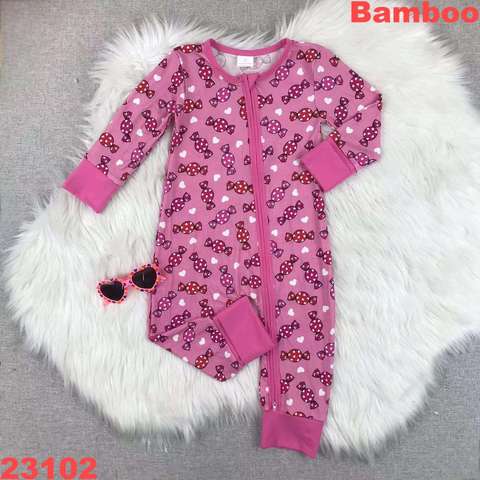
Another essential aspect of fabric density is the influence of blending. When manufacturers blend bamboo silk with complementary fibers, they must ensure consistency in density across the blends. Discrepancies could lead to an uneven finish, ultimately impacting the end-user experience and brand reputation. Pre-production quality checks, such as digital fabric inspection, are vital in mitigating these risks.
Key Industrial Machinery for Bamboo Silk Pajama Production
The production of high-quality bamboo silk pajamas requires a range of industrial machinery capable of handling the delicate yet demanding nature of the fabric. Each step of the process—from spinning and weaving to dyeing and cutting—relies on precision engineering and advanced automation.
Spinning Machines for Bamboo Silk Fibers
The spinning stage transforms bamboo fibers into yarn, a critical foundation for achieving the desired GSM and density. Industrial spinning machines with advanced controls ensure that fibers are evenly twisted and stretched to maintain consistent yarn thickness. Some machines also feature real-time quality monitoring, detecting inconsistencies in yarn diameter and automatically making adjustments to meet specifications.
Weaving and Knitting Machinery for Fabric Formation
The transition from yarn to fabric involves either weaving or knitting, depending on the desired finish of the bamboo silk. High-speed shuttleless looms or air jet weaving machines are often preferred for creating smooth, tightly woven fabrics with minimal defects. These machines are equipped with programmable settings to adjust tension and density, ensuring uniformity across fabric batches.
In contrast, for stretchable or more textured pajama designs, circular knitting machines offer better flexibility. Equipped with computer-controlled needles, these machines handle bamboo silk and blended yarns efficiently, catering to complex patterns and designs without compromising production speed.
Dyeing and Finishing Equipment
Bamboo silk’s affinity for eco-friendly dyes makes its finishing process relatively sustainable compared to other fabrics. Modern dyeing machinery offers low water consumption systems, closed-loop recycling options, and enhanced dye penetration features which ensure vibrant, long-lasting colors. Heat-set finishing equipment is often employed for crease resistance and fabric shrinkage control.
Additional treatments such as moisture-wicking finishes or antibacterial coatings may also be applied for value-added benefits. These additional features cater to consumer demand for functional, comfortable sleepwear and can command premium market prices.
Cutting and Sewing Machinery for Pajamas
After the fabric has been prepared, cutting and sewing become the final steps to produce bamboo silk pajamas. Automated cutting machines, equipped with laser-guided systems, ensure precision and reduce fabric waste. These systems can quickly adapt to different pajama sizes and patterns, making them indispensable for high-volume production runs.
Sewing machines with specialized functions, such as flatlock or overlock stitches, provide the finishing touches to bamboo silk pajamas. These machines are preferred for their ability to handle the lightweight and smooth texture of bamboo silk without causing fraying or seam distortion.
| Fabric Type | Pima Cotton |
| Compliance | CPSIA Compliant |
| Customization | Tailor-made |
| Lead Time | 20 Days |
Scalability and Quality Control in Manufacturing
Scaling bamboo silk pajama production requires an unwavering commitment to quality control at every stage. Advanced industrial machinery with IoT-enabled sensors can monitor real-time production metrics like tension, stitching accuracy, and GSM adherence. Integration of such technologies ensures reduced wastage, faster production times, and consistent product quality.
Additionally, adopting modular machinery setups allows manufacturers to swiftly adapt to fluctuating demand without compromising efficiency. This is particularly significant for B2B clients looking to streamline their supply chain while maintaining high-quality production standards.
: Evolving Bamboo Silk Pajama Manufacturing for the Future
Bamboo silk pajamas present a unique opportunity for textile manufacturers to cater to a rapidly growing market segment that prioritizes comfort, luxury, and sustainability. By mastering technical considerations such as GSM, fabric density, and machinery optimization, businesses in the B2B sector can differentiate themselves in an increasingly competitive market.
With advancements in industrial machinery and sustainable textile manufacturing practices, the future of bamboo silk pajama production is bright. Those who invest in understanding and applying these technical fundamentals are well-positioned to lead the way in this thriving niche.