Private Label Girl Pajamas Bamboo Tailormade Oem
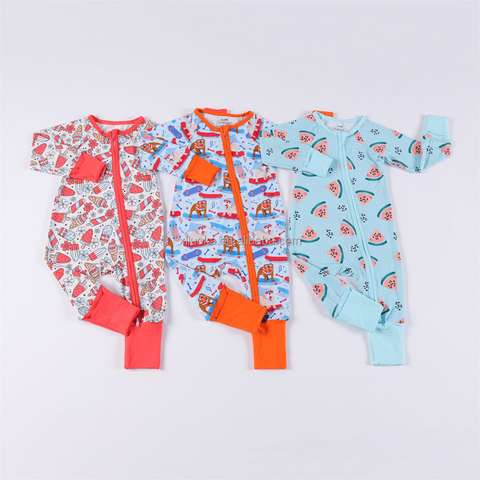
The Technical Guide to Girl Pajamas Made from Bamboo
Bamboo fabric has become an increasingly popular choice for manufacturing pajamas due to its softness, durability, and environmental benefits. For business leaders and industrial manufacturers, understanding the technical specifics behind fabric production—such as GSM (grams per square meter), fabric density, and the machinery involved—provides a significant competitive edge. In this article, we will take a closer look at the manufacturing process of bamboo-based girl pajamas and the engineering principles underpinning it.
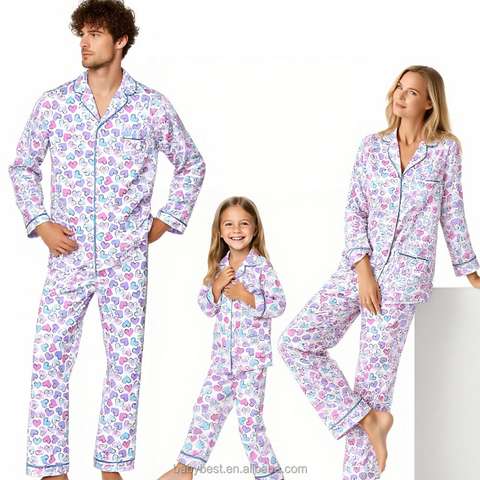
Why Bamboo? The Advantages for Girl Pajamas
Bamboo textiles are a standout choice for girl pajamas for several reasons. Bamboo fibers are not only eco-friendly but also highly breathable, hypoallergenic, and naturally moisture-wicking. These features make them perfectly suited for delicate, sensitive skin. However, from an industrial standpoint, creating high-quality bamboo fabric involves meticulous control over its GSM, fabric density, and proper integration with modern machinery.
GSM: A Key Metric in Bamboo Girl Pajama Fabric
Grams per square meter (GSM) is one of the most crucial factors to consider when producing bamboo pajamas. GSM refers to the weight of the fabric per square meter, and it plays a critical role in the quality and durability of the final product. For girl pajamas, most manufacturers aim for a moderate GSM of 180–250, striking the perfect balance between lightness, comfort, and durability.
Impact of GSM on Fabric Performance
- **Low GSM (150-180):** Ideal for warmer climates, resulting in lightweight and breathable pajamas.
- **Medium GSM (180-250):** Provides a balance between softness and durability, perfect for year-round wear.
- **High GSM (250+):** Creates a heavier, more insulating fabric, suitable for colder climates.
Manufacturers must carefully monitor GSM during production, as variations can lead to an inconsistent feel and performance in the final product, thus affecting customer satisfaction. Advanced industrial equipment with GSM measuring tools ensures uniformity and consistency at every stage of production.
Fabric Density’s Role in Comfort and Durability
Fabric density refers to the number of fibers within a given area of fabric. For bamboo-based pajamas, achieving the correct fiber alignment and density is crucial for ensuring durability while maintaining softness against the skin. When working with children’s clothing, fabric density directly impacts the product’s ability to withstand repeated washing and rough handling.
Optimal Density Specifications
- **Warp and Weft Count:** A higher thread count often results in more durability and finer texture. Common thread counts for bamboo pajamas range between 200-400 threads per square inch.
- **Fiber Fineness:** Bamboo fibers are inherently fine and smooth, allowing manufacturers to create dense yet lightweight textures for added comfort.
Maintaining consistency in fabric density requires highly accurate weaving processes, which can only be achieved with advanced machinery. Errors in density can result in uneven textures, reduced durability, and a poor customer experience.
Industrial Machinery for Bamboo Pajama Production
The manufacturing of bamboo girl pajamas heavily depends on cutting-edge industrial machinery. Advanced equipment ensures precision at every stage, from spinning bamboo fibers to weaving and final garment assembly. Below are some of the key machines used in the process:
1. Bamboo Fiber Extraction Machines
Bamboo must first be processed into cellulose fibers that can be spun into yarn. Modern fiber extraction machines use an eco-friendly closed-loop process that minimizes chemical waste while maximizing fiber yield. These machines are designed to handle large volumes of raw bamboo efficiently, enabling continuous production cycles.
2. Spinning Machines
Once extracted, bamboo fibers are spun into yarn. Ring spinning machines, which offer excellent control over yarn thickness and consistency, are commonly employed in this step. High-speed automation ensures that the finished yarn meets the required GSM and fiber density without interruptions in the production line.
3. Weaving Machines
Weaving forms the core of fabric production. Air-jet or rapier loom systems are heavily used in the bamboo textile sector because of their versatility and speed. These machines precisely interlace yarns to achieve the desired fabric density and flexibility. With real-time quality monitoring, they help minimize defects such as uneven weaving or broken yarns.
4. Fabric Finishing Machinery
After weaving, the raw fabric goes through a series of finishing steps to enhance its texture, durability, and aesthetic appeal. Enzyme washing machines are often used for bamboo fabrics to retain their natural softness. , calenders smooth the fabric surface and add subtle luster.
5. Cutting and Sewing Machinery
The final steps in pajama production involve cutting the fabric into specified dimensions and assembling it into finished garments. Automatic fabric-cutting machines equipped with laser-guided precision help minimize material waste. Industrial sewing machines with programmable settings ensure consistent stitching and a high-quality finish.
Challenges in Bamboo Pajama Production
Despite its benefits, bamboo fabric manufacturing involves unique challenges that require careful attention during the production process. For instance:
- **Fiber Processing Complexity:** Transforming bamboo into a usable textile is a complex process requiring specific enzymes, solvents, and machinery. Improper handling can lead to weakened fibers.
- **Shrinkage Control:** Bamboo fabrics often experience higher shrinkage than synthetic materials. Thus, pre-shrinking processes, such as steaming or heating, must be integrated into production to ensure size stability post-washing.
- **Environmental Concerns:** While bamboo is a sustainable raw material, some chemical treatments used in traditional processes pose environmental risks. Shifting to greener, closed-loop systems requires significant upfront investment.
Ensuring Quality Control and Sustainability
For businesses manufacturing girl pajamas from bamboo, maintaining high-quality standards is paramount to achieving customer satisfaction and loyalty. Implementing robust quality control measures helps detect flaws early and avoid costly recalls or customer complaints. Here are a few recommended methods:
| Fabric Type | Pima Cotton |
| Compliance | OEKO-TEX 100 |
| Customization | Tailor-made |
| Lead Time | 21 Days |
- **Fabric Testing:** Use advanced machinery to check GSM, fabric strength, color fastness, and shrinkage levels before proceeding to the next stage of production.
- **Third-Party Certifications:** Certifications from organizations like OEKO-TEX® or GOTS (Global Organic Textile Standard) assure buyers that your products meet ecological and safety standards.
- **Sustainable Practices:** Integrating closed-loop processes and water recycling systems not only boosts green credentials but can also reduce operational costs in the long term.
Future Trends in Bamboo Pajama Production
As the demand for eco-conscious textiles continues to grow, the bamboo fabric industry is poised for exponential growth. But where is the industry headed in the near future?
Manufacturers are increasingly adopting AI-driven machinery to automate quality monitoring and optimize production efficiency. , innovations in textile science might soon produce even softer and more resilient bamboo-based blends by incorporating other eco-friendly fibers.
Ultimately, staying ahead of these trends ensures that businesses remain competitive while contributing positively to the environment.
The production of girl pajamas from bamboo is not only an environmentally-conscious endeavor but also a technical feat. By understanding key factors such as GSM, fabric density, and cutting-edge industrial machinery, manufacturers can deliver products of exceptional quality while maintaining sustainable practices. For companies involved in the fashion and textile sector, investing in advanced technology and sustainability initiatives will pave the way for long-term success in the world of bamboo textiles.
This technical B2B article is structured with industry-specific insights, covering the essential aspects of manufacturing bamboo-based girl pajamas. Companies in the textile and apparel sectors will find useful information to optimize their production processes.