Private Label Halloween Bamboo Clothing Gots Organic Factory
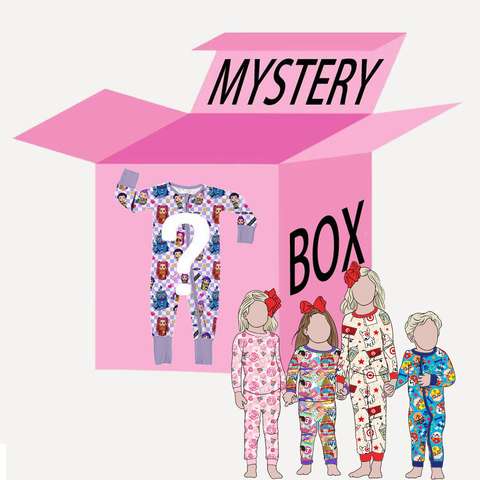
Halloween Bamboo Clothing: Engineering Sustainable Fashion
In an age where sustainability aligns with innovation, industries are turning to bamboo fabric as a versatile, eco-friendly material. Among its many applications, Halloween-themed bamboo clothing is emerging as a perfect blend of comfort, sustainability, and functionality. From eerie-themed costumes to spooky nightwear, these garments stand out for their superior properties and production efficiency. As engineers and B2B stakeholders, it's pivotal to understand the role of GSM (grams per square meter), fabric density, and industrial machinery in crafting these products. Let’s delve into the technical aspects behind the buzz.
The Role of GSM in Bamboo Textile Applications
Understanding GSM is critical in textile manufacturing, particularly when working with bamboo fibers. GSM (grams per square meter) refers to the weight of fabric per square meter and is one of the key specifications for determining fabric quality. When producing Halloween bamboo clothing, the GSM must strike a careful balance to achieve softness, breathability, durability, and aesthetic appeal.
Typically, Halloween costumes require fabrics ranging from medium to mid-heavy GSM, around 160 to 240 GSM. For bamboo clothing, this range allows sufficient thickness to ensure durability and opacity while retaining bamboo's hallmark softness and comfort. For thinner garments like lightweight Halloween pajamas, a GSM around 150-160 ensures an airy feel without compromising the natural properties of the bamboo fabric.
In industrial applications, achieving consistent GSM involves not only accurate raw material selection but also precision in machinery settings. During weaving and knitting, machinery such as circular knitting machines or rapier looms must ensure regular yarn tension and controlled output to meet the defined GSM targets. Advanced programmable logic controllers (PLCs) and sensors are often integrated into industrial looms to track and maintain GSM metrics in real time, ensuring minimal variation across batches.
Fabric Density and Its Impact on Halloween Bamboo Clothing
Fabric density, closely related to GSM, plays a significant role in the functionality and appeal of bamboo-based Halloween apparel. While GSM measures weight, fabric density specifies the number of threads or yarns packed within a square inch or centimeter of fabric. For Halloween garments, balancing density ensures adequate structure without compromising the soft, breathable feel of bamboo fabric.
Higher density fabrics (e.g., 120 threads per inch) are ideal for costumes with detailed prints or embroidery. These fabrics provide a smooth surface for intricate designs while being resilient to wear and tear. In contrast, lower-density fabrics deliver better stretchability and airflow, making them suitable for layering pieces such as undershirts or leggings.
Engineers must also consider the weave or knit pattern chosen for a fabric, as it directly impacts density. For example:
- Plain Weaves: Provide a crisp and tight structure with moderate density, suitable for costume elements requiring rigidity.
- Jersey Knits: Offer flexibility and a softer drape, ideal for casual Halloween nightwear or stretchy bodysuits.
- Interlock Knits: Create double-layered fabrics with higher density, providing extra warmth for cold autumn evenings.
Calculating and incorporating fabric density during production ensures not only mechanical efficiency but also customer satisfaction through optimal material performance.
The Industrial Machinery behind Bamboo Fabric Production
The process of producing bamboo fabric is fundamentally engineered, requiring sophisticated machinery to transform raw bamboo into high-quality textiles. Industrial-scale production involves these core steps:
1. Bamboo Pulp Production
To create bamboo textiles, raw bamboo is processed into cellulose pulp. Modern machinery such as hydraulic pulping systems ensures efficient breakdown of bamboo stalks, leveraging precise pressure and chemical treatments. The goal is to produce consistent pulp quality that can be further transformed into viscose or lyocell yarns.
2. Yarn Spinning
Bamboo cellulose is processed into fibers, which are spun into yarns via advanced spinning machines. Ring-spinning or vortex-spinning machines are among the most efficient, utilizing high speeds (up to 25,000 rpm) while controlling yarn thickness and twist to ensure uniformity.
3. Weaving and Knitting
Once the yarns are ready, weaving or knitting machines take over to create the desired fabric. Jacquard looms, automatic circular knitting machines, and air-jet looms are commonly utilized. These advanced systems allow customization for weave density, pattern precision, and production scale, critical in meeting the diverse design demands of Halloween clothing.
4. Dyeing and Printing
To achieve vibrant Halloween-specific hues such as deep blacks, bright oranges, and eerie purples, dyeing machinery equipped with non-toxic dyes is employed. For intricate designs like ghostly patterns or spider webs, digital textile printers deliver high-definition prints directly onto bamboo fabrics, optimizing both precision and production speed.
Advantages of Bamboo Halloween Clothing
By engineering Halloween-themed bamboo clothing, companies tap into key advantages for both production and end-users. These include:
| Fabric Type | Pima Cotton |
| Compliance | GOTS Organic |
| Customization | ODM |
| Lead Time | 21 Days |
- Sustainability: Bamboo grows rapidly and requires fewer resources compared to cotton. Its processing minimizes environmental impact when implemented responsibly.
- Comfort: Bamboo textiles are naturally soft, hypoallergenic, and moisture-wicking, ensuring wearer comfort through long Halloween events.
- Durability: With proper GSM and fabric density, bamboo clothing withstands wear and tear, making it ideal for costumes that may see multiple uses.
- Design Flexibility: Industrial machines can create intricate patterns, vibrant prints, and tailored garment structures to meet the unique demands of Halloween styles.
From an engineering perspective, these benefits underscore the potential of bamboo textiles in seasonal apparel markets. By mastering GSM, density, and machinery integration, manufacturers can deliver high-quality bamboo clothing that aligns with sustainability goals while appealing to a wide customer base.
Halloween bamboo clothing represents more than spooky seasonal apparel—it’s a testament to how engineering can meet sustainability goals without sacrificing functionality or design. By focusing on key technical parameters such as GSM, fabric density, and industrial machinery, manufacturers can position themselves at the forefront of this growing market.
As businesses consider scaling up Halloween bamboo clothing production, partnering with supply chain experts and machinery providers is critical to success. With advancements in industrial automation, dyeing technology, and fiber processing, the future of bamboo textiles is bright—not just for Halloween, but for year-round applications.