Private Label Kids Bamboo Oekotex 100 Factory
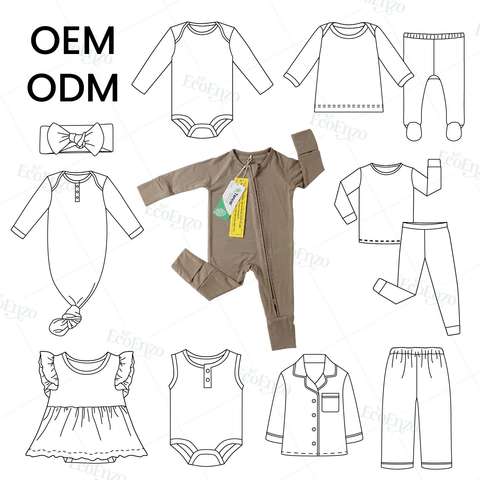
Understanding Kids Bamboo: A Technical Focus
Bamboo fabric has taken the textile industry by storm due to its sustainability, softness, and antibacterial properties. In the kids' clothing market, these characteristics make bamboo an exceptional choice. However, producing premium-quality bamboo fabrics requires an intricate balance between GSM, fabric density, and the capabilities of industrial machinery. This article provides an in-depth look at the technical aspects of this emerging textile category.
What is GSM, and Why Does It Matter for Kids Bamboo?
GSM, or "Grams per Square Meter," is a critical metric in fabric production, particularly for bamboo textiles. It refers to the weight of the fabric per square meter and significantly impacts the texture, durability, and comfort of the final product. In children’s clothing, achieving the right GSM is vital due to the sensitive nature of their skin and their need for breathable material.
For kids' bamboo products, a GSM range of 150–200 is commonly preferred:
- 150–160 GSM: Lightweight and breathable, suitable for summer clothing or undergarments.
- 170–200 GSM: More durable and ideal for year-round use, including sleepwear and t-shirts.
The GSM also determines the functionality and feel of the material. For instance, fabrics with lower GSM may lack durability, while higher GSM levels can produce a more substantial feel but risk compromising breathability, which is paramount for children’s comfort.
The Role of Fabric Density in Bamboo Textiles for Kids
Fabric density refers to the number of threads per unit area and directly impacts the tightness of the weave. In kids’ bamboo clothing, the right density ensures the fabric is soft yet durable, breathable yet insulating. With bamboo, fabric density must align with its natural properties to maximize advantages such as moisture-wicking and antibacterial functionality.
Bamboo fabrics are typically categorized into knitted and woven structures:
- Knitted Structures: More elastic and stretchable, making them ideal for activewear, leggings, and casual garments for children.
- Woven Structures: Higher durability and resistance to wear and tear, suitable for outerwear and special-purpose items like uniforms.
Achieving the perfect fabric density requires specialized machinery, particularly for bamboo blends like bamboo-cotton or bamboo-spandex, which are commonly used in kids’ clothing for added strength or elasticity.
Industrial Machinery in the Production of Kids Bamboo Clothing
The production of high-quality bamboo fabrics for kids' clothing demands advanced industrial machinery capable of precision and efficiency. Here are key machines and technologies utilized in this domain:
Bamboo Fiber Extraction Machines
Bamboo fibers are derived either mechanically or chemically. While mechanical extraction is more eco-friendly, it’s less efficient for mass production. Chemical processing ensures higher consistency in fiber quality but requires sophisticated waste management systems to mitigate environmental impact. Popular machinery here includes multi-needle combers and fiber softening equipment, which prepare the fibers for spinning.
Spinning Machines for Bamboo Yarn
Spinning machines play a vital role in turning bamboo fibers into yarns suitable for weaving or knitting. Ring spinning machines are commonly used due to their ability to produce high-tensile-strength yarns, which are essential for kids’ clothing. Advanced machines in this category integrate real-time quality control to prevent inconsistencies in the yarn.

Knitting and Weaving Machines
Once the yarn is prepared, it’s transferred to knitting or weaving machines for fabric production. Circular knitting machines are preferred for stretchy bamboo fabrics, whereas modern shuttle-less looms are used for woven varieties. These machines are designed to handle the natural flexibility of bamboo fibers without causing thread breaks during production.
Dyeing and Finishing Machines
Bamboo fabrics often require low-impact or plant-based dyes to align with their sustainable branding. High-temperature dyeing machines are used not only to ensure vibrant colors but also to maintain the antibacterial properties of the fabric. Finishing machines, like calendaring and sanforizing systems, are employed to achieve the desired smoothness and shrink-resistance needed for kids’ garments.
Quality Control and Sustainability in Kids Bamboo Production
For kids’ clothing, safety and comfort are paramount. As such, rigorous quality control procedures are integrated across every step of bamboo textile production.
Testing Material for Skin Sensitivity
Bamboo fabrics undergo extensive dermatological testing to ensure they are hypoallergenic and safe for children’s sensitive skin. This often involves checking for residual chemicals left over from the manufacturing process.
Ensuring Durability Without Compromising Softness
Quality assurance teams focus on maintaining a balance between strength and softness. Abrasion and pilling tests are conducted to verify that the fabric can withstand frequent washing while retaining its plush texture.
Sustainability Audits
Given bamboo's sustainable appeal, producers are often subjected to third-party audits to confirm that their processes adhere to eco-friendly practices. This includes verifying responsible sourcing of bamboo and optimizing water and energy consumption in production facilities.
The Business Potential of Kids Bamboo Clothing
The growing demand for sustainable and kid-friendly fabrics has made bamboo a lucrative segment in the textile industry. Manufacturers who invest in advanced machinery and sustainable practices not only meet market requirements but also gain a competitive edge in B2B dealings. Here’s how:
| Fabric Type | Pima Cotton |
| Compliance | CPC Certified |
| Customization | Tailor-made |
| Lead Time | 40 Days |
- Higher Margins: Premium, sustainably produced bamboo clothing often justifies higher price points.
- Brand Differentiation: Unique selling points like "eco-friendly," "antibacterial," and "hypoallergenic" resonate with modern consumers.
- Long-term Viability: With a global shift toward greener production, businesses adopting bamboo-based textiles are well-positioned for future success.
: The Technical and Ethical Case for Kids Bamboo Products
Bamboo textiles represent a harmonious blend of technical innovation and environmental responsibility. For kids' clothing, achieving the perfect balance of GSM, fabric density, and durability is pivotal, ensuring that every garment combines functionality, comfort, and sustainability. Advanced industrial machinery and stringent quality controls are the backbone of this industry, helping manufacturers deliver high-performance bamboo textiles to meet B2B demand.
Ultimately, the investment in superior machinery, coupled with sustainable practices, unlocks not only market potential for kids’ bamboo clothing but also a pathway toward a greener textile future. By focusing on the technical details outlined above, businesses can excel in this dynamic and lucrative niche.