Private Label Pajamas Women Set Bamboo Cpsia Compliant Supplier
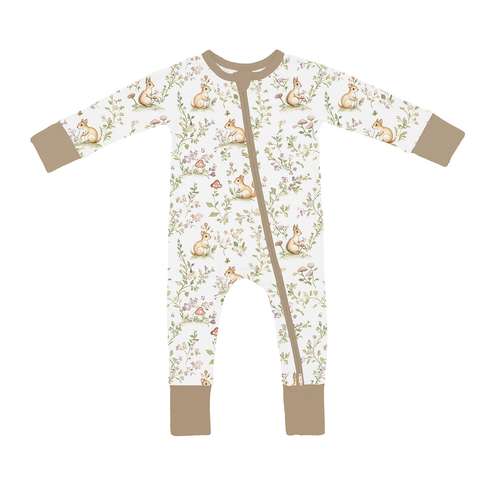
Pioneering Bamboo Pajamas for Women: Navigating GSM, Fabric Density, and Manufacturing Excellence
The demand for high-quality and sustainable textiles has surged over the years, especially in the sleepwear market. Bamboo fabrics have emerged as a front-runner due to their eco-friendliness, softness, and durability. However, creating a premium women’s bamboo pajama set is not a simple feat. Precision in GSM selection, fabric density optimization, and the application of cutting-edge industrial machinery are critical factors in production. In this article, we delve into these technical aspects to provide a deeper understanding of what it takes to engineer a superior bamboo pajama set for women, specifically designed for comfort and longevity.
Understanding GSM and Its Impact on Bamboo Pajama Quality
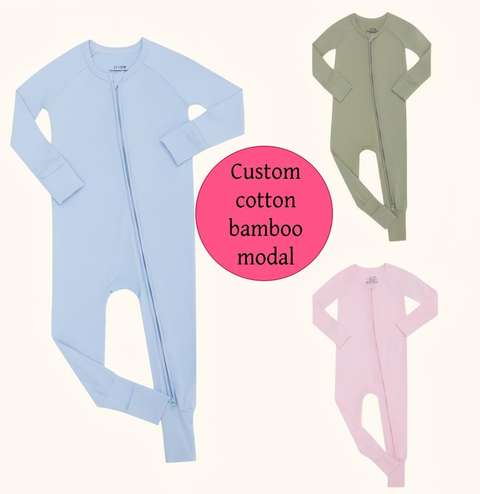
GSM, or grams per square meter, is one of the most critical metrics in fabric engineering, particularly for sleepwear. This metric determines the fabric's weight and is essential in balancing comfort, breathability, and durability. The optimal GSM for women’s bamboo pajamas typically ranges between 150 and 250, depending on the season and target market.
For summer varieties, a GSM in the range of 150 to 180 is ideal. This lightweight fabric maximizes breathability while ensuring decent opacity. Conversely, for winter collections, GSM values from 200 to 250 offer enhanced warmth and durability.
The key to achieving the right GSM lies in precision yarn selection and weave patterns. Bamboo fabric, due to its natural moisture-wicking and thermal-regulating properties, already performs well across a variety of GSM ranges. However, achieving product consistency requires stringent quality control processes integrated with digital GSM measuring devices during production. These devices measure and verify GSM in the production line to ensure that every sheet of fabric meets the defined specifications.
Fabric Density: The Link Between Comfort and Longevity
Fabric density plays a pivotal role in determining the durability, stretch, and aesthetics of bamboo pajamas for women. Unlike GSM, which solely measures fabric weight, density examines how tightly or loosely the fibers are woven, knitted, or blended together. This characteristic is especially important when catering to women’s sleepwear, where comfort is paramount but shouldn’t compromise durability over time.
The density of bamboo pajamas is usually controlled by manipulating weaving techniques such as plain weaves, twill, or specialized knit patterns like jersey. For example, interlock knitting is favored for bamboo sleepwear as it enhances stretchability and resilience, making the fabric ideal for flexible lounging or sleeping positions. Maintaining the correct tension during the weaving or knitting process ensures even fabric density throughout the textile rolls.
Advanced textile simulation tools allow engineers to test fabric density parameters virtually before production begins. By simulating real-world conditions like stretching, washing, and wearing, manufacturers can perfect the blend of density for superior comfort and wear resistance in bamboo pajamas.
Industrial Machinery: The Backbone of Modern Bamboo Fabric Production
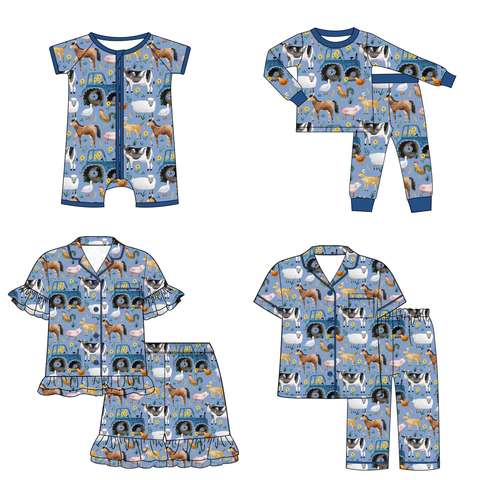
The production of bamboo pajamas involves intricate machinery designed to process the raw bamboo fibers, spin them into yarn, and transform them into high-quality fabric sheets. Each stage of this process uses specialized equipment to ensure consistency, precision, and efficiency.
1. Bamboo Fiber Extraction: The journey begins with the mechanical or chemical processing of bamboo culms to extract cellulose fibers. Modern decortication machines are employed to strip the bamboo material, separating the pulp required for textile production.
2. Yarn Spinning: The extracted fibers undergo carding and spinning processes to transform them into yarn. Advanced ring-spinning machines equipped with automated controls ensure the uniformity of the yarn diameter, which is essential for maintaining GSM and fabric density specifications.
3. Fabric Production: Once the yarn is produced, weaving or knitting machinery comes into play. Circular knitting machines are a popular choice for crafting bamboo sleepwear as they provide the flexibility to produce seamless garments with enhanced stretch and comfort. These machines also include customizable digital settings for different patterns, enabling manufacturers to tailor designs to market demands.
4. Dyeing and Finishing: With sustainability in focus, bamboo fabrics are often dyed using low-impact dyes in high-efficiency finishing machines. Additionally, softening and pre-shrinking processes are automated to ensure the final pajamas meet comfort and size retention standards.
Quality Assurance Through Advanced Testing
Quality control is integral to creating women’s bamboo pajama sets that meet customer expectations in both physical properties and aesthetic appeal. Industrial-grade testing machinery plays an essential role in this aspect of production, ensuring that all technical parameters are within engineering tolerances.
1. GSM Testing: As mentioned earlier, precision GSM meters measure weight consistency across the fabric roll. These digital tools can instantly flag anomalies, enabling easier correction along production lines.
2. Strength and Durability Testing: Fabrics are subjected to tensile strength and abrasion tests using specialized machines like the Martindale Abrasion Tester. This ensures the bamboo sleepwear can withstand regular wear and cleaning cycles.
| Fabric Type | Organic Bamboo |
| Compliance | CPSIA Compliant |
| Customization | ODM |
| Lead Time | 29 Days |
3. Colorfastness Evaluation: Using spectrophotometers and wash-resistant testing equipment, dyes are evaluated to ensure their resilience to fading over repeated washes.
4. Breathability and Moisture-Wicking Analysis: To maintain bamboo fabric’s unique properties, permeability testing is carried out to guarantee optimum airflow and moisture management under varying temperatures.
A Sustainable Textile Solution for the Future
Aside from its end-user benefits like ultra-soft feel, hypoallergenic properties, and longevity, bamboo fabric is a sustainable alternative to traditional textiles like cotton and polyester. This environmentally conscious material requires less water, minimal pesticides, and grows quickly—even on suboptimal soils—making it an eco-friendly choice for sleepwear manufacturing.
Leveraging state-of-the-art machinery enhances productivity while reducing waste in textile mills. Many facilities have now integrated closed-loop processing systems to recycle water and solvents during bamboo fiber extraction, further minimizing environmental impacts. Sustainable innovation is not just a trend but a necessity in the evolving textile industry.
: Engineering Excellence in Bamboo Pajama Sets
The creation of high-quality women’s bamboo pajama sets intersects fabric science, industrial machinery expertise, and a commitment to sustainability. By carefully balancing GSM and fabric density during production, manufacturers can achieve the ideal combination of comfort, durability, and functionality. Lean and advanced manufacturing processes further ensure that bamboo fabric delivers on its promise of eco-friendliness and top-tier performance.
As consumer demand for sustainable and high-performance sleepwear continues to rise, bamboo pajamas are positioned as an industry staple. Engineers in the textile sector will play a pivotal role in shaping this growth through iterative innovations, precise process controls, and a relentless focus on quality assurance.