Private Label Soft Handle Printed Pajamas Bespoke Manufacturer
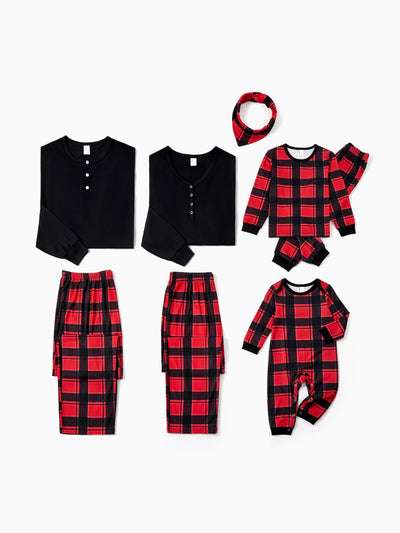
Soft Handle Printed Pajamas: GSM, Fabric Density, and Industrial Machinery
In the world of textile engineering and garment production, soft-handle printed pajamas have emerged as a popular product for their comfort and aesthetic appeal. Developing such garments requires precision engineering, an understanding of GSM (grams per square meter), fabric density, and optimized use of industrial machinery. This article offers a technical, yet engaging exploration of these elements and their significance in B2B operations.
Understanding GSM and Its Role in Pajamas
GSM, or grams per square meter, is a critical parameter in textile production. It defines the weight of fabric and contributes directly to the tactile experience, breathability, and durability of pajamas. For soft-handle printed pajamas—often crafted for comfort—selecting the right GSM is paramount.
Typically, GSM for soft-handle pajamas falls within the range of 120 to 160 GSM for lightweight, breathable options, and up to 220 GSM for thicker, winter-appropriate variants. Lightweight fabric ensures ease of movement and the characteristic 'soft handle,' while higher GSM provides insulation and durability for colder environments. Engineering the right GSM requires a balance between customer preferences and utility, making it the cornerstone of product development.
In the processing phase, GSM is determined using precision weighing and industrial machinery, such as digital GSM cutters and scales. These tools allow manufacturers to consistently meet desired specifications across production batches, ensuring uniformity.
Fabric Density and Its Impact
Fabric density—measured in terms of thread count or yarn arrangement directly influences the texture, feel, and handle of pajamas. In soft-handle garments, selecting a fine thread yarn with moderate density ensures a smooth finish and softness. Cotton, modal blends, and microfiber are frequently used for constructing fabric with ideal density for pajamas.
The interplay between fabric density and GSM is crucial. For instance, a fabric with low GSM and high density may be breathable but fail to provide sufficient softness. In contrast, fabrics with balanced density and GSM exhibit the smoothness and lightness desired for soft-handle products.
Advanced techniques like combed or carded yarn production help achieve balanced fiber arrangements, creating textiles optimized for softness without compromising durability. For printed pajamas, additional processes such as pre-treatment coatings ensure fabric density adheres to printing techniques, minimizing distortion during sublimation or pigment printing.
Industrial Machinery Drives Quality and Precision
Industrial machinery plays a pivotal role in creating soft-handle printed pajamas, from fabric production to cutting, printing, and stitching. Various machines impart quality control for soft textiles while ensuring efficiency.
1. **Knitting and Texturing Machines**: Circular knitting machines, particularly single-jersey and interlock machines, dominate textile production for soft-handle pajamas. These machines deliver uniform stitch density, create flexible, smooth textures, and adapt well to printing techniques.
2. **Printing Machines**: Sublimation printers, rotary screen printers, and pigment dye machines are frequently used for soft-handle pajamas. Sublimation allows for intricate, vibrant prints without altering fabric’s softness. Rotary screen printing is optimal for mass production, while pigment dyeing adds crisp design quality, especially for cotton-based textiles.
3. **Finishing Equipment**: Post-production, pajamas undergo finishing treatments such as calendaring, bio-polishing, and brushing. Calendaring smooths the surface, bio-polishing removes loose fibers, and brushing enhances the fabric’s soft handle—all done using specialized machinery.
4. **Automated Cutting and Stitching**: Precision cutting machines equipped with computer-aided design (CAD) ensure minimized waste and accurate patterns. Automated stitching machines like sergers support rapid, consistent assembly, enabling scalable production.
The B2B Perspective: Bridging Engineering and Market Demand
For businesses invested in soft-handle printed pajamas, understanding technical aspects such as GSM, fabric density, and machinery is critical to meeting end-user expectations. Partnering with manufacturers who leverage advanced industrial equipment ensures consistency and allows for rapid product innovation.
, insights into GSM and fabric density enable businesses to plan product portfolios. For example, lower GSM pajamas can be marketed as summer essentials, while higher GSM products cater to winter wear. This strategic differentiation aligns technical engineering parameters with market segmentation.
| Fabric Type | Organic Bamboo |
| Compliance | ASTM F963 |
| Customization | Custom |
| Lead Time | 16 Days |
Another factor is sustainability. Low-GSM, high-density fabrics reduce material consumption while enhancing output quality, appealing to eco-conscious buyers. B2B partnerships can thus prioritize not only product functionality but also responsible production practices.
: Engineering Comfort and Style
The development of soft-handle printed pajamas exemplifies how engineering intersects with fashion. By converging concepts like GSM and fabric density with the capabilities of industrial machinery, manufacturers can deliver garments that uphold both comfort and style. For businesses, understanding these technical nuances is essential to sourcing and producing pajamas that align with market demands and consumer expectations.
B2B collaboration thrives when technical excellence meets commercial insight, creating opportunities for both innovation and growth. By focusing on GSM, fabric density, and machinery, businesses can carve a competitive edge in a thriving segment of the textile industry.