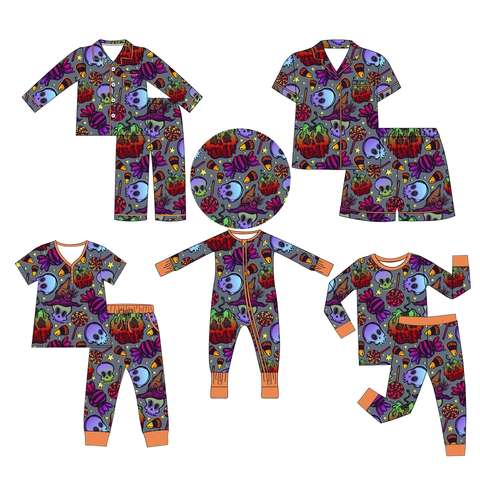
Private Label Viscos Bamboo Family Christmas Pajamas Oekotex 100 Wholesale
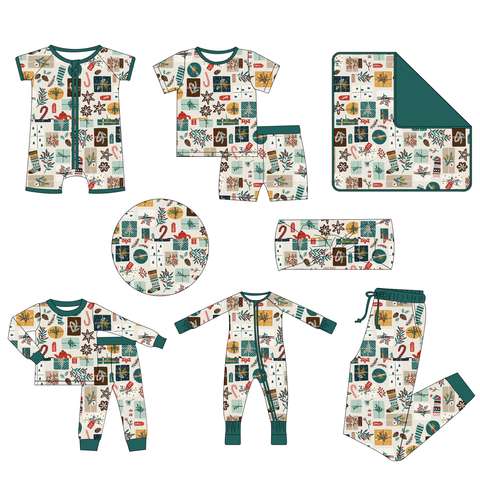
Understanding the Production of Viscose Bamboo Family Christmas Pajamas
Viscose bamboo has gained immense popularity in the textile industry due to its sustainability, softness, and versatility. When it comes to festive apparel such as family Christmas pajamas, viscose bamboo offers an unparalleled combination of comfort and functionality. In the realm of Business-to-Business (B2B) textile production, factors such as GSM (grams per square meter), fabric density, and industrial machinery play a pivotal role in manufacturing high-quality garments. This article delves into the technical aspects of producing viscose bamboo pajamas tailored for the holiday season.
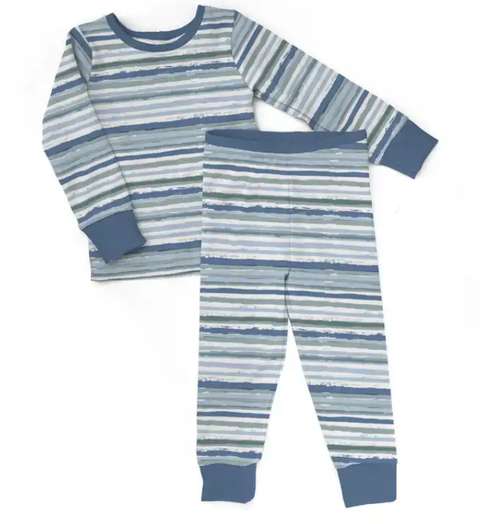
Viscose Bamboo: The Fabric of Choice
Viscose bamboo, derived from the pulp of bamboo plants, is a semi-synthetic fiber that combines the breathable qualities of natural fibers with the durability of synthetics. The process for creating viscose bamboo involves breaking down bamboo cellulose into a viscous solution, which is then extruded into fibers and spun into yarn. The resulting fabric is soft, moisture-wicking, and hypoallergenic, making it ideal for intimate wear and seasonal garments like family Christmas pajamas.
The Role of GSM in Pajama Fabric Selection
GSM, or grams per square meter, is a critical metric that quantifies the weight of fabric. It provides insights into the thickness, durability, and comfort of the textile. For viscose bamboo pajamas, the ideal GSM typically falls between 180-250 GSM, balancing warmth and breathability—a particularly important consideration for winter sleepwear.
Lower GSM fabrics (under 180) make garments lightweight and breathable but may compromise warmth. Conversely, higher GSM fabrics (over 250) yield dense, insulated garments but risk compromising softness and drape. By targeting the 180-250 GSM range, manufacturers can ensure that bamboo pajamas are cozy without being overly constrictive or heavy.
To achieve consistent GSM levels, precision machinery and processes are non-negotiable. Technical parameters such as the draw ratio in spinning, the weft and warp thread tension, and subsequent fabric refinements directly impact the GSM uniformity of the final product.
Fabric Density and the Durability of Bamboo Pajamas
While GSM provides a quantitative perspective on fabric weight, density pertains to the tightness of the weave or knit. For viscose bamboo, selecting the proper knit or weave density affects not only aesthetics but also durability and thermal regulation.
Knitted fabrics, such as single jersey or interlock, are commonly used for Christmas pajamas due to their elasticity and softness. Interlock knits have a higher density than single-jersey knits, making them ideal for creating durable yet breathable sleepwear. Manufacturers using advanced double-needle bar machinery can produce intricate knits that optimize both comfort and performance.
It is worth noting that an improper balance between GSM and density can lead to fabric pilling or excessive stretching, particularly with viscose bamboo, which is known for its silky texture. High-precision stenter machines are often used in the finishing stages to control fabric shrinkage and stabilize the material, offering a consistent hand feel and performance.
Industrial Machinery in Bamboo Textile Processing
The production of viscose bamboo family Christmas pajamas relies heavily on industrial machinery to meet the demands of bulk production and ensure product quality. Here are some key technologies involved in the manufacturing process:
1. Spinning Frames for Yarn Production
The transformation of bamboo pulp into yarn is facilitated by wet spinning processes using high-output spinning frames. These machines ensure uniform fiber thickness and proper tensile strength, essential for maintaining the delicate balance between softness and resilience in the final fabric.
2. Circular Knitting Machines
Circular knitting machines are indispensable in producing the knit fabrics commonly used in pajamas. Programmable to handle various knit types, these machines allow manufacturers to create specific fabric textures and patterns like festive motifs found in Christmas apparel. Standard diameters range between 18-30 inches for optimal yield in mid to high-density knits.
3. Dyeing and Printing Machines
Festive pajamas often feature bright colors and holiday-themed patterns. Pad dyeing or jigger dyeing machines are preferred for batch processes, ensuring consistent color application on viscose bamboo fabric. For intricate designs and motifs, rotary screen printing machinery is widely used. These machines enable multi-colored prints with high precision, ensuring vibrant and enduring patterns suitable for Christmas pajamas.
4. Heat Setters and Stenter Machines
To stabilize the fabric post-production and set the desired shrinkage, heat-breaking and stenter machines are essential. These machines improve not only the visual appearance of the fabric but also its tactile properties, ensuring that finished pajamas feel smooth, soft, and uniform.
5. Sewing and Seaming Machines
The assembly of pajamas requires advanced sewing and seaming machines equipped for handling the unique challenges posed by viscose bamboo fabrics. The material's tendency to stretch necessitates using differential feed systems that prevent puckering or distortion during stitching. Flatlock or overlock stitching is typically employed to provide a smooth finish and enhance garment durability.
Key Challenges and Solutions in Manufacturing
While viscose bamboo offers numerous advantages, the manufacturing process presents several challenges that must be addressed:
1. Moisture Sensitivity
Viscose bamboo fibers are highly absorbent, which can lead to dimensional changes during washing or wear. Solution: Employ pre-shrinking techniques during processing and utilize durable press finishes to mitigate shrinkage in the final product.
| Fabric Type | Pima Cotton |
| Compliance | CPSIA Compliant |
| Customization | OEM |
| Lead Time | 39 Days |
2. Pilling Resistance
Despite its softness, viscose bamboo is prone to pilling when fabric density or durability is compromised. Solution: Select high-quality spun yarn with tight twist levels and incorporate enzyme treatments in the finishing process to enhance surface smoothness.
3. High Production Costs
The technical steps involved in processing viscose bamboo can lead to elevated production costs. Solution: Automating key stages of production, such as dyeing and cutting, helps reduce labor costs and increase contract manufacturing scalability.
Environmental Considerations in Bamboo Textile Production
Given the rising demand for eco-conscious apparel, using viscose bamboo aligns well with sustainability trends in textiles. However, traditional processes for producing viscose involve the use of chemicals like carbon disulfide, posing environmental concerns.
Innovative solutions like closed-loop production systems can help reduce the environmental impact. These systems capture and recycle process chemicals, decreasing waste and minimising the factory's ecological footprint. B2B manufacturers investing in greener processes can position themselves as leaders in the sustainable textile sector.
: Engineering the Perfect Christmas Pajamas
As the holiday season approaches, the demand for high-quality family Christmas pajamas continues to rise, pushing textile manufacturers to innovate and refine their production techniques. Viscose bamboo offers a premium fabric option that combines softness, breathability, and sustainability—qualities that resonate with consumers seeking comfort and eco-consciousness.
Through a meticulous approach to fabric selection (considering GSM and density), leveraging advanced industrial machinery, and addressing manufacturing challenges head-on, B2B producers can deliver premium viscose bamboo pajamas tailored for the festive season. By incorporating cutting-edge technology, ensuring fabric consistency, and adopting environmentally sustainable practices, manufacturers can meet the growing demands of the global textile market while setting themselves apart in a competitive industry.