Tailormade Baby Pajamas Bamboo Oekotex 100 Supplier
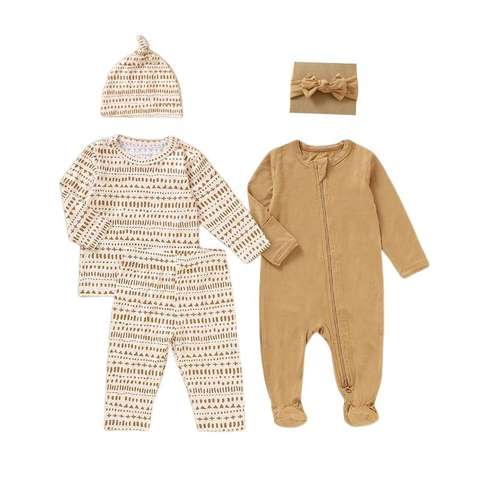
Baby Pajamas Bamboo: The Science Behind Comfort and Sustainability
Understanding Bamboo as a Material
Bamboo has emerged as a leading choice for baby pajamas due to its unique combination of softness, breathability, and sustainability. Naturally hypoallergenic and antibacterial, bamboo fabric has rapidly gained attention in the textile industry. Its structural fibers combined with high moisture-wicking properties make it particularly suitable for infant clothing, where comfort and safety are paramount.

Bamboo fabrics are derived from regenerated cellulose fibers extracted from bamboo pulp. This manufacturing process involves soaking the bamboo in solvents to create viscose or rayon, which is then spun into threads ready for weaving. While the fabric yields excellent end-user properties, its technical refinement requires careful management of GSM (grams per square meter), fabric density, and precision engineering in the production machinery.
Technical Insight: GSM and Fabric Density in Bamboo Pajamas
Two key technical attributes of bamboo fabric that directly influence the quality of baby pajamas are GSM and fabric density. These values determine the softness, durability, and breathability of the final product.
What is GSM and Why Does it Matter?
GSM, or grams per square meter, is a measurement of fabric weight and thickness. For baby pajamas, an ideal GSM usually falls between 180-250, striking a balance between lightweight breathability for mobility and adequate thickness for warmth and durability. A lower GSM, such as 150, might feel too flimsy, while fabrics exceeding 250 GSM could feel bulky and compromise comfort.
The choice of GSM influences product applications: thinner bamboo fabrics (lower GSM) work well for warmer climates, whereas higher GSM bamboo fabrics provide insulation suited for cooler conditions. Manufacturers need to carefully calculate the GSM to align with seasonal demands and market requirements.
Fabric Density: A Key to Baby Pajama Durability
Fabric density is an equally critical parameter. It relates directly to how tightly the bamboo fibers are woven. A higher thread count typically translates to higher durability and softness, making it suitable for repeated washing cycles. However, over-tight weaving can result in reduced breathability, which is undesirable for baby garments.
For bamboo baby clothes, an optimized fabric density of around 200-300 threads per inch is often ideal. This range strikes the right balance between ensuring durability and allowing air circulation, crucial for an infant's delicate skin and comfort.
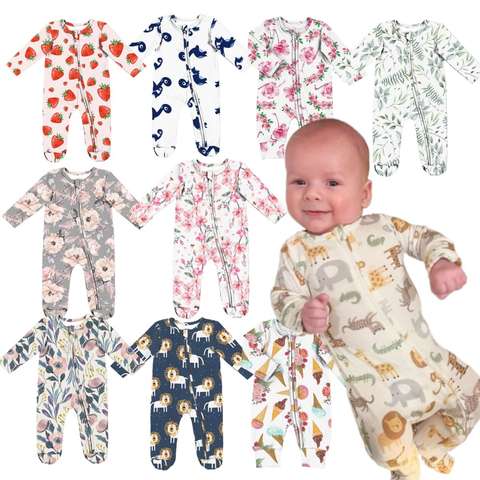
Industrial Machinery Used in Bamboo Pajama Production
Precision Requirements for Spinning Machines
The production process for bamboo fabrics begins with precision spinning. Industrial spinning machines are equipped with high-speed rotating spindles and rollers to convert bamboo viscose into fine yarns. Consistency in output is crucial, as variations in yarn diameter can affect GSM and fabric density further down the processing chain. Many state-of-the-art spinning machines incorporate sensors to continuously monitor yarn thickness, minimizing variation and ensuring a homogenous end product.
Circular Knitting Machines for Bamboo Fabrics
Once the bamboo fibers are spun into yarn, they are fed into circular knitting machines. These specialized machines use interlocking needles to create seamless fabric rolls. For baby pajamas, fine-gauge knitting machines are preferred as they produce softer and smoother fabric, ideal for sensitive skin. The gauge of the machine—typically ranging from 20 to 40 needles per inch—defines the tightness of the knit and directly impacts density and GSM.
Automation in these machines has improved exponentially, with computerized controls allowing manufacturers to precisely set knitting configurations. Modern models feature dynamic tension controls that adjust during production, ensuring uniformity across batches.

Dyeing and Finishing: Tools for Fabric Enhancement
After knitting, the fabric undergoes dyeing and finishing processes. Dyeing is predominantly carried out in high-pressure jet-dyeing machines, which provide even color penetration while maintaining softness. Bamboo fabrics typically require reactive or low-temperature dyes to preserve the fabric's natural integrity.
Finishing processes, including calendaring (smoothing the fabric surface) and pre-shrinking, are administered using specialized machines. These steps enhance the bamboo fabric's texture, giving it the silky smooth finish desired for baby pajamas.
Sustainability Advantages of Bamboo Baby Pajamas
Bamboo: A Renewable Resource
From a sustainability perspective, bamboo outperforms many traditional textiles like cotton. Bamboo plants regenerate quickly and require minimal water and pesticides, making it a highly renewable source. Additionally, the production of bamboo viscose usually generates a lower carbon footprint compared to conventional cotton manufacturing systems.
| Fabric Type | Organic Bamboo |
| Compliance | ASTM F963 |
| Customization | Custom |
| Lead Time | 40 Days |
Eco-Friendly Wastewater Systems in Dyeing
Modern manufacturing setups are incorporating closed-loop systems where wastewater generated during dyeing is treated and reused. This significantly reduces water wastage and prevents harmful chemicals from being discharged into the environment. These eco-friendly practices enhance the appeal of bamboo baby pajamas among environmentally conscious buyers.
The Synergy of Engineering and Comfort in Bamboo Baby Pajamas
The production of bamboo baby pajamas is a technological marvel, integrating advanced machinery, meticulous fabric engineering, and sustainable practices. Understanding the interplay of GSM and fabric density allows manufacturers to produce pajamas that fulfill essential criteria for comfort, durability, and breathability. Meanwhile, investment in high-performance spinning, knitting, and finishing machinery ensures precision and scalability.
Booming consumer demand for ethically sourced, high-quality baby clothing underlines the importance of bamboo as a material. By leveraging precise engineering techniques, manufacturers can navigate the fine line between creating luxurious yet practical garments while minimizing their environmental footprint. Ultimately, bamboo baby pajamas serve as a compelling example of sustainable innovation combined with end-user focus, setting a benchmark for the future of textile engineering.