Tailormade Bamboo Adult Long Pajamas Pants Private Label Oem
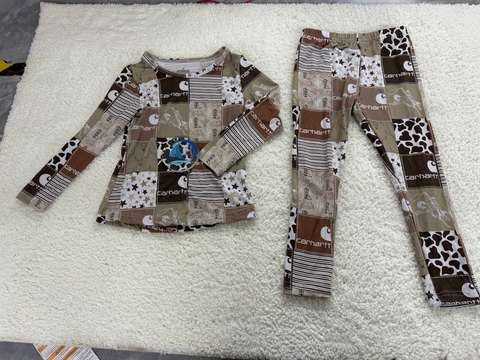
The Technical Anatomy of Bamboo Adult Long Pajama Pants
In the modern apparel industry, bamboo adult long pajama pants represent a growing trend marked by sustainability and comfort. Technical manufacturing requires a blend of high-performance fabrics, efficient GSM (grams per square meter) evaluation, and precisely tuned industrial machinery. This article explores these aspects, offering insights for manufacturers, suppliers, and decision-makers in the textile industry.
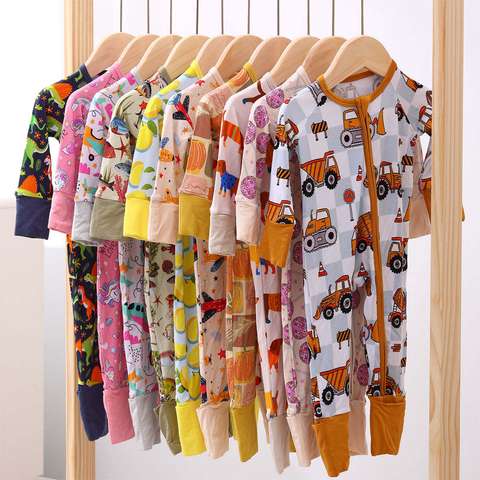
Understanding GSM: The Core Metric of Fabric Performance
What is GSM in Textile Manufacturing?
GSM, or grams per square meter, is a critical measurement that determines fabric weight and thickness. For bamboo adult long pajama pants, an appropriate GSM ensures not only optimal comfort but also adequate durability. The GSM range typically falls between 160 and 220 for lightweight yet cozy loungewear.
The Role of GSM in Bamboo-Based Fabrics
Bamboo fabric, derived from cellulose extracted from bamboo plants, exhibits unique characteristics. With a medium GSM of around 180–200, bamboo pajamas achieve the perfect balance between breathability and thermal insulation. This range offers moisture-wicking capabilities, making bamboo an excellent choice for sleepwear.
Optimizing GSM for Performance
Engineers and textile technologists use precision instruments to measure and standardize GSM during production. Automated fabric weighting scales and fabric cutters are integrated into production lines to ensure consistency across batches. This meticulous approach prevents variations, which could otherwise impact product quality and the customer experience.
Fabric Density in Bamboo Pajama Pants: A Key Performance Indicator
The Interplay Between Fabric Density and Comfort
Beyond GSM, fabric density also plays a pivotal role in determining the functionality and usability of bamboo pajama pants. Fabric density refers to the number of yarns woven within a square inch of fabric. It directly influences factors like durability, drape, and stretchability.
The Ideal Weave for Bamboo Pajamas
Bamboo pajamas often utilize a jersey or interlock knit, both characterized by their soft texture and flexible structure. A jersey weave offers elasticity, while an interlock weave adds durability without compromising comfort. For adult long pajama pants, maintaining a medium fabric density ensures longevity and wear resistance.
Fabric Testing for Consistency
Quality assurance teams conduct regular tests to measure parameters such as thread count, fabric stretch, and resistance to wear. Techniques like tensile strength testing and air permeability analysis help determine whether the ideal fabric density has been achieved, ensuring the final product meets high industry standards.
Industrial Machinery for Bamboo Pajama Production
Fiber Processing: From Bamboo to Fabric
Manufacturing bamboo-based fabrics begins with bamboo fibers. The raw bamboo is crushed and treated chemically or mechanically to extract cellulose. Advanced industrial equipment such as fiber extractors and pulping machines ensure a uniform output while reducing waste.
Textile Production: The Efficiency of Modern Weaving Machines
High-performance industrial loom machines, including circular knitting machines, are used to weave or knit the bamboo fibers into fabric yards. Programmable machines allow manufacturers to fine-tune fabric density, color configurations, and pattern alignments for a consistent production outcome. These machines minimize material wastage and improve turnaround times.
Cutting and Sewing Technologies
Once the fabric is ready, CNC fabric cutters and CAD-controlled sewing machines take over. Automated cutting systems ensure precise panel sizes and reduce human error, while digital sewing equipment guarantees uniform stitching. For bamboo pajama pants, this phase incorporates details such as elastic bands and seam reinforcements for both comfort and durability.
Key Takeaways
The production of bamboo adult long pajama pants is an intersection of sustainable material science, meticulous fabric engineering, and advanced industrial automation. By leveraging optimal GSM, ideal fabric density, and efficient machinery, manufacturers can produce sleepwear that meets consumer demands for comfort, durability, and eco-friendliness.
| Fabric Type | Organic Bamboo |
| Compliance | CPSIA Compliant |
| Customization | Bespoke |
| Lead Time | 25 Days |
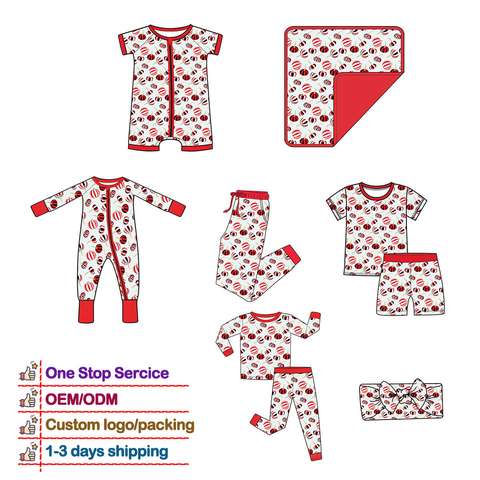
As the demand for environmentally friendly apparel continues to grow, investing in bamboo-based clothing provides an excellent opportunity for businesses to meet their B2B and B2C customers' expectations. Embracing technological advancements in fiber processing, weaving, and garment production will position companies at the forefront of sustainable textile innovation.