Tailormade Bamboo Character Blanket Cpc Certified Manufacturer

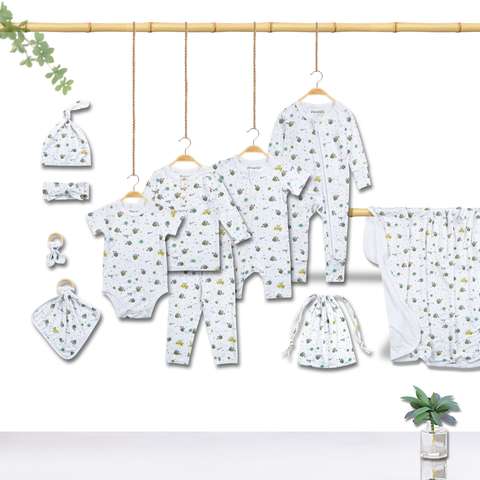
Bamboo Character Blanket: Setting New Standards in Comfort and Sustainability
The bamboo character blanket is revolutionizing the textile industry with innovative material properties, sustainable production processes, and advanced engineering techniques. In the realm of B2B textile manufacturing, understanding the complexity behind such products is vital for staying ahead in an ever-changing market. This article discusses key technical aspects such as GSM (Grams per Square Meter), fabric density, and industrial machinery involved in the production of these cutting-edge blankets.
Why Bamboo: The Advantage Behind the Material
Bamboo fibers have become a popular choice in the textile industry due to their inherent sustainability and versatility. As a raw material, bamboo grows rapidly and requires minimal water, pesticides, or fertilizers, making it an eco-friendly option for manufacturers. Beyond its environmental attributes, bamboo fibers possess unique structural qualities, allowing for lightweight yet durable blankets with exceptional thermal regulation and moisture-wicking properties.
For businesses, the adoption of bamboo in textiles offers both market differentiation and reduced carbon footprint, catering to growing consumer demand for sustainability without compromising on quality.
Understanding GSM and Its Role in Bamboo Blankets
GSM, or Grams per Square Meter, is a critical metric in the textile industry. It represents the weight of fabric per unit area, directly influencing the texture, durability, and thermal properties of the final product. Bamboo character blankets are often designed with GSM values ranging from 200 to 400, striking a balance between softness and structural integrity.
For bamboo blankets, GSM calculation is optimized to account for bamboo fibers’ unique properties, such as their lightweight nature and distinct tensile strength. Manufacturers must carefully control GSM to meet market requirements and ensure that blankets provide adequate warmth while remaining breathable. Likewise, blankets with higher GSM values, often in the 350–400 range, are produced for colder climates, where insulation is critical.
To determine GSM during production, industrial machinery integrates scales, sensors, and feedback loops for precise weight and density calculations. This ensures uniformity and consistent quality across large-scale fabric lots.
Fabric Density: Enhancing Comfort and Functionality
Fabric density refers to the arrangement and compactness of fibers in a weave or knit design. For bamboo character blankets, fabric density directly impacts comfort, durability, and moisture management. Higher density results in softer and stronger textiles, making bamboo blankets ideal for premium markets.
The weaving or knitting patterns used in bamboo blankets are carefully engineered to maximize fiber interaction without compromising structural robustness. For example, tight-knit designs boost density while maintaining the lightweight feel that bamboo fabrics are celebrated for. These patterns allow manufacturers to produce blankets with enhanced thermal regulation and breathability, aligning perfectly with consumer expectations for year-round usability.
In industrial production, fabric density is monitored via advanced imaging systems that detect irregularities in fiber alignment. These systems allow quality assurance teams to make real-time corrections to weaving and knitting machines, thereby ensuring the reliability of the density specifications.
Industrial Machinery Used in Bamboo Blanket Manufacturing
Producing bamboo character blankets demands precision engineering and the use of specialized industrial machinery. Unlike conventional cotton or polyester, bamboo fibers require unique handling to preserve their structural characteristics throughout the production process. Below are the major machinery categories involved:
- Carding and Combing Machines: Bamboo fibers are fed into these machines to be meticulously disentangled and aligned. This stage is crucial for achieving optimum fiber quality and consistency, directly affecting the fabric’s tactile properties.
- Spinning Machines: Advanced spinning technologies, such as ring spinning or air jet spinning, are employed to convert bamboo fibers into yarn. These machines are calibrated to handle the smooth and slippery texture of bamboo fibers without causing breakage.
- Weaving and Knitting Machines: Automatic looms or computerized knitting machines facilitate the creation of dense and uniform fabric structures. Different machines are configured to execute specific designs, such as percale or jacquard weaves, depending on the final product requirements.
- Dyeing and Finishing Equipment: Bamboo fibers display excellent absorbency, enabling lasting coloration during the dyeing process. Manufacturers utilize eco-friendly dyeing solutions alongside finishing machinery to enhance softness and durability.
- Cutting and Sewing Automation: Finally, automated cutting tables and sewing machines ensure precision during blanket assembly, maintaining design continuity and reducing material wastage.
These machinery systems often operate under interconnected Industry 4.0 frameworks, allowing continuous data exchange and performance optimization during production cycles.
The Role of Engineering in Bamboo Blanket Innovation
The engineering behind bamboo character blankets goes far beyond basic manufacturing techniques. Advanced material science governs the fiber treatment methods, ensuring the preservation of bamboo’s natural properties. Special enzymatic processes delicately break down bamboo into usable fibers while retaining its antimicrobial characteristics—a selling point for hygienic and sensitive-use applications.
Additionally, thermal processing plays a significant role in controlling shrinkage and improving the durability of bamboo-based textiles. Manufacturers often utilize controlled heat treatments to stabilize the fibers, enhance elasticity, and prepare the fabric for subsequent knitting or weaving phases.
Further innovations in engineered textiles, such as nanotechnology applications, have opened new avenues for improving bamboo blanket performance. Coatings infused with nanoparticles can enhance stain resistance, UV protection, or even phase-change thermal properties, setting bamboo character blankets apart in premium markets.
Market Impacts and Future Directions
Bamboo character blankets, with their unique advantages in durability, comfort, and sustainability, are reshaping markets while meeting industrial and consumer-demand criteria. On the B2B front, the production of bamboo textiles aligns with long-term business objectives, such as reducing environmental impact and tapping into eco-centric consumer bases.
Looking ahead, advancements in machinery and material treatment could further bolster bamboo’s value proposition in textiles. Automated AI-driven processes might refine GSM determinations and density configurations for unparalleled precision and customization. Combined with efforts to expand bamboo’s functional applications, such as waterproof coatings or enhanced thermal performance, the future of bamboo character blankets is ripe for innovation.
| Fabric Type | Organic Bamboo |
| Compliance | ASTM F963 |
| Customization | Custom |
| Lead Time | 19 Days |
, businesses operating in the machinery space should consider designing more machinery tailored for bamboo fibers, addressing the unique handling properties that conventional machines might struggle with. Customized solutions will not only streamline operations but also foster long-term partnerships with bamboo textile producers.
The bamboo character blanket represents a remarkable intersection of sustainability, comfort, and engineering prowess. As more manufacturers look to integrate eco-friendly fibers into their product lines, an understanding of GSM, fabric density, and specialized machinery will prove indispensable. By leveraging bamboo’s inherent properties and modern engineering capabilities, businesses within the textile supply chain can position themselves as leaders in sustainable innovation, catering to both environmental stewardship and market growth.