Tailormade Bear Print Pajama For Babies Cpc Certified Exporter
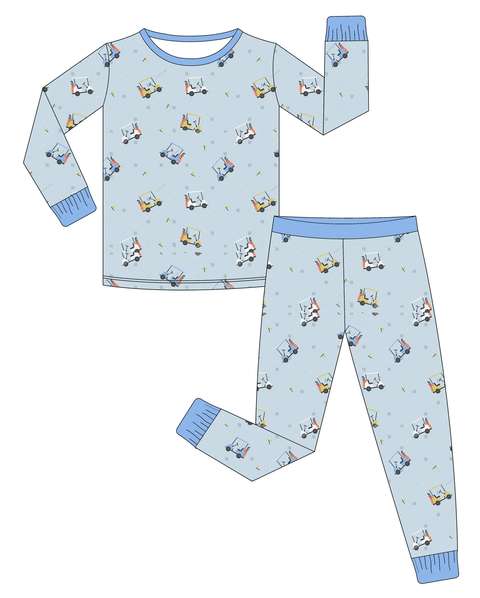
Technical Precision in Baby Wear: Bear Print Pajamas
As the demand for premium babywear grows, manufacturers and suppliers must balance comfort, safety, and design with the technical specifics of production. Perhaps the most essential factors revolve around the choice of fabrics, the role of GSM (grams per square meter), fabric density, and the industrial machinery used in manufacturing. When focusing on bear print pajamas for babies, understanding these technical metrics is pivotal for business-to-business (B2B) buyers looking for high-quality, scalable solutions for their markets.
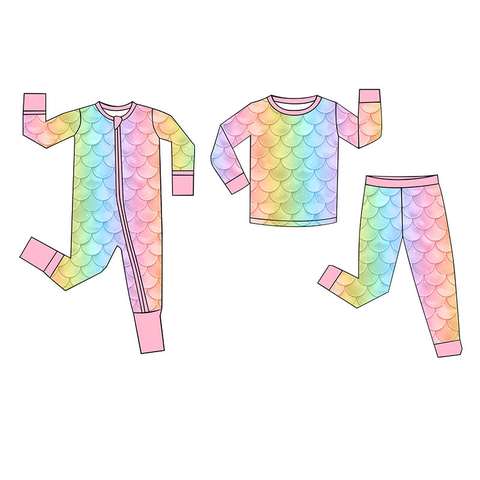
Understanding GSM and Its Role in Baby Pajamas
GSM, or grams per square meter, is a widely recognized measure of fabric weight, a key factor in determining the suitability of pajama material for babies. Lightweight fabrics in the 120-140 GSM range are ideal for comfort and breathability, ensuring the material does not overheat the baby. On the other hand, heavier fabrics exceeding 180 GSM may be used for colder climates, offering better insulation.
Bear print pajamas, in particular, must balance visual appeal with comfort, which makes a GSM range of 140-160 optimal for year-round use. Fabrics like cotton jersey or interlock knit within this GSM range not only allow for clear and vibrant printing of bear designs but also offer softness and flexibility—critical for a baby’s sensitive skin and freedom of movement.
The Importance of Fabric Density in Babywear
Fabric density works hand-in-hand with GSM to influence the feel and functionality of bear print pajamas. While GSM measures fabric weight, density refers to the tightness of weaving or knitting, impacting fabric durability, breathability, and printing clarity.
In the case of knitted fabrics like jersey or interlock, high-density materials are preferred because they yield smoother surfaces that enhance the visibility of printed designs. For intricate bear prints, a tightly knitted fabric prevents distortions and ensures the details of the graphics remain sharp after multiple washes.
Manufacturers should also pay close attention to fabric stretch and recovery when selecting materials. Stretch fabrics that retain their original shape after elongation improve fit and durability, essential features for babywear that undergo frequent washing, stretching, and handling.
Industrial Machinery for Optimal Production
High-quality bear print baby pajamas require state-of-the-art industrial machinery. Below are the key machines that play a crucial role during production:
Knitting Machines
Knitted fabrics like cotton jersey and interlock begin their journey in high-speed circular knitting machines. These machines process natural and synthetic yarns into consistent, breathable fabrics that are inherently soft and stretchable, which makes them ideal for babywear. Modern knitting machines are computerized for precision, allowing manufacturers to control parameters like gauge size to achieve the desired density and texture.
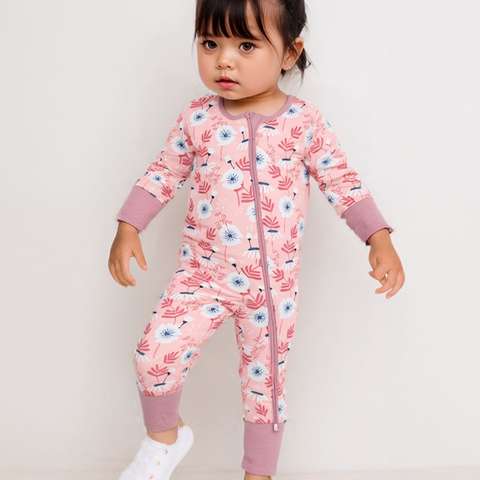
Fabric Dyeing and Printing Machines
Bear prints rely on advanced dyeing and printing equipment to achieve vibrant and permanent designs. Rotary screen printing machines, well-known for high-volume orders, are a common choice for repeatable bear patterns. Additionally, digital printing technologies have gained popularity for their ability to create intricate designs with accurate color reproduction. Digital printers are particularly advantageous for short production runs of unique or customized bear patterns.
Sewing Machines
Once the fabric is prepared, industrial-grade sewing machines give the pajamas their final shape. Flatlock sewing machines, for instance, are widely used to produce seamless, flat edges that minimize irritation for a baby’s delicate skin. Automated sewing systems can handle complex stitching patterns for enhanced durability and aesthetic appeal, while adhering to set parameters for safety and comfort.
Quality Control and Finishing Machines
Ensuring consistent quality across large-scale production is non-negotiable for babywear manufacturers. Inspection machines equipped with sensors help detect defects in fabric or printing, while compacting and calendaring machines help achieve the final desirable texture and finish. For bear print pajamas, compacting machines are particularly important to reduce shrinkage, ensuring long-term durability even after repeated washing.
Customization and Sustainable Practices
B2B buyers increasingly demand customization options and sustainable production practices. Whether it’s offering variances in bear print designs to fit regional preferences or creating pajamas from eco-friendly fabrics, manufacturers need to adopt flexible and sustainable approaches in their practices.
Eco-Friendly Materials
Organic cotton, certified by organizations like GOTS (Global Organic Textile Standard), is a favored material for babywear. It eliminates the use of harmful pesticides, making it a safer choice for babies. Manufacturers using organic cotton must optimize GSM and fabric density specifications to meet consumer quality expectations while minimizing environmental impact.
Sustainable Manufacturing Practices
Sustainability isn’t limited to fabrics; it encompasses the machinery and processes used in production as well. Energy-efficient knitting machines, low-water-printing technologies like reactive dyeing, and advanced recycling systems can lower the ecological footprint of bear print pajamas. By showcasing a commitment to sustainability, businesses can gain a competitive edge in the marketplace.
| Fabric Type | Organic Bamboo |
| Compliance | ASTM F963 |
| Customization | Private Label |
| Lead Time | 20 Days |
Compliance with Safety Standards
The safety of babywear is paramount in the B2B marketplace. Compliance with stringent safety standards is not just a selling point, but a necessity. Bear print pajamas must meet global safety certifications, ensuring they are free from harmful chemicals and designed with safety in mind. Considerations include:
- Using azo-free dyes and non-toxic inks for printing.
- Adhering to flammability standards for pajamas sold in specific markets, such as the Consumer Product Safety Commission (CPSC) regulations in the United States.
- Avoiding small parts or embellishments that could pose a choking hazard to babies.
Why Technological Advancements Matter
The babywear industry is rapidly adopting new technologies to improve production efficiency, ensure product quality, and meet customer preferences. Artificial intelligence, for example, can optimize cutting and pattern placement on fabric rolls to reduce wastage. Likewise, Industry 4.0 technologies, like IoT-enabled devices and automated data collection, provide real-time insights into production metrics, allowing manufacturers to adjust processes and enhance output quality.
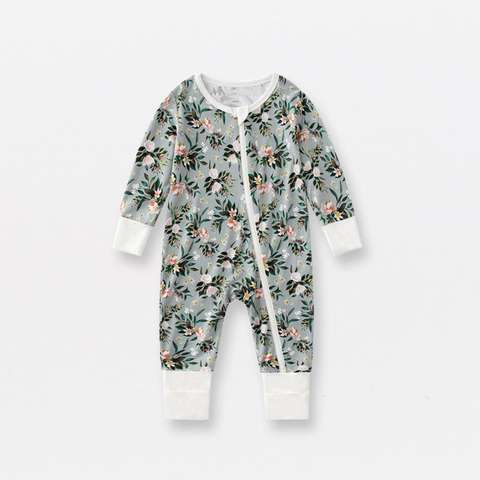
As B2B buyers weigh suppliers for bear print pajamas, their focus will undoubtedly shift toward manufacturers who can deliver not just products, but reliable, scalable, and efficient production methods backed by cutting-edge industrial systems.
: A Holistic Approach to Baby Pajamas Production
Producing bear print pajamas for babies is more than an exercise in aesthetic appeal; it is a technical endeavor that requires a deep understanding of GSM, fabric density, safety standards, and industrial machinery. Manufacturers must balance soft, comfortable materials with durability and compatibility for intricate designs while incorporating industrial technology capable of efficient, sustainable production.
B2B buyers seeking suppliers in this niche should prioritize producers who showcase expertise in material science, advanced manufacturing processes, and adherence to global safety and sustainability norms. By doing so, the industry collectively moves toward providing high-quality, safer, and more innovative babywear options for the market.