Astm F963 03 Month Baby Rompers Tailormade Supplier
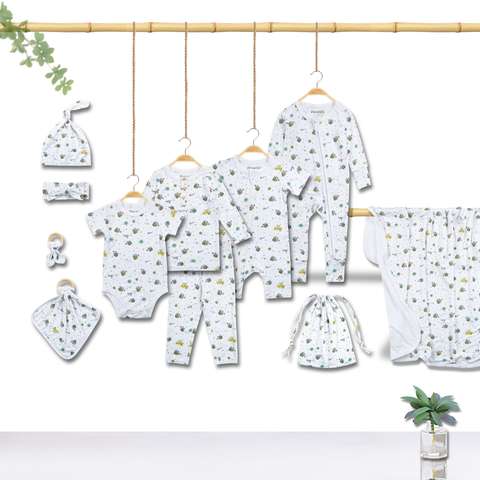
Manufacturing 0-3 Month Baby Rompers: Balancing Comfort, Fabric Density, and Efficiency
The production of baby rompers designed for 0-3 month-olds demands a unique combination of technical accuracy, fabric selection, and efficient industrial machinery processes. Not only do these garments need to meet the highest standards of comfort due to the delicate skin of newborns, but they must also achieve precision in size and durability during assembly. This requires a holistic approach to GSM (grams per square meter) considerations, material optimization, and leveraging advanced manufacturing technologies.

In this article, we will dive into the technical aspects behind the creation of baby rompers, focusing on fabric density measurements, GSM considerations, and how industrial machinery contributes to an efficient and scalable manufacturing process. This technical edition is tailored for businesses manufacturing infant apparel or suppliers providing fabrics and machinery solutions.
Understanding GSM in Baby Romper Production
GSM, or grams per square meter, is a key parameter when manufacturing 0-3 month baby rompers. Used to evaluate fabric thickness and weight, it directly correlates to comfort, durability, and cost. For baby rompers, an ideal GSM usually falls in the range of 180 to 240 GSM, striking a balance between lightweight comfort and structural integrity.
Since newborns have highly sensitive skin, a lighter GSM toward the lower spectrum of the range is often preferred for softness. However, keeping the fabric lightweight doesn’t mean compromising durability. Fabrics must be both breathable and resilient, necessitating thorough GSM testing to ensure proper quality control in bulk manufacturing.
Factors Influencing GSM Selection
- Fabric Type: Commonly used materials include organic cotton, blends of cotton-spandex, and bamboo fabric. Each material type has a unique GSM range suited for baby-grade products.
- Seasonality: Lightweight rompers (180-200 GSM) are ideal for summer, while mid-heavyweight ones (220-240 GSM) are better suited for winter to provide warmth.
- Durability vs. Comfort: Higher GSM tends to ensure durability, especially during washing, while softer fabrics with lower GSM enhance comfort levels for infants.
Fabric Density and its Role in Durability and Wearability
While GSM is crucial, fabric density refers to the tightness of the weave or knit, which has a significant impact on the garment’s texture and strength. In the case of baby rompers, achieving the right weave density is essential to produce a product that maintains its form and avoids excessive shrinkage after washing.
A denser fabric minimizes pilling and ensures that garments don’t lose their aesthetic or functional qualities over time. Knit garments, like those commonly used in baby rompers, are preferred because they provide stretch and movement. Rib knits and interlocks are popular due to their soft feel and ability to accommodate rapid infant growth.
Testing GSM and Fabric Density
In industrial manufacturing, fabric testing machinery plays a vital role in assessing both GSM and fabric density. Standard techniques include:
- GSM Cutter Method: Using a round cutter to remove uniform fabric swatches, which are then weighed to determine GSM accuracy.
- Fabric Inspection Machines: Automated systems that detect defects, measure density, and calculate GSM in real-time.
- Counting Threads: Advanced optical machinery can assess the number of threads per square inch to ensure optimal fabric density.
Leveraging Industrial Machinery for Precision and Efficiency
The demand for baby rompers in the retail space is high, with strict compliance requirements related to material safety and garment quality. Industrial manufacturing machinery ensures scalability, consistency, and safety while keeping costs manageable. From cutting and stitching to quality inspection, each stage in the production line is enhanced by technology.
Automated Cutting Machines
Precision cutting is essential in baby romper production, as even slight inconsistencies in dimensions can result in ill-fitting garments. Automated fabric cutters equipped with computerized patterns ensure the size specifications for 0-3 month-old rompers are met with razor-sharp accuracy.
, advanced laser cutters provide the dual benefit of cutting speed and edge-sealing, reducing time spent on post-processing steps, such as overlocking or hemming. This streamlines production while maintaining a high degree of accuracy and efficiency.
Sewing Machines: Advanced Stitching for Flexibility
High-grade industrial sewing machines are used to stitch baby rompers, ensuring secure seams that hold up even after multiple washes, without causing irritation to an infant’s sensitive skin. For baby garments, flatlock and overlock stitches are commonly employed, as they leave flat and smooth seam finishes.
Machines with programmable stitching capabilities also allow for intricate detailing or decorative accents, which can add poor-value differentiation in competitive markets. Additionally, the use of semi-automated or fully automated systems decreases human error, particularly in mass production lines.
Heat Press Machines for Embellishments
Baby rompers often feature embellishments such as brand logos, vibrant patterns, or custom images. Heat press machines are an industry standard for high-volume transfers, ensuring consistent results across thousands of pieces. These machines operate with temperature and pressure control, making them suitable for both organic and synthetic fabrics commonly used in baby romper production.
One consideration during the heat transfer process is ensuring compliance with baby clothing safety standards. This includes using non-toxic and low-temperature adhesives or inks to protect the fragile skin of infants.
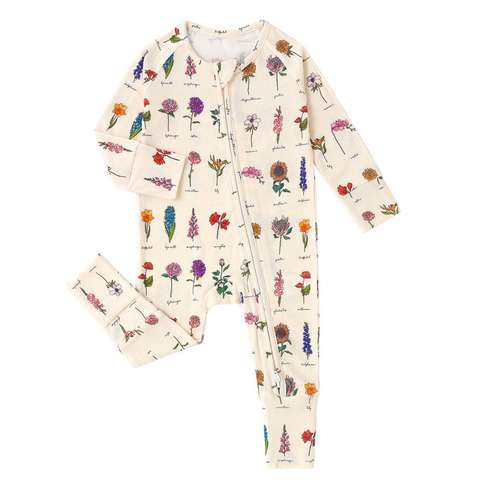
Inspection Systems for Quality Assurance
Quality inspection is a critical stage in manufacturing baby clothing. Automated inspection systems equipped with high-resolution cameras and sensors detect defects in both fabric and stitches. This helps minimize waste, eliminate defective products, and ensure compliance with consumer safety regulations.
| Fabric Type | Pima Cotton |
| Compliance | OEKO-TEX 100 |
| Customization | ODM |
| Lead Time | 15 Days |
For baby rompers, precision is particularly important when it comes to closure systems, such as snap buttons, zippers, or Velcro strips. Sewing and inspection machinery are specifically calibrated to verify the strength and safety of these fastenings. For instance, snaps must have the right torque to hold securely without breaking under minimal force.
Optimizing the Manufacturing Workflow for Baby Rompers
A well-structured manufacturing workflow integrates various stages into a seamless pipeline, reducing labor effort while maximizing output. Here's an example process:
- Fabric Receiving and Inspection: Ensuring fabric GSM matches specifications upon arrival, followed by a density test for thread uniformity.
- Cutting: Automated cutting machines prepare uniform panels for assembly.
- Sewing: Industrial sewing stations apply flatlock stitches to achieve smooth seams while inserting panels and fastenings.
- Inspection: Automated quality testing identifies defective garments in real time.
- Finishing Processes: Pressing and embellishment (if necessary) are completed before final packaging.
Streamlining Through IoT and Industry 4.0
The introduction of the Industrial Internet of Things (IIoT) in apparel manufacturing is transforming workflows. With sensors attached to sewing machines and fabric cutters, manufacturers can monitor real-time performance, detect inefficiencies, and make adjustments immediately.
Additionally, data collected during production can help predict future demands and optimize fabric use, reducing waste and ensuring timely order fulfillments.
Manufacturing 0-3 month baby rompers is a highly technical and sensitive process that involves balancing quality with precision and affordability. By carefully selecting fabrics with proper GSM and density, and utilizing advanced industrial machines, manufacturers can ensure baby rompers meet stringent market expectations. With the integration of IoT-enabled equipment and robust quality control, businesses can further optimize their workflows and take their manufacturing processes to the next level.
For B2B manufacturers, suppliers, and retailers, investing in advanced machinery and high-quality fabrics is an essential strategy for securing a competitive advantage in the baby clothing industry. Offering safe, comfortable, and durable infant garments is not just a necessity—it’s an opportunity to deliver exceptional value and forge lasting customer trust.