Astm F963 Baby Accessories Tailormade Supplier
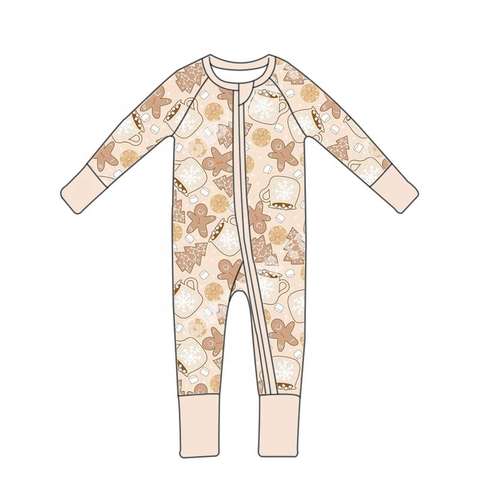
The Importance of GSM and Fabric Density in Baby Accessories Manufacturing
In the world of baby accessories, quality and precision are critical components that cannot be overlooked. Parents and caregivers often rely on baby accessories such as blankets, bibs, clothing, and reusable diapers to ensure their little ones stay comfortable and safe. For manufacturers designing these products, two key technical considerations play a pivotal role: GSM (grams per square meter) and fabric density. Coupled with the integration of advanced industrial machinery, these factors can elevate baby accessories from ordinary products to industry-leading solutions.
Understanding GSM and Its Role in Baby Accessories
GSM refers to the weight of fabric measured per square meter and serves as a universal metric in the textile industry. For baby products, GSM provides insight into how the fabric behaves, such as its durability, thermal insulation, and feel. Lightweight fabrics with lower GSM values are often ideal for soft baby blankets, breathable clothing, or summer accessories. On the other hand, higher GSM fabrics are generally used for more robust products, such as winter blankets or absorbent bibs.
To practically apply GSM in the production line, engineers need to carefully analyze the target audience and intended use of the accessory. For example:
- Swaddle blankets typically range from 120 to 200 GSM, ensuring a breathable yet sufficient layer.
- Reusable cloth diapers prioritize absorbency, often utilizing fabrics between 300 and 600 GSM.
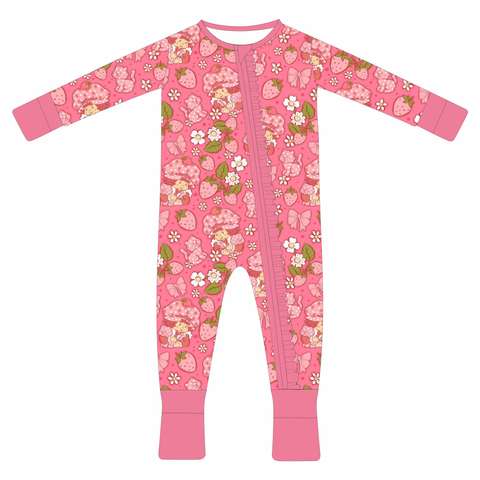
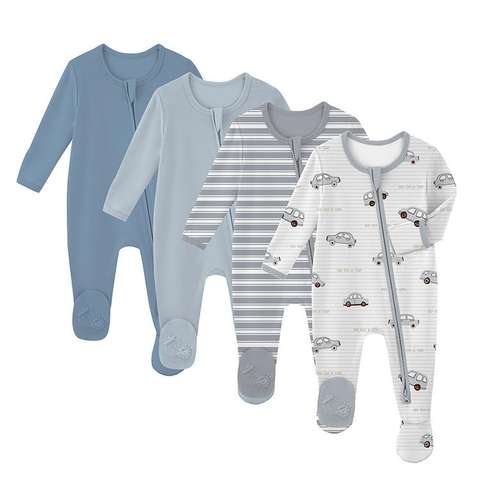
- Baby garments, such as onesies or rompers, might utilize GSM levels between 150 and 250, balancing comfort and durability.
Testing GSM directly correlates with fabric feel, weight, and maintenance requirements. Parents often seek products that are lightweight for portability yet durable enough to withstand multiple washes—a dichotomy that manufacturers need to reconcile during production planning.
Fabric Density: Defining Durability and Product Integrity
Fabric density, unlike GSM, refers to the number of threads woven within a specific space of fabric, usually measured by thread count. While GSM focuses on weight, density highlights the strength of the fabric's weave and its performance under stress. The interplay between fabric density and GSM often dictates how a baby accessory performs in real-world conditions.
For example, baby bibs designed for heavy use during feeding must maintain strong fabric density to withstand stains, spills, and multiple machine washes. High-density fabrics demonstrate resilience to wear and tear, which is a vital feature for a sustainable product. Blankets, on the other hand, may need medium-density fabrics to allow breathability and softness.
A prime example of utilizing fabric density effectively lies in multi-layer fabrics, such as muslin cloths. Layers of low-density fabrics combined can serve as breathable yet insulating accessories for babies, showcasing versatility in textile engineering.
Incorporating proper fabric density within the design pipeline includes:
- Material sourcing: Working with suppliers to secure consistent high-thread-count fabric.
- Pre-production testing: Ensuring fabric maintains integrity under specific stress tests (pull, stretch, or repeated washing).
- Pairing the weave pattern appropriately: Choose twill or satin weaves for items requiring extra softness and durability.
Industrial Machinery: Driving Precision in Baby Accessories Fabrication
Creating high-quality baby accessories involves integrating highly specialized industrial machinery capable of working with textile materials that vary in thickness, density, and GSM. Engineers play a crucial role in choosing machinery that delivers exact technical outputs while maintaining cost efficiency. Some of the key machinery used in this sector includes:
Digital Textile Printers
Digital textile printers are pivotal for creating visually appealing yet functional baby accessories. From colorful patterns on onesies to educational prints on baby blankets, printer technology ensures clarity and precision. Machinery equipped to handle multiple GSM levels or stretchable fabrics often delivers the highest quality results.
Engineers must pay close attention to:
- Ink compatibility: Machine ink must adhere well to soft fabrics like cotton or bamboo blends.
- Speed and repeatability: Large-scale production demands printers capable of consistent quality at high speed.
Multi-Needle Stitching Machines
Multi-needle stitching machines add strength and durability to baby accessories, especially for products requiring reinforcement. For example, reusable diapers utilize multi-layer construction enhanced by dense stitching patterns. These machines allow precise control over stitch distribution, thread tension, and automation, ensuring each product meets high industry standards.
Optimizing production involves:
- Calibrating thread tension based on fabric thickness.
- Utilizing programmable stitching patterns for versatility in design.
Laser Cutting Machines
The advent of laser cutting machinery has revolutionized textile manufacturing, offering unparalleled precision in fabric cutting. For baby accessories, manufacturers often prioritize accuracy in shaping fabric panels, minimizing wastage, and ensuring smooth edges. Laser cutting is particularly beneficial when dealing with intricate designs or small components, like bib fastenings or diaper insets.
Key considerations include:
- Testing fabric response to heat during cutting processes.
- Scaling settings to handle various GSM levels without compromising material integrity.
The Intersection of Comfort and Technical Precision
Ultimately, baby accessories demand a perfect balance between comfort, aesthetics, and performance under repeated use. Achieving this balance requires technical engineers to actively integrate GSM considerations, fabric density, and industrial machinery into the product development process. Consistent collaboration between textile engineers and production teams guarantees that products meet stringent parental expectations while adhering to industry standards.
In addition to producing practical, high-quality products, companies benefit from aligning with sustainability trends. Eco-conscious parents increasingly seek accessories made from organic materials with minimal environmental impact. Engineers must therefore focus on sustainable fabric sourcing and optimize manufacturing processes using resource-efficient machinery.
| Fabric Type | Organic Bamboo |
| Compliance | ASTM F963 |
| Customization | Bespoke |
| Lead Time | 35 Days |
: Engineering Excellence for the Next Generation
Baby accessories manufacturing is undoubtedly a niche that demands technical innovation and careful planning. By combining meticulous attention to GSM, fabric density, and industrial machinery, engineers can create products that ensure comfort, practicality, and longevity. As the industry grows and product demands evolve, continuous advancements in textile engineering and manufacturing technologies will be the key to staying competitive and delivering excellence to the youngest customers.

From the softness of a newborn’s swaddle to the absorbency of reusable diapers, precision engineering ensures that every detail matters. For businesses aiming to enhance their portfolio in baby accessories, understanding the technical backbone of production is not just an option—it’s a necessity.