Odm Custom Cartoon Baby Pajamas Cpc Certified Factory
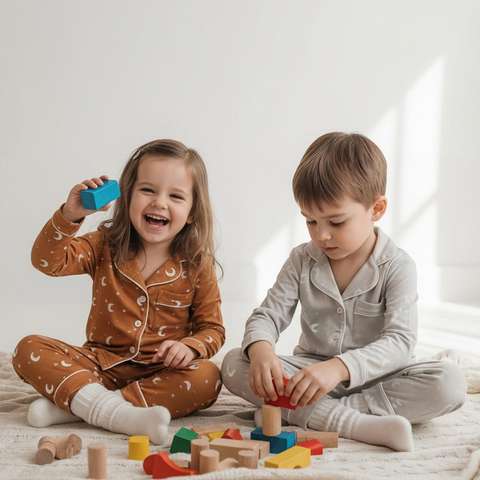
Custom Cartoon Baby Pajamas: A Technical Overview
Creating custom cartoon baby pajamas combines creativity, precision, and technical expertise. For manufacturers in the garment industry, proper attention to key elements like fabric density, GSM (grams per square meter), and industrial machinery ensures a high-quality final product. Baby pajamas demand special considerations due to their usage, where safety, comfort, and durability take center stage. Let’s dive into how these factors come together in the production chain to deliver a custom-designed product for business buyers.
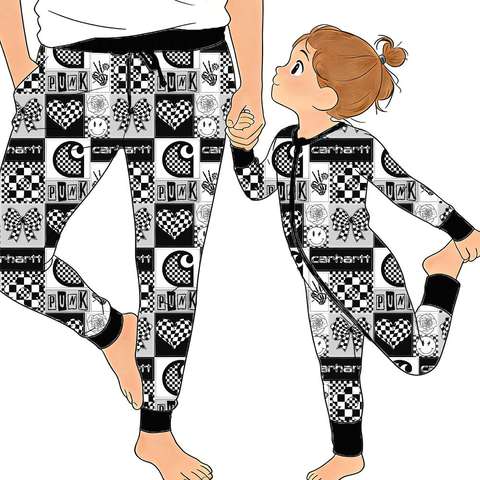
Understanding GSM: The Foundation of Durable Baby Pajamas
GSM (grams per square meter) is a critical parameter in textile manufacturing, defining the weight of fabric per square meter. For baby pajamas, selecting the optimal GSM ensures comfort, durability, and functionality. Most baby clothing uses light-to-medium weight fabrics, with GSM ranges between 160 and 220. This provides a balance between breathability and warmth.
Manufacturers working on custom cartoon baby pajamas often select knit fabrics like jersey or interlock, which offer natural stretch and softness. The GSM plays a role in shaping how these pajamas feel against a baby’s sensitive skin. A lower GSM (e.g., 160) results in a lightweight, feather-soft feel suitable for warmer climates, while slightly higher GSM (e.g., 200-220) provides added insulation for cooler temperatures.
For businesses, understanding GSM helps when specifying fabric properties for customization. When selecting cartoon graphics, a fabric with the right density ensures optimal color vibrancy and prevents material warping, especially when printing intricate designs.
The Role of Fabric Density in Comfort and Safety
Fabric density, a separate but related characteristic to GSM, refers to the number of threads per square inch of fabric. While GSM is about weight, density is about the compactness of the weave or knit. A higher thread density can influence the flexibility, durability, and opacity of the fabric.
For baby pajamas, medium-density fabrics are typically recommended. Dense fabrics risk reducing breathability, causing discomfort for the child. Conversely, loose weaves can reduce thermal control and may compromise the garment's ability to trap heat during cold weather.
Additionally, manufacturers must ensure compliance with safety standards. For example, flame-resistant fabrics are often a requirement for children's sleepwear, and density can influence compliance. A dense-knit fabric offers less oxygen flow within the structure, reducing susceptibility to flames. Industrial producers incorporate specific chemical treatments or use naturally flame-retardant fibers to ensure compliance while maintaining fabric comfort.
Understanding both GSM and density helps businesses select materials that not only perform functionally but also enhance the final visual aesthetic of printed cartoons. A highly porous fabric, for instance, may cause design details to diffuse and lose clarity.
Industrial Machinery Used in the Manufacturing Process
The production of custom cartoon baby pajamas involves the use of advanced industrial machinery across several stages: fabric processing, cutting, printing, sewing, and quality control. Ensuring top precision in each step is essential, especially when working with delicate baby apparel.
Fabric Cutting Machinery
Automated fabric cutting machinery is a cornerstone for producing consistent pajama pieces. Machines such as CNC fabric cutters or laser cutters are widely used. These systems minimize waste and ensure precise cuts according to the design's specifications.
For cartoon baby pajamas featuring custom prints, accurate cutting is critical to align the graphics seamlessly across garment panels. This is particularly important in matching patterns between pant legs, sleeves, and body sections.
Screen Printing and Digital Printing Machines
Applying cartoon designs to baby pajamas is a creative process executed with the help of printing technologies. Screen printing and digital printing machinery are leading methods for creating high-quality, vivid designs.
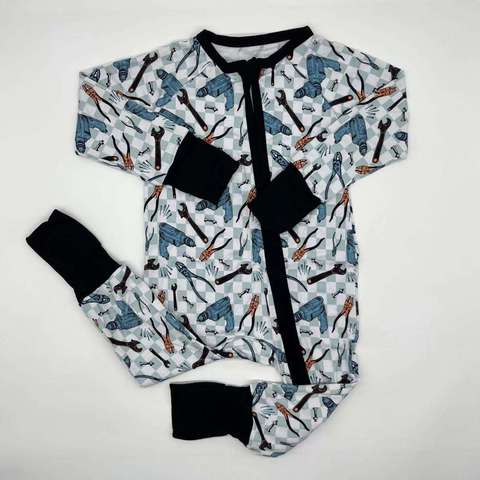
Screen printing is the traditional choice for bold, high-opacity colors, making it ideal for simple cartoon graphics. On the other hand, high-resolution digital printing is preferred for intricate designs with complex color gradients. Advanced printers use environmentally friendly, non-toxic inks that are safe for infant apparel.
For the production of smaller batch orders—often found in the custom apparel sector—direct-to-garment (DTG) printers are an efficient solution. DTG technology offers flexibility and quality without requiring separate screens for each design variation.
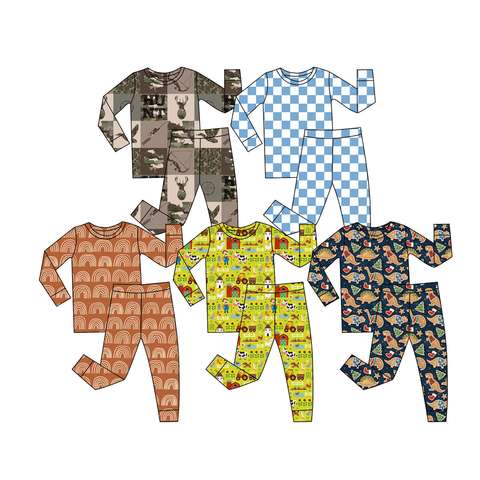
Sewing Machines and Automation
From assembling pajama body panels to attaching cuffs and waistbands, industrial sewing machines facilitate production at scale. Modern machinery, such as programmable lockstitch and overlock machines, provides speed and accuracy. To accommodate unique cartoon baby pajamas, custom patterns and stitching finishes can be automated, reducing human error.
The growing trend toward Industry 4.0 integration means sewing equipment often features IoT (Internet of Things) capability, enabling real-time monitoring and automated quality checks during production runs. For businesses investing in large-scale manufacturing, this ensures consistency across thousands of units.
Benefits of Custom Cartoon Baby Pajamas for B2B Clients
Customization unlocks significant opportunities for businesses to meet niche markets and customer demands. Baby pajamas featuring cartoon characters, whether licensed or original, appeal strongly to both parents and children. Incorporating functional and aesthetic design elements can create a competitive advantage. Here's how custom cartoon baby pajamas benefit various stakeholders in the B2B chain:
Personalization Drives Brand Success
Businesses can personalize pajamas with brand-specific or regionally tailored designs. Licensed character graphics or original illustrations can differentiate products in highly competitive markets. For custom orders, buyers benefit from working closely with manufacturers on placement, sizing, and integration of logos or branding elements.
Highly Scalable Production Models
Using advanced machinery and analytics, modern manufacturers can quickly scale up production to fulfill bulk orders. Whether producing 5,000 or 50,000 units, efficiencies at every step—from fabric procurement to sewing—enable cost-effective scaling.
Improved Safety Standards Compliance
Producers of custom baby pajamas are well-versed in regional safety standards, ensuring compliance with flame resistance and non-toxic chemical usage. Buyers can rely on these safeguards to meet market requirements, building consumer trust and satisfaction.
| Fabric Type | Organic Bamboo |
| Compliance | CPSIA Compliant |
| Customization | Tailor-made |
| Lead Time | 37 Days |
: Achieving Technical Excellence in Baby Pajama Manufacturing
The production of custom cartoon baby pajamas relies on a harmonious blend of material science, engineering precision, and creative design. From selecting the right fabric density and GSM to using cutting-edge machinery for printing and assembly, manufacturers work to balance safety, functionality, and aesthetics.
For B2B buyers, partnering with skilled and technologically equipped manufacturers ensures products that meet both consumer preferences and industry standards. Investing in customization allows for a unique market presence while driving competitive advantages. By leveraging technical expertise and advanced production methods, businesses can confidently deliver high-quality, custom cartoon baby pajamas that provide comfort, safety, and style.