Astm F963 Newborn Baby Footie Gots Organic Oem
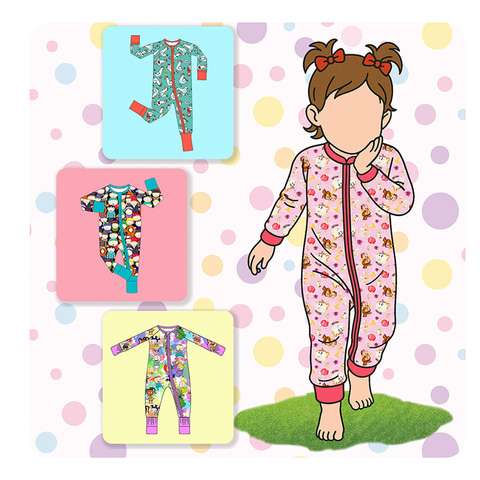
Engineering the Perfect Newborn Baby Footie: Precision in Fabric and Machinery
The manufacturing of newborn baby footies demands precision, expertise, and technological efficiency. With the ever-evolving textile industry, the focus on fabric density, GSM (grams per square meter), and industrial machinery has significantly impacted the production of these infant essentials. This article is tailored for businesses in the B2B sector, highlighting the core technical considerations and advancements defining this niche market.
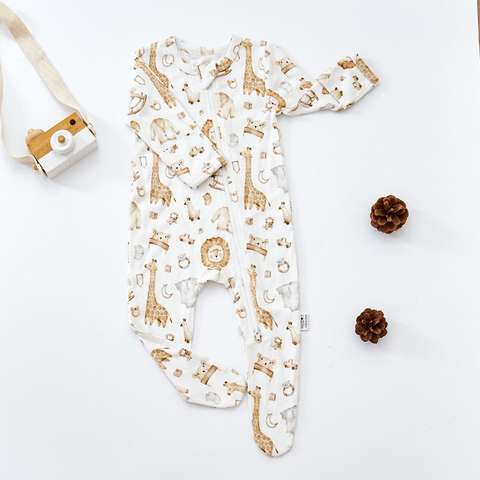
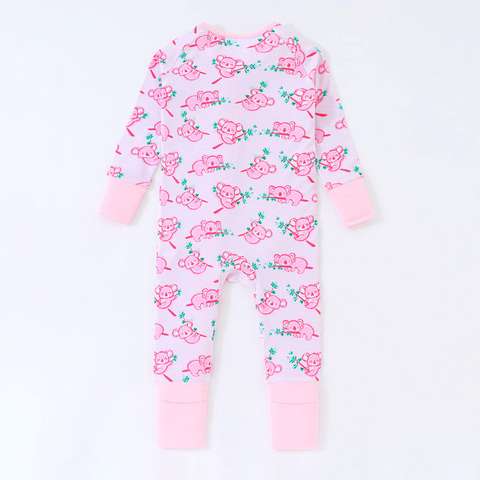
The Role of GSM in Newborn Baby Footie Manufacturing
GSM, or grams per square meter, is an essential metric when crafting newborn baby footies. This measure represents the weight of the fabric per square meter, thereby determining its thickness, softness, durability, and functionality. A balance in GSM is crucial for ensuring that the fabric is adequately soft for a newborn's sensitive skin while maintaining durability for repeated washing.
Typically, babywear calls for fabrics with a GSM range of 150 to 200, which provides a lightweight, breathable, and non-irritating texture. Fabrics with GSM below this range may lack durability and could lose their form after laundering, while higher GSM fabrics may feel too thick and uncomfortable for an infant. Choosing the right GSM, therefore, requires advanced testing and fabric optimization technologies.
Fabric Density and Its Implications
When engineers work on fabric selection for newborn baby footies, fabric density becomes another critical parameter. This dimension of fabric engineering not only influences the feel and durability of the garment but also impacts the level of warmth it provides. Fabrics with a higher density may be better suited for colder climates, while lighter, less dense materials offer breathability for warmer environments.
In terms of weave structure, knits are commonly used in baby footie manufacturing. Interlock knits or rib knits are popular due to their softness and elasticity, which is essential for providing a snug but non-restrictive fit. Additionally, advancements in textile machinery now enable precise control of stitch length and tension, ensuring that the fabric achieves consistent density across all batches.
Fabric blending is another factor to consider, with cotton often being combined with elastane to introduce stretch while maintaining the breathability of natural fibers. Organic cotton has also gained traction, particularly in premium babywear markets. However, blending and sourcing require precision planning, both in terms of raw material supply chains and processing capabilities.
Industrial Machinery: Driving Efficiency and Innovation
The production of baby footies has witnessed a paradigm shift over the last decade, thanks to advancements in industrial machinery. Modern textile machinery facilitates automation and precision, which results in higher productivity, reduced human error, and improved compliance with international safety and quality standards for baby products. Below are some machinery types having a significant impact on baby footie manufacturing:
Knitting Machines
Circular knitting machines have revolutionized baby footie production. These machines produce seamless fabrics, eliminating the need for seams that could irritate a newborn's sensitive skin. With computer-controlled settings, manufacturers can easily switch between different patterns, gauges, and knitting styles to align with different designs. These machines also ensure optimal fabric density and reliable recovery of the material, which is critical for baby garments that are frequently stretched and washed.
Cutting Machines
Precision cutting lies at the heart of efficient manufacturing. Automated laser cutting machines provide the accuracy needed to reduce material wastage and ensure consistency in fabric pieces required for baby footies. , laser cutting mitigates the risk of fraying along the edges, ensuring that the final product retains a professional finish. CNC (computer numerical control) cutting machines are widely used in factories for such purposes, especially where mass customization is demanded.
Sewing and Seam-Sealing Machines
Traditional sewing lines are being augmented or even replaced by advanced sewing and seam-sealing machinery. Flatbed or overlock sewing machines are commonly used in babywear due to the soft and finished appearance of stitches. A rising trend is the use of ultrasonic seam-sealing machines, which bond fabrics without the need for thread. This not only ensures a seamless, irritation-free garment but also caters to the demands for eco-friendly production processes by eliminating thread waste.
Additionally, machinery equipped with programmable logic controllers (PLCs) and IoT integration allows production lines to operate more efficiently, reducing downtime and supporting just-in-time manufacturing for B2B clients.
Automation and Sustainability in Baby Footie Production
As sustainability becomes a cornerstone in B2B manufacturing partnerships, the use of automated industrial machinery has become indispensable. Automation not only increases throughput efficiency but also allows for better resource optimization, which is integral to minimizing waste and energy consumption.
Many manufacturers are now implementing fully automated production lines where machines handle fabric feeding, knitting, cutting, sewing, and packaging. With artificial intelligence (AI) integration, these lines are capable of self-regulation, identifying defects in fabric or stitching, and making real-time adjustments to production parameters. This ensures that the final product meets the stringent quality metrics expected in baby clothing, while also reducing return rates or wastage.
, manufacturers are now exploring the use of eco-friendly dyes and finishes. Industrial dyeing machines with water-reduction technology are particularly beneficial for babywear, as they reduce environmental impact without compromising the brightness or durability of colors. When combined with digital printing technology, manufacturers can introduce custom patterns to their baby footies while minimizing the use of harmful chemicals.
: Engineering Excellence in Baby Footie Manufacturing
The production of newborn baby footies is a field that demands a perfect fusion of engineering precision, material science, and manufacturing innovation. From carefully calibrating GSM and fabric density to employing state-of-the-art industrial machinery, manufacturers must navigate technical complexities to ensure their products meet the highest standards of quality and safety.
B2B stakeholders looking to invest in baby footie production must prioritize partnerships with manufacturers who leverage the latest advancements in textile machinery and sustainable practices. By doing so, they can ensure optimized production processes, reduced overhead costs, and a final product that meets consumer expectations and global safety standards.
In the era of smart manufacturing and sustainability consciousness, the use of IoT-enabled machinery and eco-friendly materials will undoubtedly shape the future of this industry. Businesses that adopt these innovations will not only strengthen their market position but also contribute to creating superior products that parents can trust for their newborns.
| Fabric Type | Pima Cotton |
| Compliance | CPSIA Compliant |
| Customization | Bespoke |
| Lead Time | 37 Days |