Gots Organic Baby Rompers Cotton Cpc Certified Oem
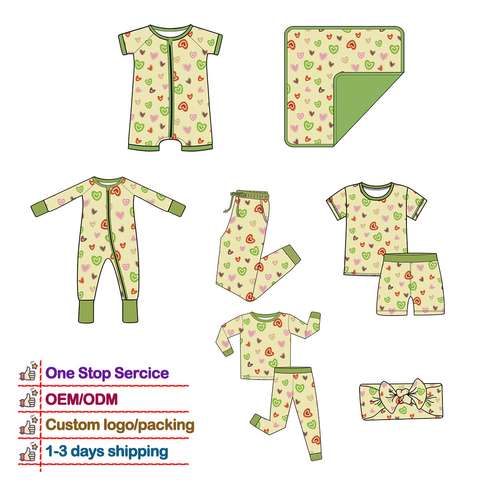
The Technical Perspective on Cotton Baby Rompers
Cotton baby rompers are a staple product in the textile and apparel industry, particularly in the babywear segment. With global demand rising, especially for high-quality, sustainable products, businesses must focus on the technical aspects of production to meet consumer expectations. This article delves deep into three critical factors in the production of cotton baby rompers: GSM (grams per square meter), fabric density, and the role of industrial machinery. By addressing these topics, we provide insights for manufacturers, designers, and textile engineers seeking to optimize both quality and productivity.
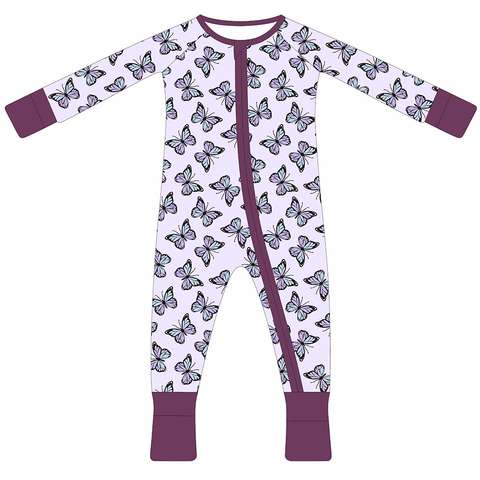
Understanding the Role of Cotton in Baby Rompers
Cotton remains the material of choice for baby rompers due to its softness, breathability, and hypoallergenic properties. However, selecting the right cotton fabric goes beyond choosing the fiber itself. The technical parameters—such as GSM and fabric density—determine how well the final product performs in terms of comfort, durability, and usability. This is particularly important for garments destined for infants, where safety and softness are non-negotiable.
Why GSM Matters in Cotton Baby Rompers
GSM, or grams per square meter, is a critical measurement in textile production. It determines the weight of the fabric relative to its area and is directly tied to how a baby romper feels and functions. For babywear, GSM typically falls in the range of 120-200, though this can vary depending on the desired characteristics of the garment.
Finding the Optimal GSM Range
Baby rompers require lightweight, breathable fabrics that are suitable for sensitive skin. As a result, manufacturers often aim for a GSM of 140-160. This range provides an ideal balance—a fabric in this range is dense enough to ensure durability while remaining light enough to maintain comfort.
The Impact of GSM on Comfort and Durability
Lower GSM fabrics (e.g., 100-130 GSM) are ultra-light and soft but may lack the structural integrity to withstand frequent washing and wear. Conversely, overly heavy fabrics (e.g., 180+ GSM) can compromise breathability, leading to overheating. Striking the right GSM balance not only ensures the garment is suitable for infant use but also affects consumer satisfaction and brand loyalty.
Fabric Density: Balancing Softness and Strength
In addition to GSM, fabric density plays a crucial role in baby romper production. Fabric density refers to the number of threads per unit area in a fabric and directly influences its tensile strength, appearance, and ability to maintain shape over time. Higher density fabrics consist of closely packed threads, resulting in smooth and durable materials.
Thread Count vs. Fabric Density
It’s common to use thread count as an indicator of fabric quality, but this can be misleading. A high thread count does not necessarily mean better quality. For baby rompers, the ideal thread count typically falls between 200 and 400, but the crucial consideration is how tightly the threads are interwoven. High-density fabrics that use compact weaving techniques provide superior durability and comfort.
Ensuring Fabric Safety for Baby Wear
Part of fabric density’s importance lies in its relationship to safety. Dense weaves make it more difficult for small fibers to shed. This reduces the risk of pilling and loose threads, which can be hazardous for infants. The texture of the fabric remains smooth, ensuring maximum safety alongside performance.
The Role of Industrial Machinery
The production of cotton baby rompers relies on advanced industrial machinery to ensure precision, efficiency, and cost-effectiveness. Manufacturing processes can range from spinning cotton fibers into yarn to final garment assembly. Below, we discuss three categories of industrial equipment critical to romper production.
Spinning and Weaving Machinery
The foundation of any high-quality fabric begins with yarn production. Open-end spinning machines and ring-spinning machines play central roles in creating the yarn used for baby rompers. For weaving, advanced looms such as air-jet or rapier looms are essential for producing high-density cotton fabrics with exceptional precision.
Knitting Machines for Cotton Blends
Many modern baby rompers utilize knitted fabrics due to their elasticity and softness. Circular knitting machines are widely used in the industry, enabling the efficient production of single jersey or interlock knit fabrics. These machines are optimized to handle cotton and cotton-blend yarns, ensuring consistent quality across batches.
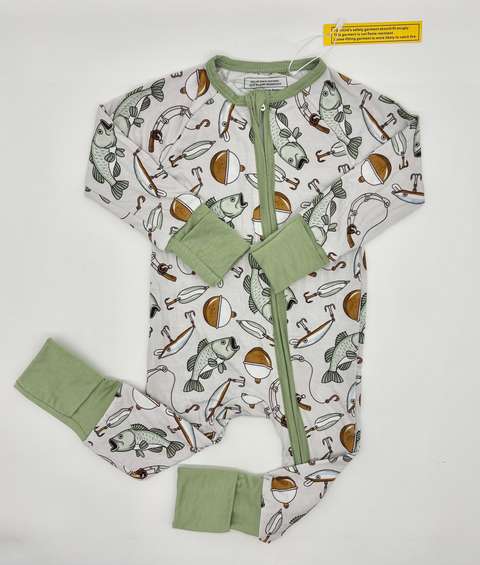
| Fabric Type | Pima Cotton |
| Compliance | GOTS Organic |
| Customization | Tailor-made |
| Lead Time | 18 Days |
Sewing and Finishing Equipment
Assembly and finishing processes rely heavily on automated sewing machines, such as overlock and flatlock stitchers, which ensure durability and a polished appearance. Advanced finishing machinery, including cutters and hem-folding machines, is indispensable for creating details such as snap fasteners or reinforced seams, both of which are crucial for baby romper aesthetics and functionality.
Key Considerations for B2B Partners
Businesses involved in the manufacturing, distribution, or sourcing of baby rompers should prioritize quality and cost-effectiveness by carefully evaluating their supply chain. Here are some technical considerations to bear in mind.
Sustainability and Organic Cotton
With consumers increasingly favoring sustainable and organic products, B2B companies must ensure access to organically certified cotton. Global standards such as GOTS (Global Organic Textile Standard) provide certifications that guarantee the cotton used meets sustainable farming practices without harmful chemicals.
Sourcing Efficient Machinery
Partnering with machinery suppliers that specialize in high-speed, energy-efficient equipment will reduce operating costs while enhancing production capacity. Manufacturers should also consider machinery that minimizes fabric waste, as even small reductions in waste add up to significant savings over large production cycles.
Fabric Testing and Compliance
Regular fabric testing ensures compliance with strict safety regulations for babywear. Testing for properties such as tensile strength, shrinkage, and pilling resistance is essential for delivering products that meet industry standards and consumer expectations.
: Perfecting the Art of Cotton Baby Rompers
Cotton baby rompers represent a unique nexus of comfort, safety, and quality—a combination achieved through careful attention to GSM, fabric density, and industrial machinery. By understanding the science behind these factors, manufacturers and suppliers can optimize their production processes, reduce waste, and improve product performance. In a competitive and ever-evolving market, investing in the right materials, technology, and partnerships is paramount for long-term success.
As the demand for sustainable, high-quality babywear continues to grow, businesses that master the intricacies of cotton romper production will have a significant competitive edge. Whether it’s sourcing organically grown cotton, utilizing state-of-the-art weaving machinery, or prioritizing fabric safety and density, technical excellence is key to thriving in this niche.