Baby Bamboo Clothes Wholesale Odm
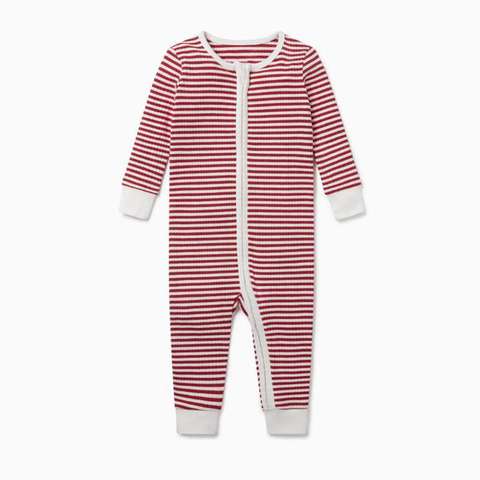
Guide to Baby Bamboo Clothes Manufacturing
The Advantages of Bamboo Fabric for Baby Clothes
| Fabric Type | Organic Bamboo |
| Compliance | ASTM F963 |
| Customization | Tailor-made |
| MOQ Policy | 100 PCS |
| Lead Time | 38 Days |
Bamboo fabric has gained popularity in recent years as a preferred material for baby clothes due to its unique properties. Soft, durable, and hypoallergenic, bamboo is an ideal choice for sensitive baby skin. Understanding GSM (Grams per Square Meter) and fabric density is crucial when selecting the right bamboo fabric for this purpose.
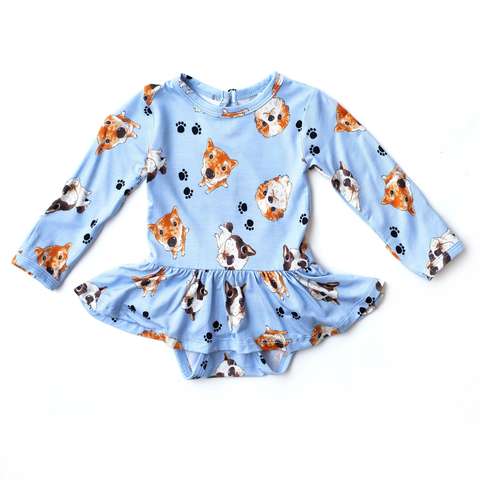
Understanding GSM and Fabric Density
GSM and fabric density play a critical role in determining the feel, weight, and durability of bamboo baby clothes. GSM is a measure of the fabric's weight and thickness. In baby clothes, a lower GSM often means a thinner fabric, which might be ideal for warmer climates or indoor environments, while a higher GSM suggests a thicker, warmer fabric better suited for cooler temperatures.
Choosing the Appropriate GSM
When selecting bamboo fabric for baby clothing, it is essential to choose a GSM that aligns with the intended use. For instance, a GSM of 150-200 is ideal for lightweight baby garments such as onesies and sleepers, while a GSM of 200-300 is suitable for heavier items like hoodies or pants.
Evaluating Fabric Density
Fabric density often correlates with durability and insulation properties. Higher density fabrics are typically more resilient and provide better thermal regulation, which is particularly beneficial for baby clothing. The density aspect ensures that the fabric maintains its shape and provides adequate warmth without adding bulk.
Importance of CPC/CPSIA Compliance
Compliance with CPC (Children’s Product Certificate) and CPSIA (Consumer Product Safety Improvement Act) is essential for manufacturers of baby bamboo clothes. These regulations ensure that products meet safety standards that protect babies from harmful substances and choking hazards.
CPC Certification Process
Obtaining CPC certification involves thorough testing to verify that the fabrics and finished products comply with safety and quality standards. This case-by-case analysis assesses chemical safety, flammability, and potential hazards, offering peace of mind to both manufacturers and consumers.
CPSIA Considerations
CPSIA regulates several key aspects including lead content, phthalate presence, and labeling requirements. Manufacturers must demonstrate compliance through third-party testing, ensuring absolute adherence to safety standards, which is critical when dealing with infant clothing.
OEM Advantages in Bamboo Baby Clothes Production
Partnering with an Original Equipment Manufacturer (OEM) offers significant advantages in the production of baby bamboo clothes. These partnerships provide expertise in efficient manufacturing processes, quality control, and innovation, which are instrumental in maintaining competitive edges.
Customization and Scaling
OEMs offer custom solutions that can accommodate specific design requirements and branding needs, facilitating scalability and consistency in production. This allows businesses to meet varying market demands without compromising on quality.
Access to Advanced Industrial Machinery
OEMs are equipped with state-of-the-art industrial machinery optimized for bamboo fabric processing, ensuring high precision and productivity. These technological assets enable manufacturers to maintain superior fabric quality and efficiency, significantly reducing wastage.