Odm Christmas Kids Clothes For Summer Bespoke Factory
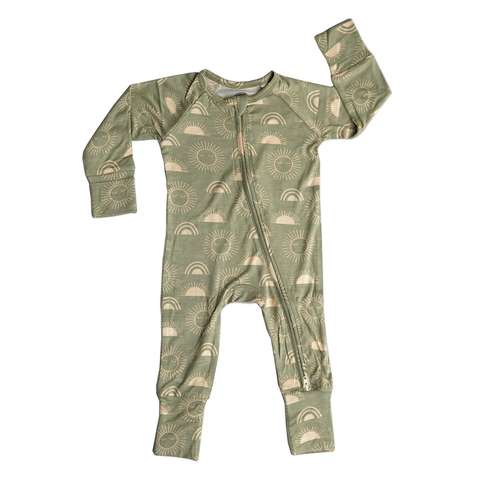
Reimagining Christmas Kids' Clothes for Summer: Balancing Comfort, Design, and Efficiency
Traditionally, Christmas-themed clothing conjures images of warm, cozy fabrics designed to protect against winter chills. However, in regions where Christmas falls during summer or for global markets demanding year-round seasonal themes, manufacturers face the challenge of adapting Christmas kids' clothing to warmer climates without compromising on aesthetics or comfort.
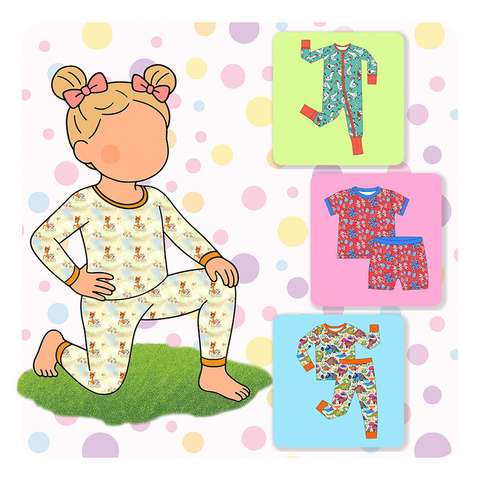
This article delves into the technical details behind producing lightweight Christmas-themed kids' garments, focusing on GSM (grams per square meter), fabric density, and industrial machinery. These factors are critical in ensuring the optimized production of durable yet air-permeable garments that meet industry standards.
Understanding GSM and Its Role in Summer Kids' Clothes
GSM, or grams per square meter, is one of the most essential measures in textiles. It determines the weight and thickness of fabric. For summer-focused kids' garments, striking the right GSM is vital to provide adequate breathability and comfort while still achieving the design specifications necessary for Christmas-themed aesthetics.
The Impact of GSM on Fabric Selection
Summer garments typically require fabric within the range of 100 to 180 GSM. For children's clothing, particularly for active wear or casual garments, staying on the lower end of this range ensures lightness and flexibility. Some common fabric choices include lightweight cotton (GSM 120–150) or cotton blends such as cotton-polyester or rayon.
For Christmas-themed summer garments, integrating aesthetic elements such as embroidery, prints, or embellishments requires striking a balance — a fabric that is lightweight yet strong enough to support decorative details without losing shape or tearing under stress.
Testing GSM for Quality Control
During production, GSM testers and precision scales assess each bolt of fabric for consistency. Standards dictate that variations in GSM remain minimal to ensure a uniform product line. Manufacturers employing automated cutting and sewing machinery also rely on consistent GSM measures to calibrate their machines effectively and avoid production inefficiencies.
Fabric Density’s Role in Performance and Longevity
Fabric density refers to the number of threads or yarns compacted within a unit area of fabric, intertwined with GSM to influence the garment’s performance. For summer-specific designs, especially for kids' clothes where movement and durability are concerns, manufacturers aim for fabrics with optimized thread density.
Ensuring Breathability Through Lower Thread Count
While higher thread densities contribute to stronger fabrics, they often reduce a garment’s ability to manage thermal regulation. Fabrics with a thread count in the lower to mid-range allow for adequate air circulation, an important factor when creating garments for children in hot climates.
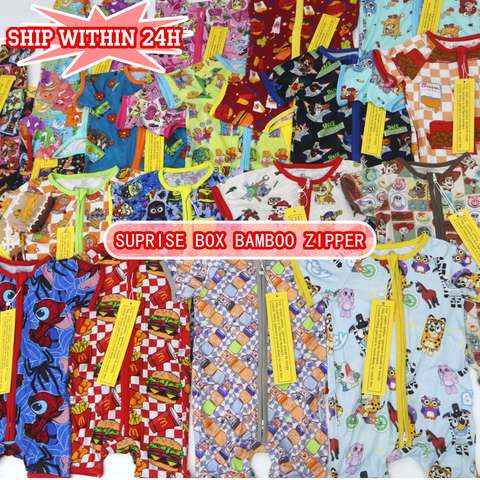
Cotton, muslin, and certain polyester blends offer lower density options ideal for the production of Christmas-themed summer clothes. Innovative processes, such as creating perforated patterns or open-knit designs, also amplify breathability while retaining festive appeal.
Balancing Durability with Lightweight Fabrics
Kids’ clothing must endure considerable wear and tear. While lower fabric density is crucial for summer attire, it can also weaken the material’s resistance to strain. To counteract this, industrial manufacturers often reinforce seams and use double-needle stitching techniques. Additionally, treatments like enzyme washing or silicone finishing can soften the fabrics while boosting tensile strength.
Industrial Machinery: Precision and Innovation
The manufacture of Christmas-themed summer kids' clothes depends heavily on cutting-edge industrial machinery. Every stage — from fabric preparation to final assembly — requires precise adjustments tailored to lightweight materials and intricate seasonal designs.
High-Speed Circular Knitting Machines
Circular knitting machines play a critical role in producing breathable yet stretchable fabrics. These systems allow for bulk production of lightweight knits suitable for kids' garments, ensuring precision in fabric density while meeting high-volume demands. Advanced sensors and automation improve efficiency by detecting thread inconsistencies instantly.
Digital Fabric Printers for Festive Designs
For Christmas-themed aesthetics, digital printing has become a mainstay in the textile industry. Digital printers enable high-resolution festive imagery on lightweight fabrics without adding excessive weight or impairing breathability. Sublimation printing is often recommended for polyester-based blends, while reactive digital printing is more suited to cotton fabrics.
Cutting Machines for Efficiency and Accuracy
Laser or precision blade cutting machines excel at handling lightweight fabrics without causing fraying or distortion. Patterns involving intricate Christmas motifs (e.g., stars, trees, or snowflakes) can be pre-programmed, allowing for high replication accuracy at scale. Automated nesting systems optimize material yields, reducing fabric waste during cutting.
| Fabric Type | Organic Bamboo |
| Compliance | GOTS Organic |
| Customization | Bespoke |
| Lead Time | 33 Days |
Automatic Sewing Stations
Modern sewing stations equipped with programmable logic controllers (PLCs) offer unmatched consistency and speed. Pressure and tension settings are crucial when working with lightweight materials to avoid puckering or damage. Advanced models incorporate embroidery units to seamlessly stitch festive designs directly onto garments.
: A New Frontier in Seasonal Apparel Manufacturing
Manufacturing lightweight Christmas-themed kids' clothing for summer markets is a fine balancing act. By understanding and leveraging GSM, fabric density, and industrial machinery, manufacturers can craft garments that are comfortable, durable, and visually appealing. The use of innovative technologies, from high-speed knitting machines to precision cutting systems, ensures efficiency while maintaining the highest quality standards.
As demand grows for climate-appropriate seasonal wear, the industry must continue evolving materials and production methods. By emphasizing both form and functionality, manufacturers position themselves at the forefront of a niche yet expanding market: the intersection of holiday cheer and summer comfort.