Bespoke Baby Rompers Long Sleeve Pajama Toddler Pajamas Private Label Oem
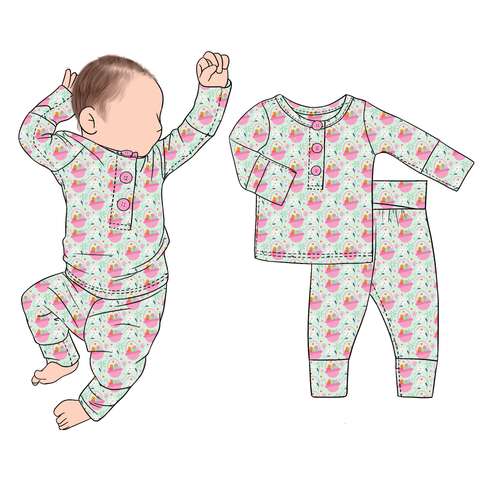
The Science Behind Baby Rompers: GSM and Fabric Density Explained
Baby rompers, especially long sleeve toddler pajamas, are essential pieces of clothing that strike the perfect balance between comfort, durability, and safety. To manufacture high-quality garments, it is crucial to understand the foundational principles of fabric GSM (grams per square meter), fabric density, and the industrial machinery used in the production process. This article dives into the engineering intricacies behind creating the perfect baby romper and ensures these garments meet the rigorous standards needed for sensitive baby skin while holding up to wear and tear.
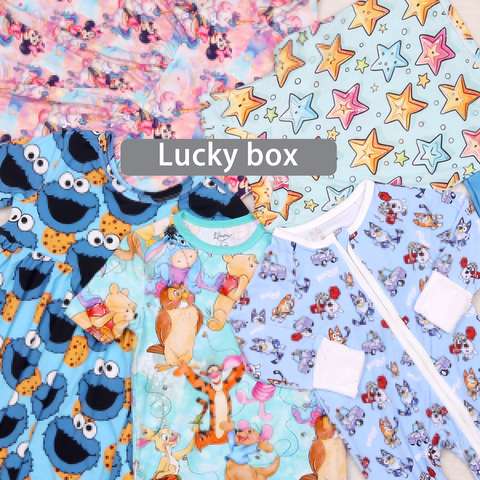
Understanding GSM and Its Role in Baby Rompers
GSM, or grams per square meter, is one of the most critical factors in determining the quality and feel of any fabric. GSM essentially measures the weight of the material per square meter of fabric. For baby rompers and toddler pajamas, choosing the right GSM is vital since it affects comfort, breathability, and durability.
Generally, fabrics with lower GSM (<150) are lighter and more breathable, making them suitable for warmer climates. Meanwhile, higher GSM fabrics (>220) are thicker, cozier, and perfect for colder environments. The sweet spot for baby rompers typically lies between 160 and 200 GSM. This range provides an ideal balance between warmth and breathability, ensuring toddlers stay comfortable throughout different seasons.
Fabric Density: The Strength and Comfort Balance
Fabric density refers to the number of threads packed per inch in the weave of the fabric. While GSM is about weight, fabric density focuses on the texture, softness, and durability of the material. Fabrics with higher densities are smoother, thicker, and more robust, making them resistant to tearing, which is especially important for active toddlers.
For baby rompers, higher fabric densities also contribute to better insulation and more consistent wear. Typically, organic cotton with a thread density ranging between 180 to 300 threads per square inch offers the perfect blend for these garments. Manufacturers must carefully select fabrics to maintain an ideal density-GSM ratio for baby pajamas to ensure they are soft, pliable, and suitable for delicate baby skin.
Industrial Machinery in Baby Romper Production
Producing baby rompers and toddler pajamas on an industrial scale requires specialized machinery to meet demand while maintaining precision. Modern industrial machines have revolutionized fabric cutting, blending, stitching, and finishing processes. Below is an overview of the machinery that plays a vital role in manufacturing long sleeve baby rompers:
1. Circular Knitting Machines: Circular knitting machines are used to produce looped knit fabrics often found in baby pajamas. These machines are ideal for creating soft and stretchable threads commonly used in rompers. They effectively process cotton fibers into tight-knit materials, which work perfectly for sensitive skin.
2. Digital Fabric Cutting Machines: Cutting the fabric accurately is critical for mass production. Automated cutting machines employ laser or blade-based technology to produce exact fabric patterns with little to no wastage. The precision ensures each baby romper is made with consistent dimensions, improving efficiency.
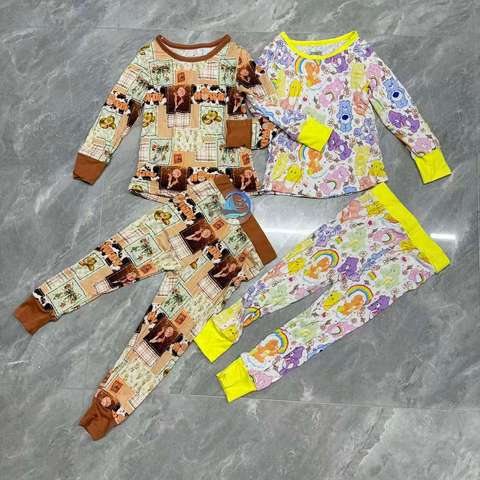
3. Overlock Stitching Machines: Baby rompers require secure stitching to hold up against frequent movements by toddlers. Overlock stitching machines reinforce seams and edges with durable stitch types designed to prevent fraying and unraveling. These machines improve garment longevity while maintaining softness.
4. Automated Textile Printers: Graphics, colors, and designs are integral to toddler pajamas. High-end automated textile printers create vibrant patterns that remain intact after multiple washes. The printing process typically uses eco-friendly dyes to ensure suitability for baby products.
5. Finishing Machines: To enhance the feel and aesthetic appeal of the fabric, finishing machines apply specific treatments like brushing or softening processes. These treatments ensure the pajamas feel cozy, soft, and smooth against baby skin while also enhancing the visual uniformity of the rompers.
The Role of Material Engineering in Baby Romper Manufacturing
Beyond mere fabric selection, material engineering plays a crucial role in ensuring these garments exceed safety and comfort standards. Special coatings and treatments are often integrated into the fabric to deliver enhanced benefits:
| Fabric Type | Pima Cotton |
| Compliance | CPSIA Compliant |
| Customization | ODM |
| Lead Time | 33 Days |
- Anti-Bacterial Coatings: Infusing materials with anti-bacterial properties prevents irritation, rashes, or infections, ensuring safer clothing for babies.
- Moisture-Wicking Properties: Advanced moisture-wicking treatments keep toddlers dry by absorbing sweat and preventing the fabric from clinging to their skin.
- Stretch Optimization: Adding spandex or elastane threads ensures the pajama material stretches without tearing, especially during active play. Stretch optimization technology provides excellent freedom of movement.
Quality Control in Baby Romper Production
Manufacturing baby rompers requires rigorous quality control procedures to ensure the garments meet industry standards for comfort, safety, and durability. From fabric inspection to seam testing, quality control is performed at every stage of production for risk mitigation and higher customer satisfaction.
GSM and Fabric Density Testing
Specialized fabric inspection equipment is deployed to measure GSM and ensure it aligns with predefined specifications. Microscopic analysis verifies density values, determining if the threads are evenly distributed without loose spots. Any inconsistencies are flagged early in the production cycle to ensure uniformity and prevent wastage.
Seam Stress and Durability Tests
Seam testing involves applying calculated tension to stitched areas to ascertain durability. Baby rompers are subjected to stress simulations mimicking real-life scenarios, from tugging to excessive bending. These tests ensure robustness while retaining elasticity.
Sustainability in the Production Process
As demand for eco-friendly products rises, sustainability in baby romper manufacturing becomes increasingly significant for B2B enterprises. Textile manufacturers are adopting greener practices, such as using organic cotton, biodegradable dyes, or recycling textile waste. Implementing sustainable manufacturing strategies not only reduces environmental impact but also ensures compliance with global regulations.
, machinery innovation has enabled reduced power consumption. Energy-efficient industrial equipment optimizes the production process without compromising speed or output quality. B2B partnerships that emphasize eco-conscious production are gaining competitive advantages in various markets.
Collaborative Efforts Between B2B Stakeholders
To develop sustainable premium-quality baby rompers, collaboration between garment manufacturers, textile engineers, designers, and distributors plays a key role. B2B stakeholders share vital data on regional demands, environmental compliance standards, and emerging trends, paving the way for better production routines and improved garment offerings.
Baby rompers, particularly long sleeve toddler pajamas, are engineering marvels that combine material science, fabric manufacturing, and industrial machinery. A focus on GSM, fabric density, and high-quality production machinery guarantees garments that prioritize toddler comfort and durability. As technology evolves, sustainability and innovation continue to drive advancements in these essential garments, offering manufacturers and distributors a powerful foothold in competitive markets.