Private Label Bamboo Pajamas Mom And Baby Oem Manufacturer

The Importance of GSM and Fabric Density in Bamboo Pajamas for Mom and Baby
Bamboo pajamas have gained significant traction in the textile industry due to their sustainability, comfort, and unique properties that make them ideal for mothers and babies. In producing high-quality bamboo pajamas, two crucial factors come into play: GSM (grams per square meter) and fabric density. Understanding these technical aspects can help businesses optimize manufacturing processes, ensuring the perfect balance between softness, durability, and breathability. , industrial machinery plays a vital role in achieving consistency and scalability in production.
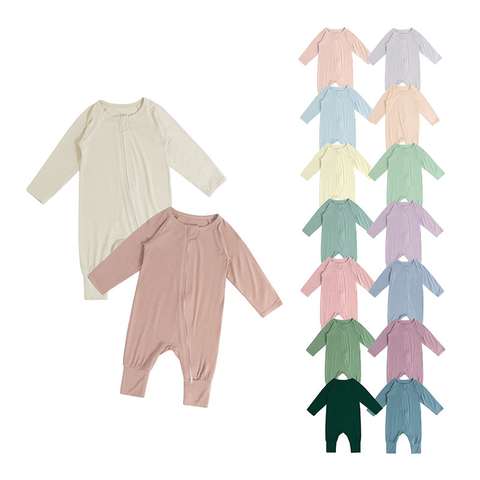
Optimal Fabric Density for Bamboo Pajamas
Fabric density is a cornerstone of textile engineering. It refers to the number of yarns or fibers tightly packed into a given area of fabric. Higher density typically translates into greater durability, whereas lower density enhances softness and breathability. For bamboo pajamas, particularly those designed for the sensitive skin of infants and mothers, achieving the ideal fabric density is crucial.
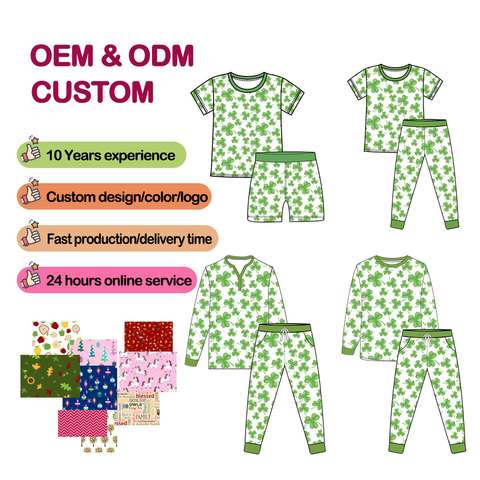
Sensitivity Considerations for Baby Skin
Bamboo fabrics are naturally hypoallergenic and smooth, making them ideal for baby pajamas. However, ensuring proper fabric density affects skin comfort. A density that's too high may lead to rigidity, while fabrics that are too loose can compromise durability—key for garments that will be frequently washed. Engineering the right density involves creating a balance between softness and resilience by precisely selecting yarn count and weave methods.
Moms' Preferences: Balancing Comfort with Performance
For mothers, preferences lean toward pajamas that feel like second skin while offering excellent temperature regulation and moisture-wicking properties. Bamboo fibers excel in these parameters, but fabric density controls how breathable the final garment is. Bamboo's micro-gaps enable thermal regulation, ensuring the pajamas are comfortable during both warm and cool nights. Industrial machinery, such as weft knitting machines, allows manufacturers to adjust fabric density with precision.
Impact of Fabric Density on Sustainability
Fabric density doesn’t just impact product performance—it also has a direct influence on sustainability. Lower-density fabrics require less raw material, but they might not last as long. Higher-density options, while durable, require more bamboo fiber input, making resource use critical. By leveraging advanced machinery, manufacturers can strike an optimal balance to produce durable bamboo pajamas without unduly increasing material consumption.
The Role of GSM in Bamboo Pajama Production
When speaking about bamboo textiles and pajamas, GSM (grams per square meter) is an essential parameter—it signifies the fabric’s weight and gives insight into how heavy or lightweight the material is. GSM measurements are crucial for defining the feel, durability, and thermal performance of the garment, especially for mom-and-baby pajamas.
GSM Variations for Seasonal Comfort
For pajama production, the GSM range is meticulously tailored to suit seasonal needs. Bamboo fabrics with lower GSM are ideal for warmer seasons, as they are light and breathable. Conversely, higher GSM fabrics can be perfect for cooler months, offering warmth without the bulk. Achieving appropriate GSM levels during production requires machinery capable of precision fiber blending and fabric weighing.
GSM in Baby Pajamas: Softer Yet Functional
Babies are particularly sensitive to the texture and warmth of the fabric against their delicate skin. Bamboo pajamas with a GSM below 140 are typically preferred for babies as they provide a feathery softness while allowing adequate airflow to keep the baby dry and comfortable. Exact GSM calibration is made possible through machinery that measures fabric weight during manufacturing processes, ensuring quality control across production batches.
Moms’ GSM Preferences for All-Day Wear
For moms, pajamas require a slightly higher GSM for reasons of personal preference and fabric durability. Bamboo pajamas for adults in the range of 180-250 GSM provide both the stretch and stability needed for increased wearability throughout the day. GSM adjustment on high-performance knitting machines ensures output meets these specifications while scaling production efficiently.
The Role of Industrial Machinery in Bamboo Pajama Manufacturing
The manufacturing of bamboo pajamas demands sophisticated and specialized machinery to turn raw bamboo fibers into wearable textiles. From the extraction of bamboo pulp to the final weaving or knitting process, machinery plays a pivotal role in maintaining control over GSM, fabric density, and product quality.
Machinery for Bamboo Fiber Processing
The process begins with bamboo fiber extraction machinery, where raw bamboo is mechanically spun into a pulp and converted into fibers. Extruders process these fibers into usable threads. This step lays the foundation for controlling basic fiber characteristics such as flexibility, breaking strength, and moisture retention.
Weaving and Knitting Machinery
Once bamboo fibers are prepared, industrial looms and knitting machines transform them into fabrics with the desired GSM and density specifications. Circular knitting machines are indispensable for creating stretchable bamboo textiles required for pajamas. By configuring these machines appropriately, product engineers can control variables such as thread tension and pattern type.
Inspection Systems Boosting Quality Control
Incorporating advanced inspection systems within machinery helps identify defects early in production. These systems utilize sensors and AI algorithms to detect issues related to GSM inconsistencies or deviations in fabric density. Automated defect scanners assist in minimizing waste while ensuring delivery of quality bamboo garments to retailers and customers.
| Fabric Type | Organic Bamboo |
| Compliance | GOTS Organic |
| Customization | Bespoke |
| Lead Time | 40 Days |
Bamboo Pajamas for Mom and Baby: Balancing Form and Function
The market for bamboo pajamas is growing with an increasing focus on eco-friendly manufacturing. For moms and babies, this means creating garments that excel both functionally and aesthetically. Ensuring the proper GSM and fabric density not only achieves these goals but also strengthens brand reputation in a competitive, sustainability-focused market.
Durability Meets Sustainability
One significant advantage bamboo garments possess is their durability, even at lower GSM levels. Yet, this relies on the precision of machinery in fiber-blending techniques and fabric production methods. Manufacturers able to optimize GSM and fabric density minimize environmental impact while offering long-lasting products.
Temperature Regulation and Comfort
Bamboo has inherent micro-ventilation properties due to its cellular structure. By leveraging advancements in machinery, manufacturers can further boost thermal performance by optimizing GSM and fabric density. Whether it’s in providing breathable baby pajamas or all-season mom apparel, advanced manufacturing techniques ensure satisfaction for end-users.
Industry Compliance and Standards
Bamboo textiles, particularly those targeting moms and babies, must meet stringent industry standards. Compliance involves not just GSM and density specifications but also manufacturing practices, sustainability certifications, and product safety checks. This is another area where modern industrial machinery equipped with compliance algorithms assists in maintaining regulatory standards.
The Future of Bamboo Pajama Production for Mom and Baby
Advancements in textile engineering promise further innovation in bamboo fabrics, focusing on optimizing GSM and fabric density alongside greater automation in industrial machinery. As demand for sustainable children’s and women’s sleepwear increases, manufacturers with robust technical frameworks will lead the future market.
Scalability in Bamboo Textile Production
Industrial machinery capable of scaling production without compromising quality will be the cornerstone of bamboo textile manufacturing for mom-and-baby products. By incorporating continuous feedback systems and AI-based monitoring, manufacturers can continually improve fabric density and GSM ratios.
Integrating Smart Technology
Smart machinery with real-time adjustments in fabric weaving and knitting will redefine bamboo textile manufacturing processes. Intelligent control systems will independently calibrate fabric density and GSM, reducing the need for manual intervention and ensuring consistency in output.
Sustainability at Scale
As consumer preferences lean toward eco-sensitive choices, manufacturers focusing on bamboo textiles face challenges in balancing sustainability and scalability. Industrial machinery innovations that reduce raw material waste while maintaining GSM and density specifications will pave the way to more sustainable production practices.
The future of bamboo pajama production lies in an engineering-based approach. Businesses that understand the interplay of GSM, fabric density, and the capabilities of industrial machinery will build strong consumer relationships by offering reliable, eco-friendly, and expertly crafted bamboo pajamas for mom and baby.