Bespoke Baby Zipper Onesies With Mittens Oekotex 100 Oem
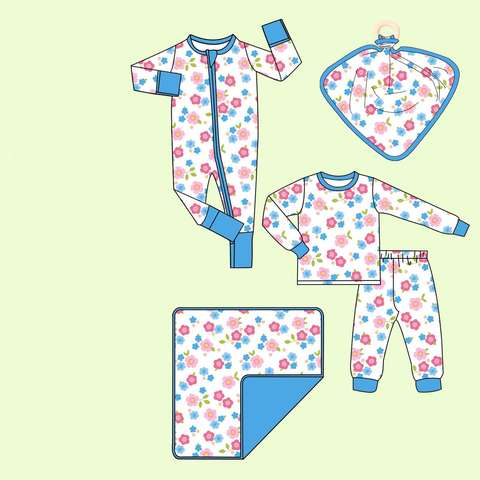
Baby Zipper Onesies with Mittens: Premium Manufacturing for Comfort and Durability
Baby zipper onesies with mittens are a hallmark of care and functionality in the baby apparel industry. These thoughtfully designed garments must balance superior comfort with safety and durability, making every manufacturing step critical. Technical standards such as fabric GSM (grams per square meter), material blend, and finishing processes play a pivotal role in meeting these requirements. Additionally, sourcing and operating specific industrial machinery is essential to achieve competitive pricing and high-quality output.
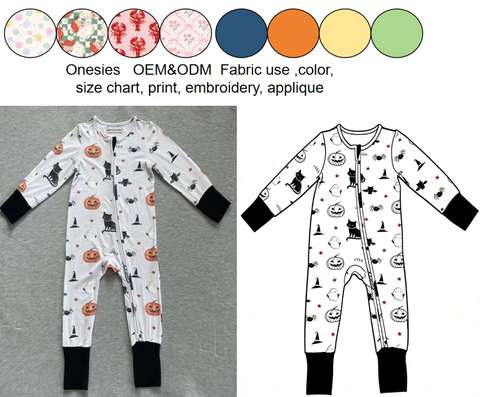
Understanding GSM and Its Role in Baby Onesie Manufacturing
GSM, or fabric density, is one of the most critical factors in assessing fabric quality and suitability for baby zipper onesies with mittens. GSM represents the weight of the fabric per square meter and directly impacts the comfort, durability, and performance of the fabric.
For baby onesies, an ideal GSM typically ranges between 160 and 220, depending on the desired characteristics. Lower GSM fabrics provide lightweight, breathable garments, suitable for warmer climates, but might compromise on durability. Conversely, higher GSM fabrics ensure sturdiness and warmth, which are essential for cooler climates. Textile engineers must select the perfect GSM to balance these factors and ensure the onesie is soft, supple, and comfortable for baby's sensitive skin.
To achieve this, manufacturers often rely on a blend of natural and synthetic fibers, such as organic cotton and elastane, combining the softness of natural fibers with the stretch and resilience of synthetics.
Fabric Blends and the Importance of Material Composition
The material composition of baby zipper onesies with mittens is directly connected to their performance. A standard material choice is a blend of 95% organic cotton and 5% elastane. Cotton provides breathability, hypoallergenic benefits, and softness, while elastane offers flexibility and durability. This specific composition supports both the functional and aesthetic aspects of the garment.
The stretch provided by elastane is particularly crucial for ensuring a snug but comfortable fit, while the high cotton content allows heat and moisture regulation. Parents often prioritize these qualities when choosing garments for infants. Additionally, such a blend can withstand frequent laundering without significant wear, a vital feature for baby products.
Another consideration is the yarn count and knitting technique. Circular knitting machines are typically used in the production of jersey fabrics for onesies, as they create a stretchy, smooth texture. Minimizing seams through advanced knitting machines enhances comfort and reduces skin irritation.
Industrial Machinery for Precision and Efficiency
High-end manufacturing of baby zipper onesies with mittens requires specialized industrial machinery to ensure consistent quality and to meet production KPIs. Some of the most critical pieces of equipment include the following:
1. Circular Knitting Machines
These machines are fundamental for producing the stretchable, soft fabrics commonly used in baby onesies. Advanced circular knitting machines offer customization options for GSM control and fabric density, ensuring tight tolerance in material specifications.
2. Gerber Cutting Machines
Precision is non-negotiable when dealing with infant wear. Gerber cutting machines execute cuts with high accuracy, avoiding waste and meeting the standard size and material requirements. The efficiency of automated fabric cutting ensures fewer errors and a high yield from raw materials, critical for scaling production economically.
3. Flatlock Sewing Machines
Flatlock sewing machines are instrumental in reducing bulk at seams and creating a clean, flat finish. For baby garment manufacturing, this is particularly advantageous in minimizing irritation on delicate baby skin. These machines work well with blended fabrics to provide durable, smooth seams.
4. Heat Transfer Presses
Machinery like heat transfer presses is essential for finishing processes, including the application of labels and embellishments. This ensures that no harmful sewing tags are applied to baby garments, reducing risks of irritation while maintaining compliance with safety standards.
Sustainability Considerations in the Manufacturing Process
As businesses and consumers alike become more environmentally conscious, sustainability has become a key factor in production planning. Baby garments, in particular, benefit significantly from the use of sustainable fabrics and processes. Organic cotton, grown without harmful pesticides, ranks as the top fabric choice in sustainable baby apparel production.
Waste reduction is another area of focus. Implementing automated cutting machinery can drastically reduce fabric waste, while recycling programs for fabric scraps further enhance sustainability metrics. Industrial machinery advancements have made it possible to incorporate these eco-friendly practices without compromising efficiency or quality.
Additionally, dyes and finishes applied must adhere to non-toxic, water-based formulations to ensure no harmful chemicals come into contact with the baby’s skin. Regulatory compliance with standards like OEKO-TEX® and GOTS (Global Organic Textile Standard) offers a competitive advantage to manufacturers in the baby apparel sector.
: Technological Precision Meets Practical Design
Manufacturing baby zipper onesies with mittens requires a seamless integration of science, technology, and practicality. From understanding GSM and fabric composition to deploying advanced machinery and incorporating sustainable practices, every step is a blend of engineering precision and empathy for the end-user: infants. By prioritizing these elements, B2B manufacturers can streamline production, meet stringent quality standards, and cater to a rapidly growing market demanding safe, durable, and sustainable baby apparel.
| Fabric Type | Pima Cotton |
| Compliance | CPSIA Compliant |
| Customization | ODM |
| Lead Time | 33 Days |