Oekotex 100 Star Bamboo Kid Pajama Cpsia Compliant Oem
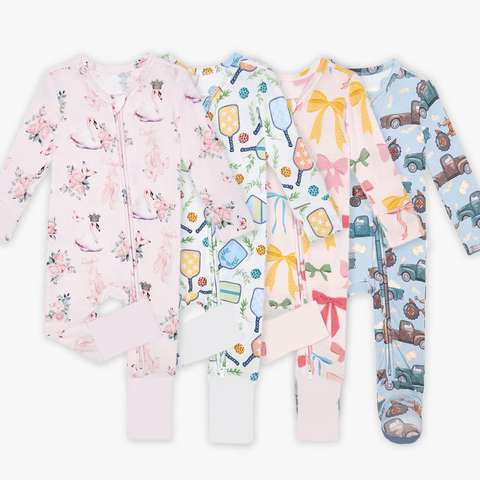
The Role of GSM in Star Bamboo Kids Pajamas
When it comes to the manufacture of high-quality kids' pajamas like the "star bamboo kid pajama," one of the key considerations for producers is the fabric's GSM (grams per square meter). GSM is critical in determining the weight, durability, and comfort of the fabric used, and it plays a vital role in ensuring that the final product meets industry-specific standards as well as consumer expectations.
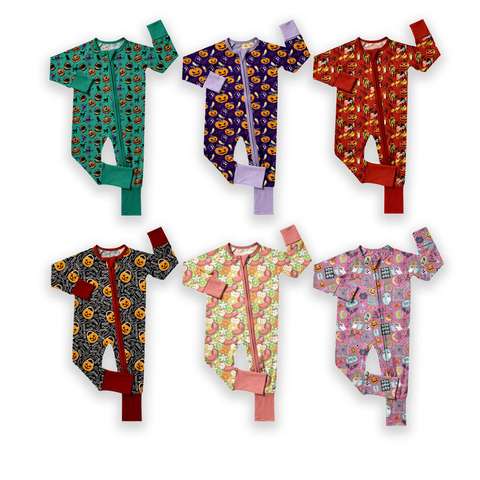
GSM, as a unit of measurement, defines the density of fabric, indicating its weight in grams for every square meter. This measurement directly impacts the tactile feel and thermal properties of the pajamas, vital factors for the children who wear them. A lower GSM results in lightweight fabric suitable for warmer climates, while a higher GSM produces a denser, more insulating fabric ideal for cooler temperatures. For bamboo-derived fabrics intended for kids' pajamas, an optimal GSM range usually sits between 150 and 300, offering breathability, comfort, and sufficient thickness to maintain durability.
The Influence of GSM on Comfort
For kids, comfort is paramount, and garments need to address both physical and dermatological needs. Bamboo fabric is renowned for its soft texture, and when combined with the right GSM range during manufacturing, these pajamas achieve a luxuriously soft yet durable feel. With children being more sensitive to rough textures and heavy materials, a moderate GSM ensures the pajamas remain feather-light while still sturdy enough to withstand repeated washes and wear.
GSM as a Quality Assurance Metric
In industrial manufacturing settings, testing the GSM of bamboo fabric is crucial to maintaining quality consistency. This is often performed using GSM cutters and electronic balances to ensure every batch adheres to the pre-defined density standards. By maintaining uniform GSM values across the production process, manufacturers can ensure that the star bamboo kid pajama delivers consistent quality to B2B buyers, reducing rejects and fostering long-term partnerships between manufacturers and retail or wholesale customers.
Fabric Density and Its Importance in the Production of Kids Pajamas
Fabric density, closely tied to GSM, is another fundamental factor when developing children’s sleepwear. It refers to the amount of fabric content within a specific area, typically measured in terms of threads per inch (TPI). For kids' wear, especially pajamas, the density must strike a delicate balance between being breathable and being robust enough to endure active wear and washing cycles.
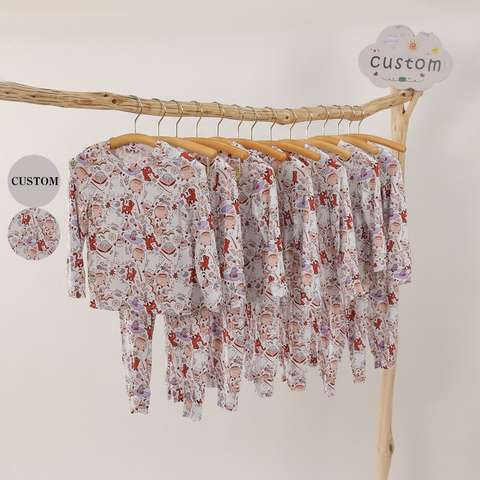
Why Choose Bamboo for Kids Pajamas?
Bamboo fabric has gained substantial traction in recent years due to its many natural advantages, particularly when used in children's clothing. Bamboo fibers are known for their moisture-wicking properties, anti-bacterial characteristics, and hypoallergenic traits—all significant factors for kids with sensitive skin or allergies. Besides, bamboo is sustainable and environmentally friendly, making it a preferred material in industries focused on eco-conscious manufacturing practices.
In the context of star bamboo kid pajamas, the fabric density ensures durability without compromising softness. Bamboo’s unique fiber structure allows for the creation of dense weaves without the material feeling stiff or heavy. This translates to garments that comfortably fit young children while standing up to the rigors of daily use.
Testing and Maintaining Optimum Fabric Density
The production of kids’ pajamas requires strict adherence to fabric density requirements during weaving. State-of-the-art industrial machinery is utilized to achieve these precise specifications. A well-calibrated loom or knitting machine ensures that the resulting material is both consistent and up to standard.
Manufacturers routinely test fabric density using specialized TPI counters or digital tools to confirm accuracy. For B2B clients, such as retailers or distributors, consistent fabric density ensures that style, fit, and durability remain unwavering across different production runs. This further contributes to a positive brand reputation among end consumers and enhances manufacturer-client relationships.
Industrial Machinery in the Production of Bamboo Kids Pajamas
The manufacture of star bamboo kid pajamas hinges on the efficacy and sophistication of industrial machinery. Each stage of production—from fiber extraction to final garment assembly—is facilitated using purpose-built machines that optimize efficiency while preserving the inherent qualities of bamboo fabric.
Fiber Processing and Spinning
The first step in creating the star bamboo kid pajama begins with processing raw bamboo. Industrial machinery such as steam boilers and shredders break down bamboo stalks into cellulose, which is subsequently processed into fiber. This transition is highly technical and must be meticulously managed to maintain the inherent softness and durability of the material.
The spinning of bamboo yarn also requires advanced machinery capable of creating various thread weights and textures to meet GSM requirements. These machines are programmed to work within tight tolerances, ensuring that no inconsistencies arise in the yarn used for weaving the pajamas’ fabric.
Weaving and Knitting
Weaving or knitting the bamboo yarn into fabric is another critical step in the industrial production process. Modern weaving machines, such as air-jet looms or circular knitting machines, play a vital role in determining the fabric’s density and physical properties. These machines allow for precise control over the tightness of the weave or knit, yielding a material that meets both GSM and density specifications required for kids' pajamas.
| Fabric Type | Organic Bamboo |
| Compliance | GOTS Organic |
| Customization | ODM |
| Lead Time | 37 Days |
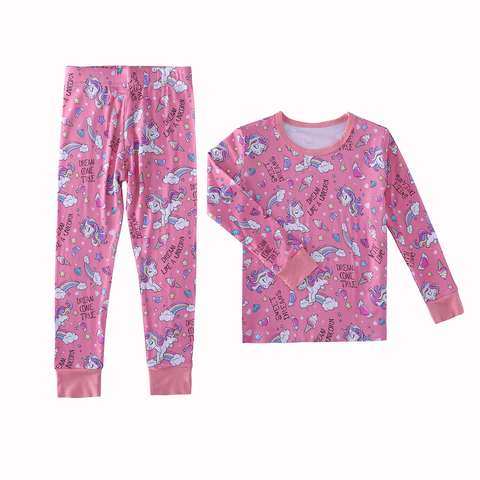
Automated quality control features on these machines ensure there are no skipped threads, uneven patterns, or defects in the woven fabric. For high-end products like the star bamboo kid pajama, even minor defects could result in returns or negative feedback, so preventative measures at this stage are essential.
Fabric Finishing and Garment Assembly
After the fabric has been woven or knitted, it undergoes finishing processes such as dyeing, washing, and cutting. Each of these stages typically relies on a separate set of industrial machinery. For example, paddle-dye machines ensure even and vibrant color distribution on bamboo fabric, while automated cutters create consistently sized pieces for batch assembly.
Finally, garment assembly combines precision sewing machines and skilled workers to achieve the final form of the star bamboo kid pajama. Automated sewing equipment equipped with sensors can execute intricate patterns and seams without defects, while manual inspections ensure every garment meets rigorous quality standards before it reaches the consumer.
: Engineering Excellence for the Star Bamboo Kid Pajama
The production of star bamboo kid pajamas is a synthesis of material science, advanced manufacturing techniques, and a deep appreciation for the end-user: children. From selecting the optimal GSM and fabric density to utilizing cutting-edge industrial machinery, every step of the process is geared toward delivering a quality product that prioritizes comfort, safety, and durability.
B2B buyers seeking a reliable supplier of children’s bamboo pajamas can appreciate the technical excellence that goes into every aspect of production. By leveraging precise GSM measurements, ensuring consistent fabric density, and employing sophisticated machinery, manufacturers can build trust and long-term partnerships with their clients while contributing to a sustainable and eco-friendly future.