Bespoke Bamboo Pajamas Baby Boy Gots Organic Supplier

The Technical Appeal of Bamboo Pajamas for Baby Boys
Bamboo pajamas have become a preferred choice in the textile industry for baby apparel, particularly for their sustainability and luxurious softness. When designing and manufacturing bamboo pajamas for baby boys, an in-depth understanding of fabric density, GSM (grams per square meter), and industrial machinery is essential to create high-quality products that are durable, breathable, and safe for sensitive skin. In this article, we delve into the technical aspects behind these sought-after garments, focusing on material specifications and production methods.
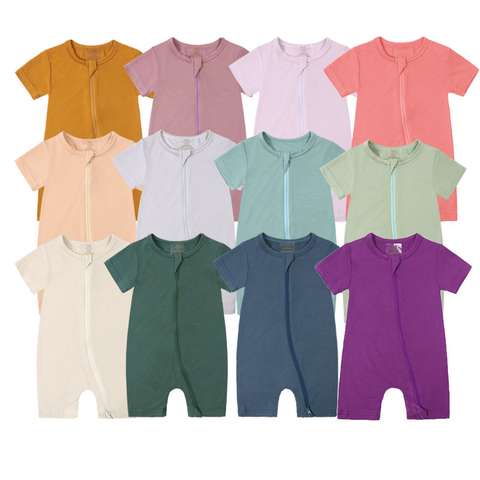
The Role of GSM in Bamboo Fabric for Baby Pajamas
GSM, or grams per square meter, plays a critical role in defining the quality and functionality of bamboo textiles. GSM is a measurement of fabric weight and helps manufacturers design clothing that suits specific applications. For baby pajamas, the ideal GSM typically falls between 180 and 250. These values strike a balance between comfort and durability:
- Lower GSM (150-180): Softer and more lightweight, ideal for warm climates or summer usage. However, a lower GSM may compromise durability.
- Mid-range GSM (180-250): Offers a balance of softness, thickness, and resilience, making it perfect for baby pajamas. Such fabrics typically provide good breathability while retaining strength.
- Higher GSM (250+): Often used for winter pajamas, this heavier fabric offers better insulation but might be too dense for newborns with sensitive skin.
Bamboo fabric used for baby boy pajamas is often blended with other fibers, such as organic cotton or elastane, to enhance its performance metrics like elasticity and durability, while maintaining a comfortable GSM range.
Fabric Density and Performance Metrics
In addition to GSM, fabric density significantly influences the quality of bamboo pajamas. Fabric density refers to the number of threads or fibers found in a square inch of fabric, often measured as thread count for woven materials or loop count for knits. Higher fabric density typically indicates better durability, as the fibers are tightly packed, reducing the potential for tearing or pilling.
For bamboo baby pajamas, manufacturers often prioritize knitted fabric structures over woven ones. Knitted fabrics, particularly interlock and jersey knits, are favored for their elasticity, breathability, and smooth finish. These structural properties ensure that bamboo pajamas provide:
- Unmatched softness that is ideal for a baby’s sensitive skin.
- High moisture-wicking capability to keep the baby dry.
- Temperature regulation for year-round comfort.
By combining ideal GSM values and appropriate fabric density, manufacturers can engineer bamboo fabrics that perfectly balance softness, durability, and functionality.
Industrial Machinery for Bamboo Pajama Production
The production of bamboo pajamas for baby boys involves a series of industrial operations, from bamboo fiber extraction to garment creation. State-of-the-art textile machinery plays a pivotal role in maintaining efficiency and precision during this process. Below is an overview of key machinery involved:
Bamboo Fiber Extraction and Processing
Bamboo fabric production begins with the extraction of bamboo cellulose, which is chemically processed to create viscose or lyocell fibers. Machinery such as hydro pulpers and spinnerets is used during the fiber formation phase. For environmentally conscious production, many manufacturers use closed-loop systems that reclaim and recycle solvents used during this stage.
Fabric Knitting or Weaving Machinery
Once bamboo fibers are spun into yarn, they are processed into fabric using knitting or weaving machines. For baby boy pajamas, circular knitting machines are most commonly employed to create interlock or jersey knit fabrics. These machines allow manufacturers to achieve the lightweight texture and elasticity required for comfortable sleepwear.
Compacting and Finishing Machines
Compacting machines are used to reduce shrinkage in bamboo fabric before cutting and sewing. This is critical for baby garments, as high shrinkage rates can compromise fit and durability. Finishing machines, such as calenders and stenter frames, ensure the fabric has a smooth finish, while softeners are sometimes applied to enhance the tactile feel.
CNC Cutting and Automated Sewing
Modern pajama production often utilizes CNC (Computer Numerical Control) fabric cutting machines for precision in pattern design and sizing. Automated sewing technologies, such as sewing robots, streamline garment assembly while ensuring consistency in stitching quality. These advancements also reduce manufacturing waste, cutting down on production costs and environmental impacts.
Sustainability and Market Trends
Increasing consumer demand for sustainable and eco-friendly materials has driven innovation in bamboo textile production. Many industrial facilities now adopt greener processes, such as:
| Fabric Type | Organic Bamboo |
| Compliance | CPSIA Compliant |
| Customization | Tailor-made |
| Lead Time | 40 Days |
- Using lyocell manufacturing techniques to reduce chemical waste.
- Integrating renewable energy sources into production lines.
- Implementing recycling systems to process fiber and fabric scraps.
Additionally, the versatility of bamboo textiles allows manufacturers to cater to various market demands. Antibacterial properties and hypoallergenic qualities make bamboo a top choice for baby clothing. Innovations such as printed designs using eco-safe dyes and seamless garment technology increase product differentiation in a competitive landscape.
Bamboo pajamas for baby boys are a prime example of how advanced textiles and industrial machinery deliver high-performance clothing that meets the needs of end consumers. From optimizing GSM and fabric density to leveraging cutting-edge knitting and finishing machinery, manufacturers can produce eco-friendly, luxurious, and functional sleepwear. By understanding these technical considerations, businesses in the garment industry can create superior products while supporting sustainability and innovation.