Custom Sibling Matching Outfits Private Label Oem
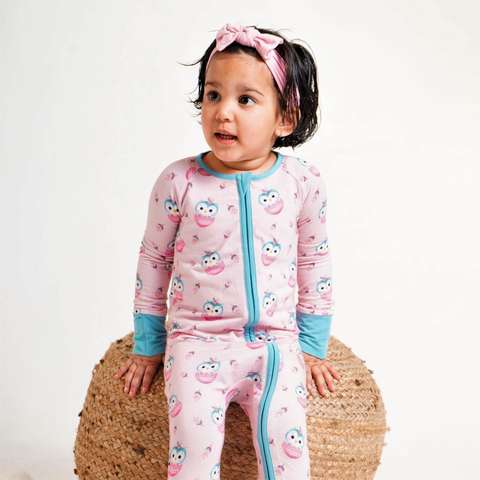
The Science Behind Sibling Matching Outfits: GSM, Fabric Density, and Industrial Machinery
Sourcing and producing high-quality sibling matching outfits requires an intricate blend of textile engineering, machinery optimization, and detailed attention to fabric standards. For manufacturers and B2B stakeholders, understanding key factors such as fabric GSM (grams per square meter), fabric density, and machinery adaptability is paramount. This article explores the engineering and operational aspects involved in delivering top-notch matching outfits tailored for siblings, ensuring both quality and scalability.
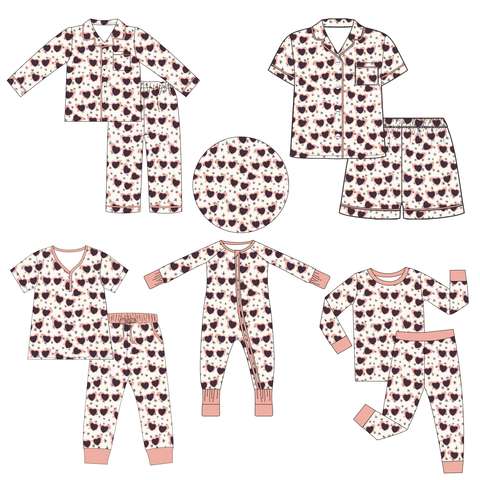
Understanding GSM in Sibling Matching Outfits Design
GSM (Grams per Square Meter) is a crucial metric in fabric manufacturing, representing the weight of fabric over a one-meter square area. This parameter determines not only the comfort of the final product but also its durability and feel. For sibling matching outfits that require uniformity and comfort, selecting the right GSM is critical.
Typically, GSM values for sibling outfits hover between 140 and 220, depending on seasonal use. Lower GSM fabrics (140-160) work best for lightweight summer outfits, promoting breathability, while higher GSM ranges (180-220) suit winter-based apparel, offering warmth and sturdiness.
The choice of GSM also impacts the aesthetic of sibling outfits. Lower GSM fabrics drape loosely and are suitable for playful summer-style garments, while higher GSM fabrics are denser and more structured, lending themselves to formal or winter outfits. Producers must align their GSM selection with target market needs and end-use scenarios.
Importance of Fabric Density in Garment Construction
Fabric density refers to the number of yarns per unit area in a woven or knit fabric. This metric directly influences the texture, transparency, and quality of sibling matching outfits:
- Durability: High-density fabrics withstand wear and tear, making them perfect for children’s clothing that experiences frequent washing and usage.
- Comfort: Fabrics with optimal density (not too compact) provide the right balance of breathability and softness.
- Visual Consistency: Dense fabrics reflect uniform dyeing, allowing sibling outfits to maintain color consistency, a critical factor when outfits are designed to match.
Balancing fabric density with cost-efficiency becomes vital when scaling production. Manufacturers must leverage advanced machinery capable of maintaining precise weave and knit densities, ensuring that every batch of fabric meets stringent quality control metrics.
Role of Industrial Machinery in Textile Manufacturing
Modern industrial machinery plays a pivotal role in the efficient and scalable production of sibling matching outfits. From spinning to knitting and finishing, advanced machines help manufacturers achieve high-volume outputs while adhering to quality standards.
Key machinery utilized includes:
- Knitting Machines: Single and double jersey circular knitting machines are widely used for creating soft and stretchable fabrics, ideal for children’s outfits.
- Weaving Looms: For structured fabrics, industrial weaving looms provide high-density outputs suitable for sibling clothing sets.
- Dyeing and Finishing Machinery: Sibling outfits often feature vibrant and identical colors, requiring continuous dyeing ranges and stenters for color consistency and fabric stabilization.
Automation is revolutionizing the textile industry. Programmable machines equipped with AI-driven quality monitoring systems reduce fabric wastage and ensure each garment is precision-made to meet design specs. This is particularly important for sibling outfits, where minor variations can disrupt the visual harmony of matched sets.
Customization and Matching Patterns with CAD Software
The appeal of sibling matching outfits lies in identical or complementary patterns and designs. Achieving this requires the use of advanced CAD (Computer-Aided Design) software tailored for the textile industry. CAD tools allow manufacturers to design intricate patterns with precision, ensuring seamless matching across different garments.
CAD-based design systems also enable:
- Pattern Matching: Creating continuous and aligned visual patterns, ensuring siblings’ outfits look cohesive.
- Fabric Yield Optimization: Efficient placements of patterns minimize fabric waste during cutting.
- Customization at Scale: Manufacturers can quickly create and adjust designs based on customer requirements.
When integrated with automated cutting equipment, CAD outputs guide laser-cutting and die-cutting machines for unmatched precision. This drastically reduces production time, minimizes errors, and enhances quality control metrics.
Quality Testing and Standards in Production
The final stage of sibling matching outfit production involves comprehensive quality testing. It ensures that the garments meet international quality standards and align with consumer expectations for durability, comfort, and appearance. Various tests are conducted during the production process, including:
- GSM Testing: Verify fabric weights to ensure they align with the intended design.
- Tear and Tensile Strength Testing: Guarantee durability for children’s active use.
- Shrinkage Testing: Ensure fabric retains its dimensions post-washing, avoiding fit issues.
- Color Fastness Testing: Evaluate whether dyes hold fast under washing, exposure to sunlight, and friction.
Advanced testing equipment, such as GSM cutters, bursting strength testers, and color fastness machines, aids in assessing the resilience of the fabrics. Significant deviations are flagged for remedial processing or production halts to ensure only quality products reach customers.
Driving Sustainability and Efficiency in Production
The modern textile industry is increasingly focused on sustainable practices. For sibling matching outfits, this translates to the use of eco-friendly fibers, reducing water and energy consumption, and minimizing waste. Key approaches include:
- Blended Fabrics: Combining organic cotton with recycled synthetic materials reduces waste without compromising quality.
- Closed-Loop Systems: Machines designed for dye recovery and water recycling optimize resource usage.
- Automation: Robotic production lines and IoT-integrated machinery increase efficiency, reduce manpower, and lower energy consumption.
Manufacturers should also pursue certifications such as OEKO-TEX® and GOTS (Global Organic Textile Standard) to enhance their credibility in sustainable manufacturing. These certifications add a competitive edge in a B2B market that increasingly prioritizes green practices.
: Engineering Excellence in Sibling Matching Outfits Production
Producing sibling matching outfits requires a combination of precise engineering, advanced industrial machinery, and material science expertise. By focusing on GSM and fabric density, manufacturers can create superior products tailored to market demands. The adoption of automated processes and CAD technology ensures scalability and pattern uniformity, while thorough quality testing safeguards brand reputation.
As sustainability becomes a cornerstone in textile production, manufacturers must embrace eco-friendly practices and resource efficiencies. By doing so, they not only meet customer expectations but also solidify their position as industry leaders. In an ever-evolving B2B landscape, engineering and operational excellence remain the keys to delivering the perfect sibling matching outfits at scale.
| Fabric Type | Pima Cotton |
| Compliance | CPSIA Compliant |
| Customization | Custom |
| Lead Time | 33 Days |