Bespoke Bamboo Pajamas Newborn Tailormade Manufacturer
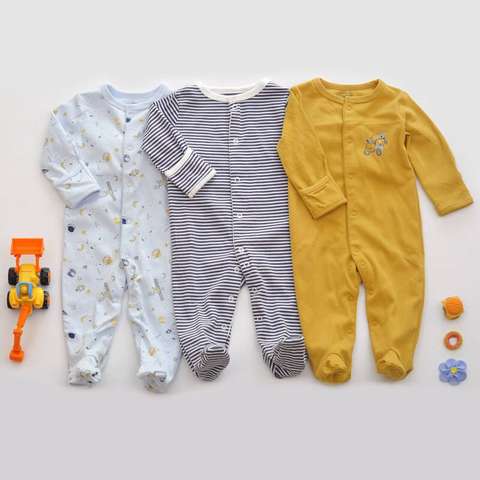
Technical Insights into Bamboo Pajamas for Newborns
Bamboo fabric has gained immense popularity in the textile industry, and its use in newborn pajamas highlights its unparalleled qualities. From its sustainability to its incredibly soft texture, bamboo fabric offers an ideal solution for sensitive baby skin. This article delves into the technical aspects of producing high-quality bamboo pajamas for newborns, focusing on GSM, fabric density, and the industrial machinery required to achieve perfection.
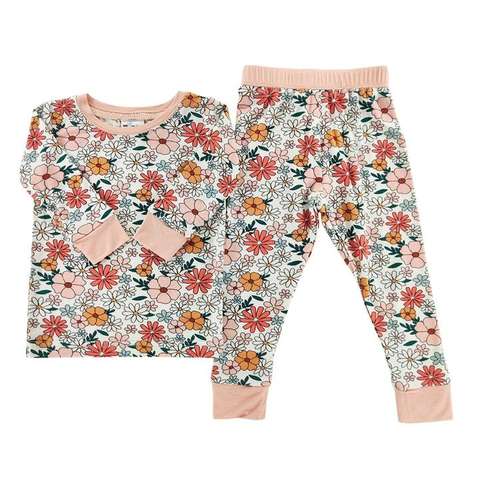
Understanding GSM in Bamboo Fabric
GSM, or grams per square meter, is a critical measure of the fabric weight and thickness. In the case of bamboo pajamas for newborns, choosing the right GSM ensures comfort, breathability, and durability. GSM ranges can significantly affect the feel and function of the final garment.
Optimal GSM for Babywear
Lightweight bamboo fabrics typically range from 150 to 200 GSM. For newborn pajamas, this range provides a balance of softness and breathability, key characteristics for delicate baby skin. Lower GSM fabrics may feel too thin and compromise durability, while higher GSM fabrics can be too heavy, reducing comfort during sleep.
Manufacturers must frequently test samples during production to ensure that the GSM remains consistent across batches. Deviations in GSM lead to inconsistencies in fabric performance, which can negatively impact the product's appeal to consumers.
Tools for Measuring GSM
Accurate GSM measurement relies on industrial tools like GSM cutters and precision scales. These machines cut out standardized fabric samples which are weighed and evaluated. This process is an essential quality control step during the development of bamboo-based pajamas for newborns.
The Role of Fabric Density in Bamboo Pajamas
Fabric density refers to the number of threads woven per square inch or centimeter. It's a crucial factor that influences the tactile feel, appearance, and durability of the finished material. For newborn pajamas, achieving a proper balance between density and softness is an art.
Defining the Ideal Bamboo Fabric Density
For bamboo newborn pajamas, a medium density between 150 and 200 threads per square inch ensures the fabric provides adequate durability without compromising softness. Density correlated with GSM ensures that bamboo garments maintain their structural integrity over time, even after repeated washes.
Over-tight or overly loose weaving can either make the fabric rigid or too fragile. Both extremes are unsuitable for babywear. Implementing a pre-production weave analysis ensures that density targets are not only met but consistent in every batch.
Challenges in Managing Fabric Density
The natural elasticity of bamboo yarn presents challenges in maintaining consistent density during production. High-performance machinery equipped with tension control systems is essential to regulate the weaving process, ensuring uniform thread placement across the material surface.
Industrial Machinery for Bamboo Pajama Production
Advancements in textile manufacturing have streamlined the production process for bamboo-based garments. Several key types of industrial machinery play vital roles in ensuring the quality and efficiency of newborn pajamas production.
Yarn Preparation Using Spinnerets
Producing bamboo fabric begins with the extrusion process of bamboo viscose through spinnerets. Highly calibrated spinnerets ensure that fibers achieve consistent diameter and strength. This is essential for achieving the softness and moisture-wicking properties bamboo is praised for.
Weaving Machines for Bamboo Textiles
Modern automatic weaving machines are capable of producing ultra-soft bamboo fabrics with consistent levels of density. These machines use precise tensioning systems to handle the often slippery bamboo yarns efficiently. Computer-aided control systems further ensure that every thread is perfectly aligned, preventing defects in the final product.
| Fabric Type | Organic Bamboo |
| Compliance | CPSIA Compliant |
| Customization | Private Label |
| Lead Time | 22 Days |
Dyeing and Finishing Equipment
Dyeing bamboo fabric requires a gentle yet effective process to avoid damaging the fibers. Soft-flow dyeing machines are widely adopted, as they reduce tension and friction, maintaining the fabric's softness and strength. Post-dyeing, finishing machines such as industrial tumblers are used to further enhance the plush texture with carefully controlled mechanical and chemical treatments.
Ensuring Sustainability in Bamboo Pajama Production
Bamboo fabric is widely regarded as an eco-friendly material due to its rapid growth rate and minimal water requirements. However, the sustainability of bamboo pajamas for newborns depends heavily on the production process itself.
Best Practices for Sustainable Production
Textile manufacturers often employ closed-loop production systems to minimize waste and chemical runoff during bamboo processing. For example, the use of N-methylmorpholine-N-oxide (NMMO) in Lyocell production ensures that solvents are captured and reused instead of being released into the environment.
Additionally, ensuring ethical sourcing of bamboo raw materials and reducing energy consumption within production lines can further enhance sustainability. Solar-powered mills and energy-efficient machinery are increasingly becoming standard in eco-conscious textile manufacturing facilities.

Certifications for Responsible Manufacturing
Manufacturers looking to establish their credentials in the market can pursue certifications such as OEKO-TEX® Standard 100 or the Global Organic Textile Standard (GOTS). These certifications testify to the safety, sustainability, and ethical standards adhered to during the production process.
: The Future of Bamboo Newborn Pajamas
The use of bamboo fabric in the production of newborn pajamas is a testament to technological advancements in the textile sector. From calculating the optimal GSM to maintaining perfect fabric density and utilizing state-of-the-art industrial machinery, every detail contributes to creating soft, durable, and eco-friendly garments for sensitive newborn skin.
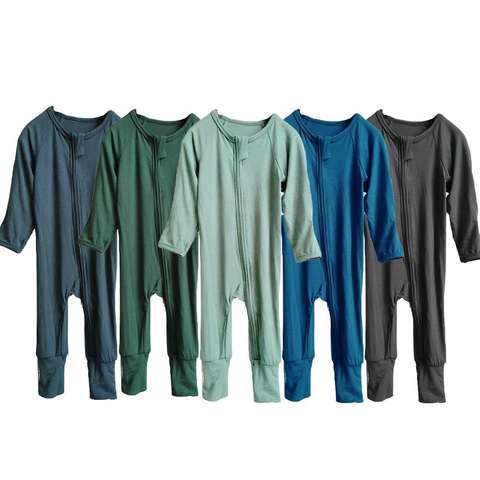
Additionally, with more manufacturers opting for sustainable and ethical production methods, bamboo pajamas for newborns represent a perfect intersection of innovation and environmental responsibility. Ensuring quality and precision during every stage of production solidifies bamboo's position as a favored material in this growing market segment.