Tailormade Baby Infant Bamboo Romper Bespoke Supplier
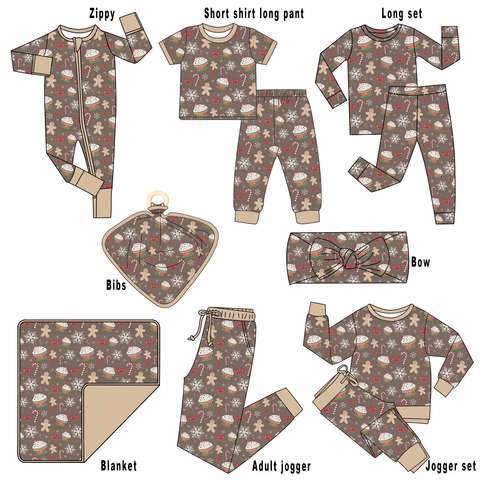
The Technical Craftsmanship Behind Baby Infant Bamboo Rompers
The demand for eco-conscious infant clothing has been on the rise, with bamboo fabric emerging as a market leader. For manufacturers and textile professionals, producing high-quality baby infant bamboo rompers involves understanding key fabric metrics such as GSM, fabric density, and leveraging advanced industrial machinery. This guide explores these aspects in detail, offering actionable insights for B2B enterprises.
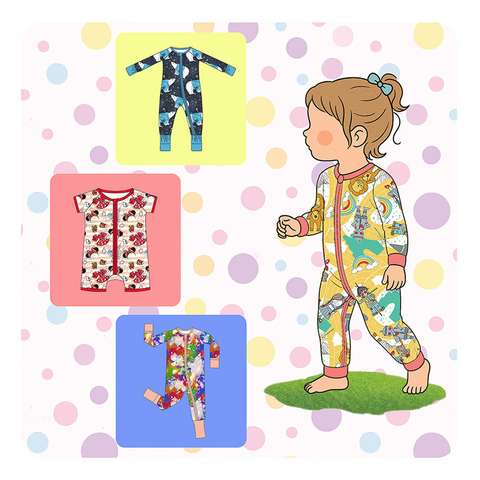
Understanding GSM and Its Importance in Baby Romper Fabrics
GSM, or "grams per square meter," is one of the most critical parameters in assessing the quality of bamboo fabric. In baby clothing production, GSM determines the weight and thickness of the fabric, factors that significantly affect comfort, durability, and breathability.
- Optimal GSM Range for Baby Rompers: For infant wear, a GSM range of 180-250 is considered ideal. This range achieves a fine balance between lightweight breathability and structural integrity to prevent tears under stress.
- Softness and Durability: GSM directly correlates to the softness of the bamboo fabric. Lower GSM fabrics are softer and cooler but may lack durability, while higher GSM fabrics are tougher but can compromise comfort for infants.
When selecting bamboo fabric with the required GSM, manufacturers should consider the specific functional requirements of the romper in relation to infant comfort, seasonal wearability, and market expectations.
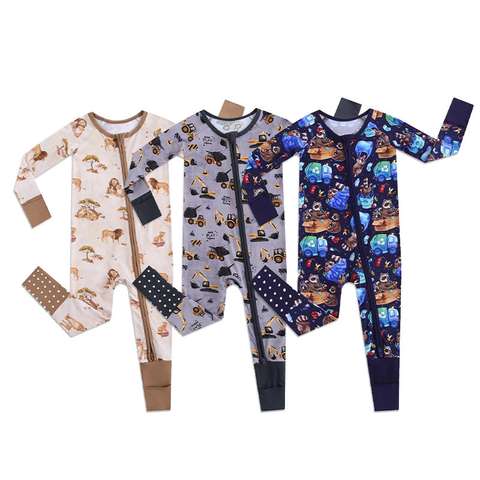
Fabric Density: A Key Metric for Structural Integrity and Comfort
Fabric density, distinct yet related to GSM, is another vital factor when analyzing material performance for baby rompers. It refers to how closely the fibers are woven, which impacts flexibility, breathability, and elasticity.
- Weave Structure: Bamboo fabrics for infants often utilize knit weaves or interlock weaves. Knit structures offer elasticity and comfort, while interlock weaves provide added durability, ideal for rompers under frequent use.
- Breathability and Moisture Management: Higher density fabrics generally trap less air, negatively affecting breathability. However, due to bamboo’s natural moisture-wicking properties, the fabric remains cool and dry, making it a versatile choice even at moderate densities.
Manufacturers must work closely with fabric mills to ensure that the density and tensile strength align perfectly with the product’s intended application, particularly since baby rompers necessitate soft, breathable, and stretchable materials for infant safety and comfort.
The Role of Industrial Machinery in Bamboo Fabric Production
High-precision industrial machinery plays a pivotal role in converting natural bamboo fibers into finished baby romper fabric. Innovations in machinery have allowed manufacturers to meet strict durability and sustainability criteria demanded by parents and regulatory bodies alike.
Knitting and Weaving Machinery
For bamboo baby rompers, vertical knitting machines and circular weaving machines are commonly employed. These machines can create intricate patterns while maintaining the softness and elasticity necessary for infant clothing. Automated weaving ensures consistent fabric density, reducing defects to ensure each batch aligns with safety standards.
Dyeing and Finishing Equipment
Baby clothing needs to meet strict chemical safety guidelines. Thus, bamboo fabric undergoes specialized dyeing procedures using eco-friendly azo-free dyes and non-toxic finishing agents. Advanced dyeing machines incorporate low-water technologies to maintain sustainability during production.
- Silicone-Coated Rollers: These are frequently used during finishing processes to enhance softness and increase the sheen of bamboo fabrics without compromising breathability.
- UV Stabilizers: Certain finishing stages incorporate UV-stable treatments to protect delicate infant skin while prolonging the longevity of the romper during sun exposure.
Cutting and Sewing Automation
Once the fabric specifications are met, cutting and sewing machinery creates the romper designs. Automated precision cutters ensure minimal fabric waste while maintaining accuracy for intricate patterns. Meanwhile, advanced stitching machines utilize flatlock seams or hidden stitch techniques, ensuring the romper offers maximum comfort without irritating an infant’s sensitive skin.
Addressing Sustainability and Safety in Industrial Production
Sustainability and safety are becoming non-negotiable in baby clothing manufacturing, especially in B2B partnerships that prioritize long-term value and eco-friendliness. Bamboo rompers, when produced responsibly, meet modern sustainability benchmarks while ensuring unparalleled infant safety.
- Eco-Friendly Sourcing: Bamboo plants grow quickly with minimal water consumption, offering an inherently greener textile base. When coupled with chemical-free production processes, this fabric guarantees minimal environmental impact.
- Product Testing: Ensuring fabric safety through Oeko-Tex and GOTS (Global Organic Textile Standard) certifications remains an industry best practice. These certifications prevent harmful chemical residues in fabrics, aligning with parental expectations and regulatory requirements.
- Renewable Energy in Manufacturing: Many textile mills employ renewable energy solutions—like solar or wind power—to align with sustainable production values. Investing in these practices strengthens B2B relationships and builds corporate social responsibility (CSR) credibility.
By emphasizing safety, sustainability, and compliance, manufacturers can cater to environmentally conscious markets while delivering the premium quality demanded in baby clothing.
Manufacturing baby infant bamboo rompers is both a technical and creative process, requiring meticulous attention to fabric properties such as GSM and density, as well as the optimization of industrial machinery. Every step—from selecting raw bamboo fibers to cutting and sewing the final product—demands precision and care to align with stringent safety and environmental standards.
| Fabric Type | Pima Cotton |
| Compliance | GOTS Organic |
| Customization | OEM |
| Lead Time | 15 Days |
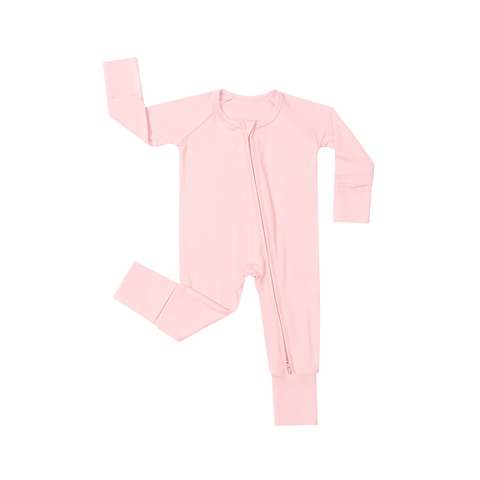
For B2B enterprises in the textiles industry, specializing in bamboo-based infant clothing opens up lucrative market opportunities. By focusing on advanced manufacturing methods and sustainability-led innovations, businesses can position themselves as leaders in an eco-conscious and quality-driven segment.