Bespoke Bamboo Pointelle Pajama Gots Organic Vendor
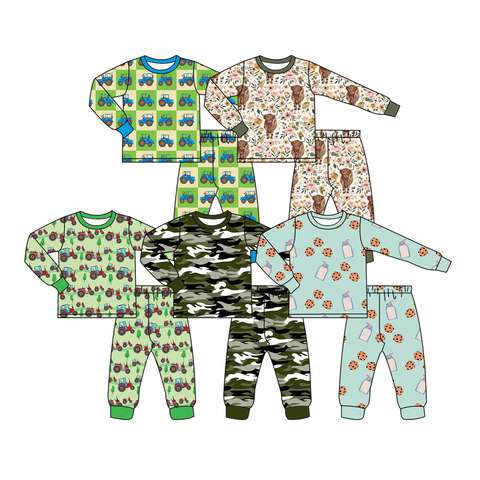
The Foundation of Bamboo Pointelle Pajamas: Blending Comfort and Sustainability
Bamboo pointelle pajamas represent a convergence of advanced textile manufacturing, eco-conscious material choices, and sophisticated design aesthetics. These garments leverage bamboo fibers, widely praised for their sustainable properties, combined with the intricate knitting of a pointelle structure to produce lightweight, breathable, and visually appealing sleepwear. As industries focus more on technical specifications like GSM (grams per square meter) and fabric density, manufacturing bamboo pointelle pajamas demands precision machinery and deep expertise.
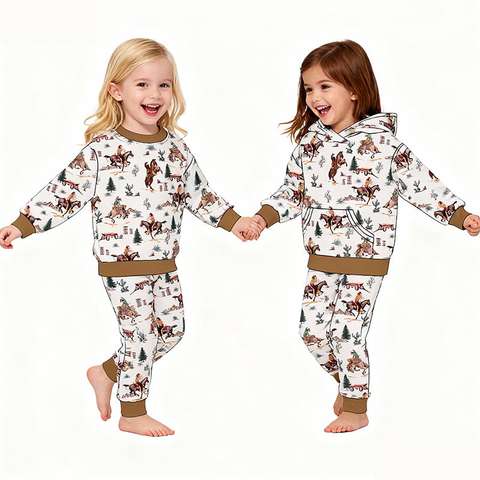
Why Bamboo Fiber is Ideal for Pointelle Fabric
Bamboo fibers have gained prominence in the textile industry due to their ecological benefits, as bamboo plants grow rapidly without pesticides and require relatively low water resources. When processed into fibers, bamboo offers a unique combination of softness, moisture-wicking properties, and durability, making it an optimal choice for sleepwear. These fibers excel in maintaining thermal regulation, ensuring wearers remain comfortable across varying temperatures.
When integrated into a pointelle knit, bamboo achieves a new level of functionality. Pointelle, a type of openwork knit characterized by small eyelet patterns, enhances air circulation throughout the fabric, boosting its breathability. The combination of bamboo and pointelle creates an end product that is not only delicate in appearance but also incredibly practical for maintaining user comfort.

Understanding GSM and Its Role in Bamboo Pointelle Pajamas
GSM, or "grams per square meter," is a critical parameter in textile production, representing the fabric’s weight based on its density. This metric directly influences the drape, durability, and comfort of the pajamas, making it a crucial consideration in the industrial production of bamboo pointelle sleepwear.
Optimizing GSM for Bamboo Pointelle Pajamas
The ideal GSM for bamboo pointelle pajamas typically falls within the range of 150-200 GSM. This range ensures a balance between weight and breathability. A lower GSM (<150) might result in fabric that is too sheer or prone to wear and tear, compromising product quality and consumer satisfaction. Conversely, a higher GSM (>200) could yield a fabric that feels less delicate and fails to maximize the pointelle structure's breathability.
To meet consumer expectations for lightweight, breathable pajamas, manufacturers need to precisely control the GSM during production. This requires fine-tuning the weaving or knitting processes while keeping the inherent properties of bamboo fibers in mind. Industrial textile machinery must be carefully calibrated to ensure consistent quality output.
Maintaining Fabric Density in Pointelle Structures
Fabric density refers to the number of stitches or threads per unit area, which overlaps with GSM but introduces additional intricacies when designing pointelle patterns. In pointelle knitting, achieving the right density ensures the structural integrity of the garment while preserving airflow through the decorative openings.
A common issue in manufacturing is the possibility of overly dense knitting, which can obstruct the openness of the pointelle design, or insufficient density, which risks compromising the fabric’s durability. By leveraging advanced computer-aided design (CAD) software integrated with knitting machinery, manufacturers can strike an appropriate balance, ensuring the finished product meets the highest standards of comfort and reliability.
Industrial Machinery for Bamboo Pointelle Pajama Production
The production of bamboo pointelle pajamas involves sophisticated industrial machinery capable of handling the unique properties of bamboo fibers and the intricate requirements of pointelle knits. Modern textile production facilities employ technologies that enhance efficiency and consistency across large-scale outputs while reducing material waste.
Knitting Machines for Pointelle Fabric
Pointelle knitting requires specialized circular knitting machines or flatbed knitting machines with programmable capabilities. These machines must be equipped with fine-gauge needles to accommodate the delicate nature of bamboo fibers while achieving the intricate eyelet patterns characteristic of pointelle fabric.
One common challenge lies in maintaining consistent tension throughout the knitting process. Inconsistent tension can lead to uneven patterns or breakage in the pointelle design. Manufacturers often utilize closed-loop feedback systems in modern knitting machines to monitor and adjust the tension in real-time. Additionally, many high-end machines allow for digital programming of patterns, enabling rapid design changes while maintaining efficiency during production runs.
Machinery for Bamboo Fiber Processing
Before bamboo fibers can be knitted into pointelle fabrics, they undergo extensive pre-processing. This typically involves machinery designed for converting bamboo into viscose or lyocell. The process begins with bamboo wood being crushed into a pulp, treated with solvents, and spun into fibers. This phase necessitates rigorous quality checks to guarantee uniform fiber thickness and strength.
For eco-conscious manufacturers, selecting closed-loop lyocell processing technology can enhance sustainability while maintaining fiber quality. Unlike conventional viscose manufacturing, closed-loop systems recycle the chemicals used during processing, reducing environmental impact without compromising the desirable characteristics of bamboo fibers.
Quality Control and Testing: Ensuring Excellence
Quality control is pivotal when manufacturing premium bamboo pointelle pajamas. From raw material inspection to final production testing, every phase must meet stringent industry performance standards.
Testing Fabric Characteristics
Testing begins by measuring the GSM and fabric density using advanced tools such as GSM cutters and digital fabric thickness gauges. These measures ensure the garment aligns with intended specifications. Other critical performance metrics evaluated include tensile strength, moisture-wicking capability, and shrinkage after washing.
| Fabric Type | Organic Bamboo |
| Compliance | ASTM F963 |
| Customization | OEM |
| Lead Time | 40 Days |
In terms of sustainability, dyes and finishes applied to the bamboo pointelle fabric are tested to ensure they meet Oeko-Tex or similar certifications, ensuring the pajamas are free from harmful substances. These certifications are increasingly demanded by eco-conscious consumers, securing producers a competitive edge in the market.
Wear Testing and Consumer Experience
Beyond laboratory testing, wear testing simulates real-world usage conditions, providing valuable insights into how the pajamas perform over time. This involves laundering the fabric under standardized procedures multiple times and assessing its longevity, softness, and capacity to maintain intricate pointelle patterns. Such rigorous testing provides confidence to manufacturers and distributors who prioritize long-term consumer satisfaction.
Future Trends in Bamboo Pointelle Pajama Manufacturing
The future of bamboo pointelle pajama production is set to thrive at the nexus of technology and sustainability. With a growing demand for eco-luxury fabrics, manufacturers are exploring new innovations to advance production methodologies, reduce waste, and enhance fabric performance.
Emerging Technologies in Knitting
Developments in automation and artificial intelligence are rapidly transforming textile manufacturing. Smart knitting machines equipped with AI-driven algorithms can now identify flaws in pointelle patterns during the knitting process, reducing defects and enhancing productivity. , automated systems are also being integrated into quality control workflows, ensuring consistent output and streamlining the inspection process.
Sustainability in Fabric Production
Consumers are increasingly seeking eco-conscious apparel, driving innovations like biodegradable dyes, waterless dyeing technologies, and improved closed-loop fiber processing technologies. In bamboo production, a focus on reducing chemical usage during fiber processing while maintaining sustainability certifications will be crucial for brand differentiation in the competitive textile landscape.
Another key trend is the rise of digital fabrication technologies, including 3D knitting. With the ability to eliminate fabric waste and produce garments directly in their desired shape, this technology promises transformative efficiencies for the industry.
: Engineering Excellence for Premium Sleepwear
Bamboo pointelle pajamas are a testament to engineering precision and the efforts to innovate while prioritizing sustainability. From selecting high-quality bamboo fibers to maintaining optimal GSM and managing intricate pointelle designs, the manufacturing process is as much a technical challenge as it is an art. Innovations in industrial machinery and a focus on eco-friendly production methods offer exciting possibilities for the future of this versatile garment.
B2B collaborators in the textile sector must understand these nuances to remain competitive and deliver products that meet rising consumer expectations for quality, comfort, and environmental sustainability. The outcome is a product that strikes the perfect balance of technical excellence and customer satisfaction—a bamboo pointelle pajama you can trust to both perform and inspire.