Bespoke Halloween Kids Pajamas Oem Exporter
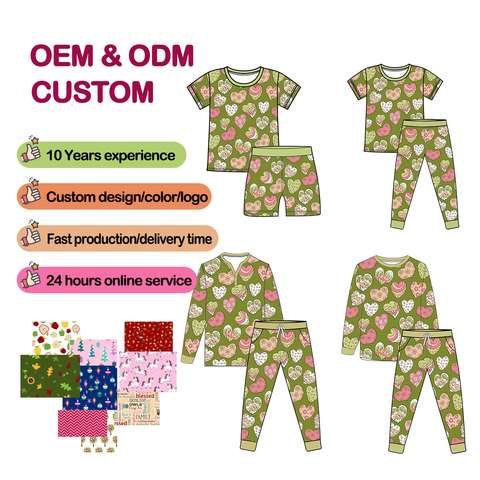
Exploring Halloween Kids Pajamas: GSM, Fabric Density, and Industrial Machinery Considerations
As manufacturers or suppliers of Halloween kids' pajamas, technical consideration is crucial to meeting the demand for quality materials, comfort, and efficient production. This article delves into the engineering aspects of fabric selection, GSM (Grams per Square Meter), fabric density, and the industrial machinery employed for creating high-quality sleepwear tailored for children. These choices not only affect the design of pajamas but also ensure durability, softness, and performance during manufacturing processes.
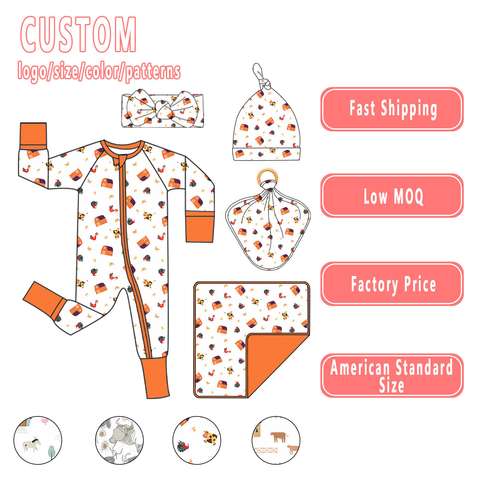
Understanding GSM and Fabric Density in Kids' Pajamas
When producing functional yet appealing Halloween pajamas, the GSM of fabric plays a key role in achieving the right balance between comfort, durability, and aesthetic appeal. GSM, or Grams per Square Meter, is a measurement that indicates the weight of a fabric per square meter. Children's pajamas typically require a GSM range of 150 to 200 to ensure softness and lightweight feel suitable for a child's skin.
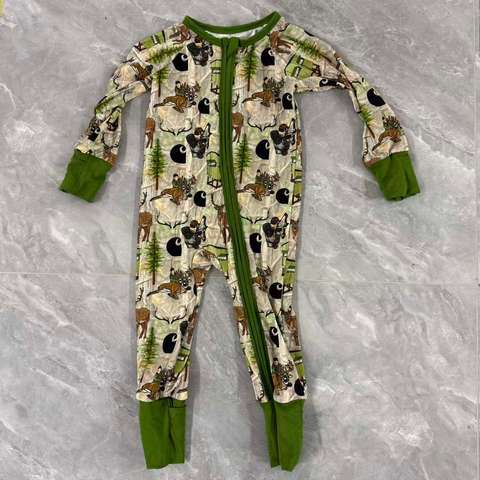
Fabric density is another parameter intertwined with GSM, as it defines the meticulous arrangement of yarns or threads in a given area, influencing how breathable and durable the pajamas are. Fabrics with higher density provide better insulation, which is useful for Halloween pajamas worn during cooler October evenings. However, over engineering the density to extremes may compromise breathability, making the garment uncomfortable. Balancing these characteristics necessitates analyzing the target market's needs, especially for sensitive children's skin.
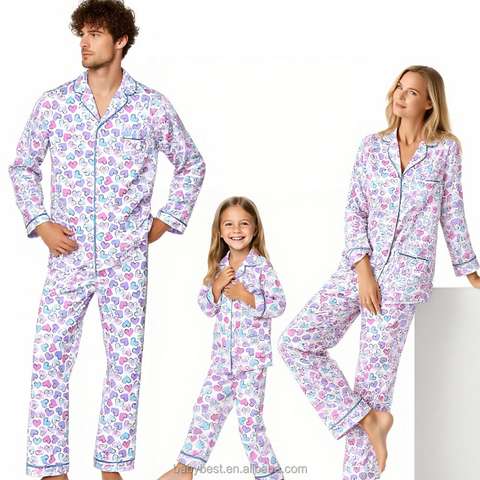
Optimal Fabric Choices for Halloween Kids Pajamas
Halloween kids' pajamas require fabrics that are both functional and decorative – capable of showcasing thematic prints such as pumpkins, ghosts, or witches. Technical textiles that combine aesthetics with comfort are sought after for this purpose. Here are several commonly used fabrics:
- Cotton: Cotton remains the prevailing material for any sleepwear due to its softness, breathability, and skin-friendly nature. With a GSM range of 150 to 180, cotton is optimal for toddlers and young children as it minimizes the risk of skin irritation.
- Cotton Spandex Blend: Adding spandex to cotton provides additional stretchability, making Halloween pajama sets comfortable and form-fitting. This blend, often used at a GSM of 180 to 200, is ideal for more active children.
- Polyester: Polyester fabrics, especially micro-polyester used in pajama applications, offers durability and retain vibrant colors for thematic Halloween prints. Polyester is often employed with GSM between 170 and 190 to ensure sturdiness without losing softness.
- Bamboo Fiber: An emerging fabric option for sleepwear, bamboo blends are eco-friendly, breathable, and naturally hypoallergenic, making them ideal for Halloween pajamas. Bamboo fabrics used in manufacturing typically have a GSM range of about 160 to 200.
Selecting the right fabric involves careful testing to ensure a balance of GSM and density. Manufacturers often examine prototypes to adjust fabric weight, thread composition, and dyeing methods to enhance functionality and visual appeal.
Role of Industrial Machinery in Pajama Production
Fabric selection only lays the groundwork for manufacturing Halloween kids’ pajamas. Industrial machinery is the backbone of mass production, influencing both quality and efficiency. Engineering specifications for machinery used to produce pajamas include performance optimization in cutting, sewing, printing, and finishing processes. Key machinery for this operation includes:
- Automated Cutting Machines: Precision in cutting is vital for consistent sizing, especially when working with themed designs that require pattern alignment. Laser cutters or computer-controlled fabric cutters enhance precision, minimize waste, and improve efficiency.
- Sewing Machines: Multi-needle embroidery sewing machines or flatbed knitting machines are used to assemble pajama sets, ensuring strong and consistent stitching while accommodating stretchable fabrics such as spandex blends.
- Digital Printing Machines: For Halloween-themed fabrics, digital printing machinery ensures vibrant prints with excellent color retention. These machines can handle complex motifs – offering flexibility in designs ranging from spooky to playful.
- Finishing and Packaging Units: Industrial irons and compact folding machines streamline processes at the final production phase by ensuring each pajama set is polished and well-presented for shipping.
The synchronization of these machines within production lines reduces bottlenecks while maintaining stringent quality standards. Additionally, the integration of IoT technology in machinery provides manufacturers with real-time diagnostic data, enabling predictive maintenance and minimizing downtime during production peaks.
Technical Challenges and Solutions in Halloween Pajama Manufacturing
Despite advancements in industrial machinery and fabric technology, Halloween kids’ pajama production comes with unique technical challenges that require engineering solutions. Some common issues include:
- Fabric Dye Bleeding: The vibrant motifs for Halloween pajamas require high-quality dyes that do not bleed during washing or wear. Pre-treatment processes such as colorfastness testing and employing reactive or acid dyes mitigate this issue effectively.
- Assembly of Complex Stitch Patterns: Halloween pajama designs often feature intricate hems or decorative stitching. Computerized embroidery machines equipped with specialized software can automate these processes while maintaining design accuracy.
- Comfort versus Durability: While thick fabrics may maximize durability, they can compromise comfort. Engineers balance GSM and fabric density by selecting blends that optimize both parameters, relying on simulation tests before mass production.
, manufacturers may employ flame-resistant fabric treatments for additional safety in sleepwear. These treatments are necessary when working under regulatory compliance, such as the Consumer Product Safety Commission (CPSC) standards for children’s sleepwear flammability.
: Engineering Halloween Pajamas for Market Success
Manufacturing Halloween kids’ pajamas involves a fusion of fabric science, technical engineering, and advanced machinery. By understanding GSM, fabric density, and material properties, manufacturers can achieve optimal designs that balance comfort, durability, and aesthetic appeal. , leveraging high-tech industrial equipment ensures precision and efficiency, allowing manufacturers to meet the seasonal demand with high-quality outputs.
| Fabric Type | Pima Cotton |
| Compliance | OEKO-TEX 100 |
| Customization | Private Label |
| Lead Time | 26 Days |
Through continuous innovation in machinery and textile engineering, businesses can not only meet consumer expectations but also set themselves apart in the competitive kids’ apparel market during Halloween. From thematic designs to functional fabrics, every detail contributes to creating a product that embodies both technical excellence and festive fun.