Cpsia Compliant Viscose From Bamboo Baby Pajamas Gots Organic Factory
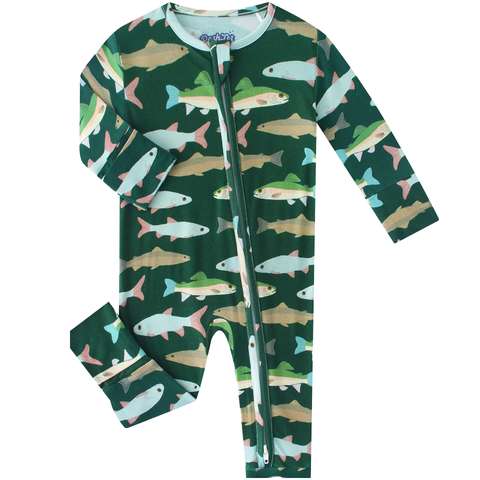
Exploring Viscose from Bamboo: A Superior Choice for Baby Pajamas
When it comes to baby apparel, safety, comfort, and sustainability are paramount. Viscose derived from bamboo has emerged as a standout material in the textile industry, particularly for baby pajamas. Its unique properties, including unmatched softness, moisture-wicking capabilities, and eco-friendly appeal, make it an ideal fabric choice for infant wear. Through high-precision industrial machinery, manufacturers can craft GSM-specific fabrics that ensure premium fabric density and durability, ultimately meeting both consumer and industry demands.
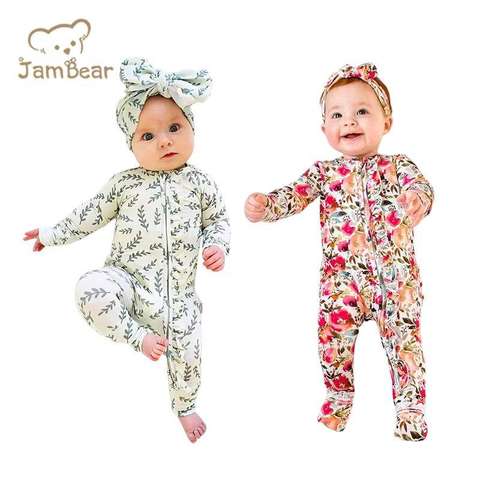
The Role of GSM and Fabric Density in Baby Pajamas
Fabric density and GSM (Grams per Square Meter) are essential metrics in textile engineering. GSM measurements determine the weight and thickness of fabrics, directly influencing their comfort levels, durability, breathability, and suitability for various applications. For baby pajamas, an optimal GSM range of 160–200 serves as a benchmark for creating garments that strike a balance between lightweight comfort and adequate coverage for maintaining warmth.
Viscose from bamboo, produced through a precise chemical process, offers exceptional flexibility in GSM customization. By fine-tuning the density of the final fabric, manufacturers create baby pajamas that are simultaneously soft, breathable, and robust. Industrial fabric machines, incorporating advanced technologies like air-jet weaving and circular knitting, allow for precise GSM tailoring, ensuring consistent quality with minimal variance during production.
Viscose from Bamboo: Key Properties and Advantages
Viscose extracted from bamboo offers several superior qualities that are especially suitable for baby wear:
- Softness: The fibers naturally exhibit a smooth surface, which translates to unparalleled softness in finished garments. For babies, whose delicate skin is prone to irritation, this softness is a critical factor.
- Moisture Management: Bamboo viscose boasts excellent moisture-wicking capabilities. It absorbs sweat and keeps the skin dry, significantly reducing discomfort.
- Hypoallergenic Nature: Bamboo-derived viscose is less likely to cause allergies compared to other fabrics. This is particularly relevant for infants with sensitive skin conditions such as eczema.
- Thermal Regulation: The fibers naturally adapt to temperature fluctuations, encouraging breathability in warm climates and insulation during cooler weather.
- Eco-Friendly Appeal: Bamboo is among the fastest-growing plants in the world, requiring minimal resources to thrive. Fabrics derived from bamboo viscose support sustainable sourcing and production principles.
These properties elevate bamboo viscose as a preferred fabric choice for baby pajamas, addressing both safety and functionality concerns while aligning with the growing demand for eco-conscious products.
Industrial Machinery in Bamboo Fabric Production
The production of bamboo viscose involves sophisticated processes that heavily rely on advanced industrial machinery. Each phase of production, from raw bamboo treatment to fabric weaving, leverages precision engineering to ensure optimal quality.
Fiber Extraction and Chemical Processing
Fibers from bamboo stalks are extracted using mechanical pulping or chemical treatment methods. For viscose production, chemical processes such as sodium hydroxide soaking and carbon disulfide treatment are utilized to transform bamboo into a cellulose solution. This solution is then spun into fibers with exceptionally smooth and uniform textures. Automated machinery equipped with controlled reaction chambers maintains consistency in fiber quality and improves production speeds.
Fabric Formation: Incorporating GSM Control
After fiber extraction, the next stage involves converting viscose fibers into fabric using various weaving and knitting techniques. Key machinery includes:
- Air-Jet Weaving Machines: Ideal for producing fabrics like twill or sateen with a focus on GSM accuracy. Air-jet machines can precisely regulate thread insertion for consistent fabric density.
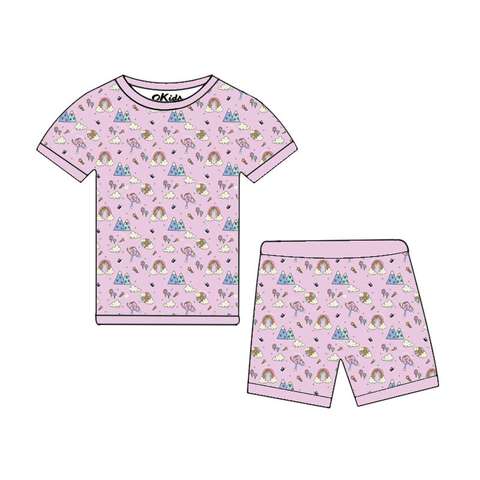
- Circular Knitting Machines: Used for creating softer, stretchable bamboo viscose fabrics, these machines excel at producing seamless garments like rompers and full-body baby pajamas.
- Calendering Machines: These machines improve the fabric's surface smoothness and ensure uniform GSM across finished material.
Quality Testing and Finishing
Post-production, textile mills engage in meticulous quality assurance processes to evaluate the performance characteristics of bamboo viscose fabrics. GSM testing, tensile strength analysis, and breathability assessments are conducted using industry-grade machinery such as GSM cutters, precision scales, and airflow measurement systems. Finishing equipment is then employed to finalize the fabric for garment production, involving processes like heat-treatment, dyeing, and softening.
Bamboo Viscose Production and Sustainability
Environmental concerns have led manufacturers to prioritize sustainable practices throughout production. Bamboo is a renewable resource that grows rapidly without the need for pesticides or fertilizers, offering significant eco-friendly advantages over cotton and synthetic fibers.
Modern industrial machinery further enhances sustainability through:
- Efficient Water Usage: Advanced machinery allows bamboo fabric production processes to minimize water consumption, particularly in chemical processing and dyeing stages.
- Waste Reduction: Fabric recycling systems integrated into production lines prevent material wastage and facilitate the repurposing of offcuts.
- Energy-Efficient Operations: Many textile machines are now designed with energy-saving mechanisms that lower production costs while reducing environmental impact.
Viscose from bamboo baby pajamas provide both manufacturers and consumers with a compelling option to meet industry standards without compromising sustainability goals.
| Fabric Type | Organic Bamboo |
| Compliance | CPSIA Compliant |
| Customization | Private Label |
| Lead Time | 38 Days |
: Why Bamboo Viscose is a Game-Changer for Baby Pajamas
Bamboo viscose is revolutionizing the baby apparel industry by delivering an unmatched combination of softness, sustainability, and performance. From the precise control of GSM for optimal fabric density to the dependable nature of industrial machinery employed in bamboo-based textile production, the process reflects advanced engineering that aligns with the evolving demands of end-users.
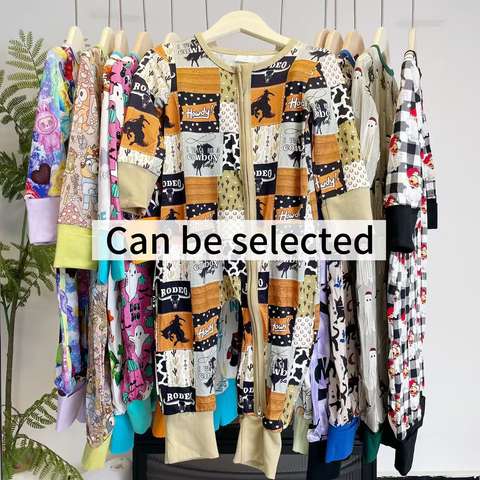
For manufacturers, adopting bamboo viscose unlocks opportunities for technological innovation, eco-friendly credibility, and versatile product development. As parents increasingly prioritize materials that promise safety, comfort, and environmental responsibility, bamboo viscose baby pajamas represent a game-changing solution. By leveraging cutting-edge machinery and adhering to stringent standards, businesses can ensure the production of high-quality apparel that resonates with modern consumer expectations — both in terms of performance and sustainability.