Bespoke Kid Bamboo Pajama Set Custom Supplier
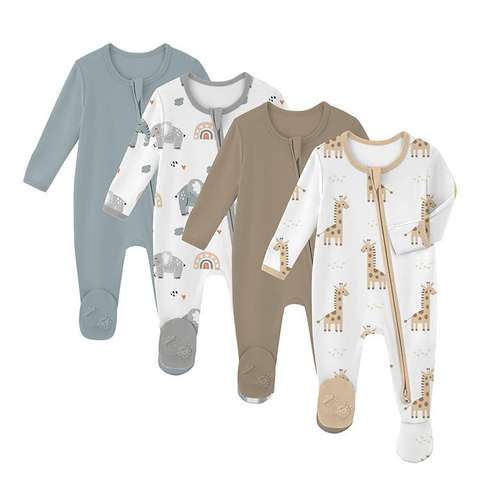
The Engineering Behind Kid Bamboo Pajama Sets: GSM, Fabric Density, and Industrial Machinery
A kid bamboo pajama set may seem like a simple garment at first glance. However, its production embodies cutting-edge textile engineering and precision manufacturing. From understanding GSM (grams per square meter) to leveraging high-tech industrial machinery, creating these sustainable and comfortable pajamas requires precision and expertise.
Understanding the GSM of Bamboo Pajama Fabric
GSM, or grams per square meter, is a critical indicator of fabric quality, density, and feel. For bamboo pajama sets, especially for kids, it is essential to balance softness, durability, and weight. GSM determines how lightweight or heavy the fabric feels, which directly impacts wearability and breathability—two essential parameters for children's nightwear.
For most kid bamboo pajama sets, the GSM usually falls within the range of 180 to 250 GSM. A lower GSM, closer to 180, ensures a lightweight yet breathable fabric, ideal for warm climates or summer wear. On the other hand, a GSM closer to 250 offers a slightly heavier, more insulating fabric suitable for cooler weather.
To achieve the desired GSM, manufacturers control various production processes, including the type of bamboo yarn, its weave, and the finishing process. This precision is necessary to ensure that the fabric meets consumer demands for comfort, durability, and moisture-wicking properties.
The Importance of Fabric Density for Kids' Pajama Sets
Fabric density is closely related to GSM but dives deeper into the thread count, weave pattern, and construction of the material. For bamboo fabrics, achieving optimal density ensures the pajamas feel luxuriously soft while maintaining durability and stretch for active kids.
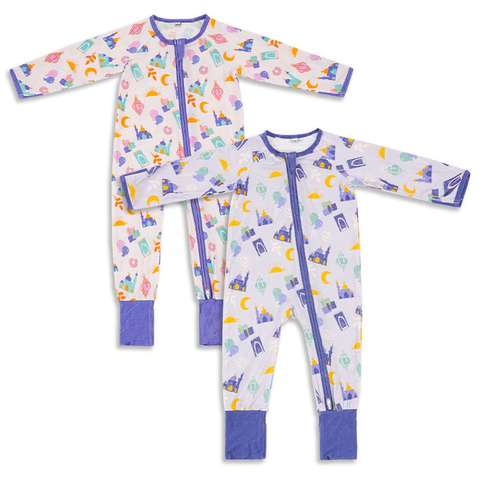
High-density fabrics often feature tighter weaves or advanced knit patterns, which prevent the material from becoming threadbare over time. This density also affects how the fabric holds dye, making the pajamas resistant to fading even after multiple washes. Additionally, ideal density plays a role in regulating body temperature, keeping children cool in summer and warm in winter—a hallmark feature of bamboo textiles.
For children’s pajamas, especially, achieving the right balance between density and flexibility is critical. Overly dense fabrics may restrict movement, while too loose a weave could compromise durability. This balance is achieved using a strategic combination of thread type, weave style, and industrial calibration.
Industrial Machinery in Bamboo Fabric Production
The production of kid bamboo pajama sets relies on innovative industrial machinery that processes bamboo fibers with precision and efficiency. Unlike conventional cotton or synthetic fibers, bamboo requires unique equipment due to its natural properties and the eco-friendly goals associated with its production.
From Bamboo Stalks to Soft Fabric: The Initial Fiber Processing
Creating textiles from bamboo begins with the transformation of bamboo stalks into cellulose. This process involves specialized machinery such as steam boilers, chemical digesters, and mechanical pulpers. In eco-conscious manufacturing setups, closed-loop systems minimize water and energy usage while recycling chemicals, aligning perfectly with sustainability goals.
The extracted bamboo cellulose is then spun into viscose or mechanically combed into fabric-friendly fibers. These steps require precision-controlled spinning frames that ensure the fibers remain uniform and suitable for downstream knitting or weaving applications.
Knitting and Weaving Technologies
Industrial knitting and weaving machines play a pivotal role in bamboo pajama production. The selection of the knitting machine (circular knit, interlock, or warp knitting) depends on the style of the pajama—whether it requires a stretchy fabric or more structural integrity.
For instance, circular knitting machines enable the production of seamless fabrics with incredible stretch, ideal for kid-friendly clothes. Meanwhile, flat knitting machines are essential for creating fabric with tight, durable weaves. Both machines use advanced digital programming to calibrate stitch sizes and courses per inch (CPI), ensuring consistency across batches.
Fabric Finishing Processes
The softness, shine, and moisture-wicking capabilities of bamboo pajamas are achieved during the finishing stage. Machinery such as softening rollers, mercerizing units, and calendaring systems are implemented to enhance the fabric quality. Softening rollers reduce friction between fibers, giving the fabric its characteristic "second-skin" feel, while calendaring adds a subtle luster that enhances visual appeal.
, antimicrobial treatment units ensure the pajamas are hypoallergenic and safe for children’s sensitive skin. All these steps are performed with programmed precision, ensuring the batch-to-batch reproducibility of high-quality kid bamboo pajamas.
The Sustainability Edge of Kid Bamboo Pajama Sets
Bamboo as a raw material has revolutionized the textile industry—and for good reason. It is one of the fastest-growing plants in the world, thriving without pesticides or excessive water. This makes bamboo-based fabrics an eco-friendly alternative to conventional cotton and synthetic fibers.
| Fabric Type | Organic Bamboo |
| Compliance | ASTM F963 |
| Customization | ODM |
| Lead Time | 32 Days |
For B2B manufacturers, sustainability is no longer a "nice-to-have"; it is a business imperative. Kid bamboo pajama sets tap into this trend by delivering eco-conscious products without compromising on performance or comfort. Here’s how sustainability is optimized through the production process:
- Closed-Loop Systems: Advanced chemical processing units recycle nearly all liquids used in the production of bamboo viscose, reducing waste.
- Energy-Efficient Machinery: Modern industrial equipment minimizes energy use during fiber extraction, knitting, and dyeing.
- Biodegradability: Bamboo pajamas decomposed properly have minimal environmental impact at the end of their lifecycle.
These factors make bamboo pajama sets a compelling choice for businesses looking to align with eco-conscious consumers and corporate sustainability goals.
Why B2B Manufacturers Should Invest in Kid Bamboo Pajama Sets
With the global demand for sustainable, high-performance textiles on the rise, kid bamboo pajama sets represent an emerging market ripe for investment. Retailers and wholesalers are increasingly responding to consumer demands for eco-friendly children’s clothing that delivers on both comfort and durability. This presents a unique opportunity for manufacturers to step in with superior products.
The technical advantages—such as optimal GSM, precise fabric density, and state-of-the-art manufacturing—enable manufacturers to produce bamboo pajamas that not only meet but exceed customer expectations. Additionally, the sustainable and hypoallergenic nature of bamboo gives businesses a strong marketing advantage in competitive markets.
, innovative machinery investments drive production efficiency, reducing costs and increasing output without sacrificing fabric quality. Businesses can easily scale production to meet international market standards, making bamboo pajama sets a practical and lucrative addition to product catalogs.
By integrating advanced GSM calibration, precise density control, and eco-friendly production techniques, manufacturers can establish themselves as leaders in the sustainable textile sector—positioning kid bamboo pajama sets not just as a garment, but a breakthrough in engineering and environmental responsibility.