Tailormade Baby Rompersbamboo Pajamas Bespoke Oem
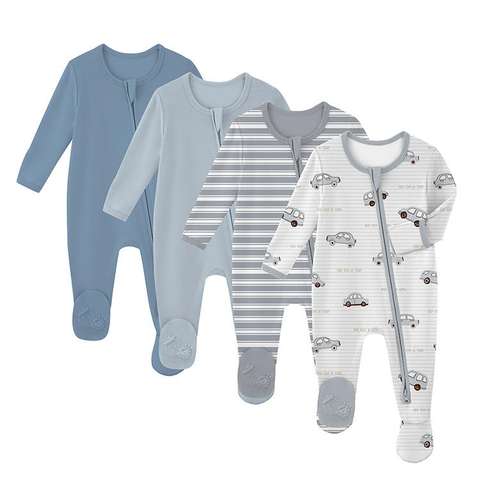
The Role of GSM and Fabric Density in Manufacturing Bamboo Baby Rompers and Pajamas
As demand for sustainable, high-quality baby clothing continues to grow, bamboo fabric has carved out a niche in the textile industry. Baby rompers and bamboo pajamas top the list for their comfort, sustainability, and durability. However, behind these stylish and cozy products lies extensive technical expertise, particularly in areas like GSM (grams per square meter), fabric density, and industrial machinery. This article explores how these factors converge to create exceptional bamboo baby apparel.
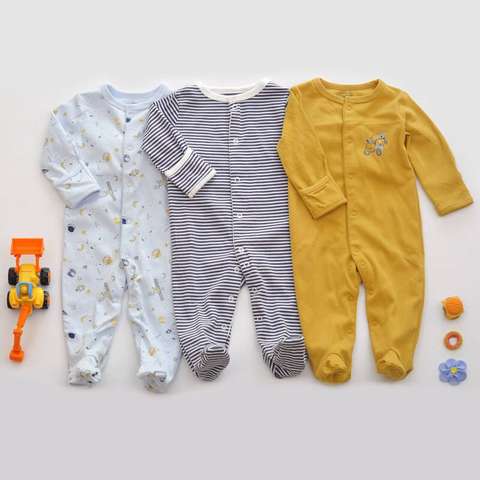
Understanding GSM and Fabric Density in Bamboo Textiles
Grams per square meter, or GSM, is a key metric in the textile industry, indicating fabric weight and density. For bamboo textiles used in baby clothing, GSM significantly affects the softness, breathability, and durability of the product.
- Low GSM (150-200): Fabrics in this range are lightweight, highly breathable, and ideal for summer rompers.
- Medium GSM (200-300): This range balances thickness and breathability, which is suitable for year-round use, especially in bamboo pajamas for babies.
- High GSM (300 and above): These fabrics are heavier and more suitable for colder climates.
Fabric density is closely tied to GSM but refers specifically to the weave's tightness. In bamboo fabrics for baby rompers and pajamas, a tight weave ensures durability, while maintaining softness and breathability. Achieving the correct balance is critical for both parent satisfaction and garment performance.
Industrial Machinery for Precision and Consistency
The production of bamboo baby apparel involves advanced industrial machinery engineered for precision. These machines must handle bamboo-based fabrics delicately while ensuring consistent quality across batches. Here are some key machines used in manufacturing:
- Knitting Machines: High-speed circular knitting machines are used for creating bamboo fabric with the desired stretch and texture. These machines can be calibrated to control fabric density and thickness.
- Dyeing Machines: Bamboo fabric requires careful dyeing to retain its natural softness and hypoallergenic properties. Jet dyeing machines are particularly effective, ensuring uniform color while preserving fabric integrity.
- Cutting and Sewing Machines: Precision is essential when cutting and sewing bamboo baby apparel. Computerized cutting machines reduce fabric waste, while overlock and flatlock machines create durable seams that won’t irritate a baby’s skin.
Automation plays an increasingly crucial role in this process. Modern machinery equipped with AI and IoT capabilities can adjust settings in real-time, ensuring minimal defects and consistent output while meeting demanding production schedules.
Sustainability: A Driving Force Behind Bamboo Baby Rompers and Pajamas
One of the main reasons why bamboo has gained popularity in baby clothing is its eco-friendliness. From cultivation to manufacturing, bamboo has a smaller environmental footprint compared to traditional fabrics like cotton. However, sustainability isn’t just about the raw materials—it also involves optimizing every aspect of production.
The Eco-Friendly Benefits of Bamboo
Bamboo is a fast-growing plant that requires minimal water and no pesticides, making it an ideal sustainable choice for textiles. Its natural properties, including breathability, moisture absorption, and UV protection, make it suitable for baby apparel. Additionally, bamboo's biodegradability aligns with the rising demand for environmentally friendly products.
Energy-Efficient Machinery in Bamboo Apparel Manufacturing
Manufacturers are increasingly deploying energy-efficient machinery to produce bamboo baby rompers and pajamas. These machines not only reduce energy consumption but also lower emissions, supporting global sustainability goals. For instance:
- Advanced Spinning Machines: Modern spinning equipment used for bamboo fibers can dramatically cut down energy usage by incorporating renewable energy sources and waste heat recovery systems.
- High-Performance Driers: Drying bamboo fabrics can now be done using low-energy infrared technology, which also helps retain fabric quality.
These technological advancements ensure that sustainability is woven into every stage of the production process, from raw material sourcing to finished garments.
Recycling and Waste Management
Implementing recycling programs for bamboo fibers and reusing waste fabric generated during production is another eco-friendly measure. Industrial cutting machines with precision sensors minimize fabric offcuts, while leftover material can be repurposed into baby’s accessories like bibs or mittens.
| Fabric Type | Pima Cotton |
| Compliance | CPC Certified |
| Customization | Custom |
| Lead Time | 40 Days |
Quality as a Competitive Advantage in Baby Bamboo Apparel
In the competitive market of baby clothing, quality is paramount. Parents are not only looking for adorable designs but also for trustworthy, premium materials. Manufacturers must meet their needs by ensuring the highest quality at each step, from fabric selection to final assembly.
Compliance with Safety Standards
Baby clothing must meet stringent safety standards to prevent risks such as choking hazards or skin irritation. Bamboo pajamas and rompers should adhere to regulations such as:
- Oeko-Tex Certification: Ensures the fabric is free from harmful chemicals.
- EN 71: A European standard for material safety, especially for items that come in close contact with infants.
- ASTM Standards: U.S. standards for quality and safety across various industries, including textiles.
Consistency Through Automation and AI
Maintaining fabric consistency is another aspect of delivering quality. Industrial sewing machines now use AI-integrated sensors for detecting thread tension, stitch quality, and seam integrity. This minimizes the risk of production errors and ensures that each garment meets the same high standards. Automated fabric graders also scan for GSM consistency, ensuring that each romper or pajama matches its specifications accurately.
Comfort in Design
Bamboo baby clothing must prioritize comfort. Design features such as flat seams, tagless labels, and stretchy fabric play significant roles in delivering a soft, pleasant feel. Industrial knitting and sewing machines specifically tuned for children's wear production enable manufacturers to achieve these design goals with precision and efficiency.
: Engineering Excellence Behind Bamboo Baby Rompers and Pajamas
Producing bamboo baby rompers and pajamas is a highly technical process that combines innovative machinery, precise fabric engineering, and a commitment to sustainability. GSM, fabric density, and industrial automation are integral to ensuring that these garments are of the highest quality, providing both comfort and durability for infants.
As the market for sustainable baby clothing grows, manufacturers must continue to invest in cutting-edge technology and sustainable practices. The result is not only adorable and functional baby apparel, but also products that contribute to a greener planet and bring significant value to wholesalers, retailers, and end customers alike.