Bespoke Kids Bamboo Pj Private Label Exporter
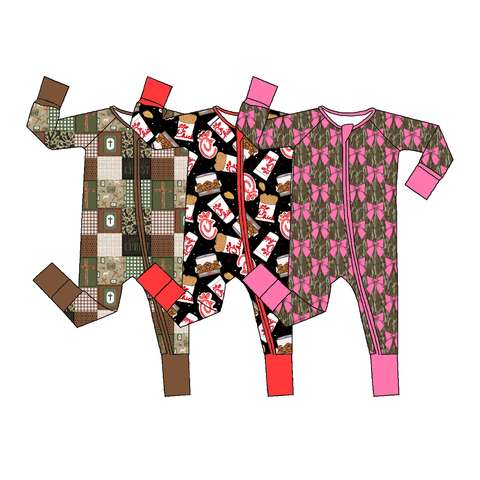
Technical Insights into Kids Bamboo Pajamas: GSM, Fabric Density, and Production Machinery
Bamboo fabric has become a preferred choice for kids' pajamas due to its softness, breathability, and inherent sustainability. Behind the comfort and eco-friendliness lies a highly intricate manufacturing process that balances fabric density, measured in GSM (grams per square meter), with advanced industrial machinery. In this article, we’ll delve into the technical aspects that make kids bamboo pajamas a unique and desirable product for both businesses and consumers.
Understanding GSM and Its Role in Fabric Quality
GSM, or grams per square meter, is a fundamental metric in the textile industry for evaluating fabric weight and quality. For kids’ bamboo pajamas, choosing the right GSM is critical to achieving the desired balance between comfort, durability, and breathability. Typically, fabrics within the 160-250 GSM range are ideal for sleepwear.
Bamboo pajamas for kids usually fall within 180-220 GSM. Why this range? Lower GSM fabrics provide a lightweight, breathable feel, ideal for warm weather use. On the other hand, higher GSM ensures optimal wear resistance and warmth, which is better suited for colder climates. Manufacturers must strike a balance based on target markets and seasonal demands.
Precise GSM also influences shrinkage rates and wear life. Bamboo fabric that is too light (e.g., below 160 GSM) may become prone to tearing under frequent washing and handling, while overly dense fabric (>250 GSM) may lose its softness and begin to feel heavy—two outcomes no consumer desires for kids’ pajamas. For B2B buyers, accurate GSM labeling is often a key quality indicator from suppliers.
The Importance of Fabric Density in Kids Bamboo Pajamas
Beyond GSM, fabric density plays a pivotal role in defining the tactile experience and functionality of the final bamboo textile. Fabric density refers to the number of fibers woven or knit into a specific area, such as threads per inch (TPI) or courses per centimeter (CPC). In knitted bamboo fabrics, particularly jersey knit or interlock often used for kids' pajamas, the configuration impacts the stretch, softness, and moisture-wicking capabilities.
Bamboo fabrics designed for pajamas generally lean toward a middle-ground density that optimizes breathability without compromising coverage. For instance, a lower density knit allows for greater airflow, ideal for active kids or tropical environments. Higher density woven or knit fabrics, like interlock, are embraced for their durability and insulation, particularly for cold-weather sleepwear. Fabric density directly affects consumer perception; a product that is too flimsy may feel insubstantial, while overly dense sleepwear could restrict movement and comfort.
Industrial production processes meticulously monitor fabric density, often using sophisticated spectrographs and cameras to ensure uniformity across large batches. Even slight inconsistencies in density can result in misaligned finishes, excessive shrinkage, or non-uniform dye absorption, which can affect product quality and brand reputation.
Industrial Machinery: The Backbone of Bamboo PJs Production
Production of kids’ bamboo pajamas involves multiple stages: yarn extraction, fabric knitting or weaving, dyeing, finishing, cutting, and sewing. Among all these, industrial machinery plays an instrumental role in ensuring efficiency, quality, and scalability. Below, we explore key stages and their corresponding machinery:
Fiber Processing and Yarn Production
Raw bamboo fibers, often derived using mechanical or enzymatic processes (in contrast to the harsher chemical processing), are converted into fine yarns suitable for textiles. Machinery like carding machines and drawing frames are used to align and straighten bamboo fibers to create a uniform structure. Ring spinning machines or open-end spinning machines then produce the bamboo yarn—the base material for later fabric production.
Knitting and Weaving Machines
Once the yarn is spun, the fabric is created using circular knitting machines (for jersey knits) or interlock machines, both of which are common in the production of stretchable bamboo fabrics. These state-of-the-art machines can handle high-speed operations while maintaining precision in tension and fiber integrity. Laser alignment and automated tension control ensure an consistent fabric density throughout production runs.
For woven bamboo pajamas, rapier or air-jet looms offer fast, efficient weaving, enabling manufacturers to rapidly produce high-density fabrics while retaining the natural softness and stretch properties that bamboo textiles are known for.
Dyeing and Finishing Lines
The success of kids’ bamboo pajamas also hinges on vibrant, long-lasting colors and consistent finishes. Industrial dyeing machines—often designed with an environmentally friendly approach due to bamboo fabric’s sustainability goals—use reactive dyes for highly absorbent bamboo fibers. These machines ensure uniform dye penetration across high-volume fabric batches, emphasizing both quality and ecological compliance.
After dyeing, finishing machinery is critical. These machines include calenders, stenters, and softening lines to impart softness, reduce fabric shrinkage, and apply antimicrobial or moisture-wicking coatings. Many manufacturers incorporate enzyme finishing for bamboo fabrics to enhance their silky texture without compromising fiber integrity.
Cutting, Sewing, and Assembly
Bamboo fabric is notoriously slippery, a property that necessitates precision cutting and sewing methods. Automated cutting machines, guided by CAD (computer-aided design) patterns, ensure minimal material waste while achieving consistent shapes for mass production. Sewing lines equipped with stretch-lock or chain-stitch sewing machines accommodate the elasticity of bamboo pajama fabrics, reducing puckering and maintaining seam quality over extended product lifecycles.
Challenges and Innovations in Kids Bamboo Pajama Manufacturing
The production of kids' bamboo pajamas is not without its challenges, but innovation continues to drive the sector forward. Below are some critical considerations:
| Fabric Type | Organic Bamboo |
| Compliance | CPSIA Compliant |
| Customization | OEM |
| Lead Time | 29 Days |
Balancing Sustainability and Durability
Consumers increasingly demand sustainable kidswear, yet achieving high durability with eco-friendly methods is a key challenge. Manufacturers are investing in biodegradable fibers, low-impact dyes, and energy-efficient machinery to address these concerns. Further advances in fiber reinforcement technologies are helping balance durability with sustainable practices.
Reducing Production Waste
Bamboo fabric manufacturers are striving to reduce textile waste during the production cycle. Digital fabric monitoring, precision cutting technologies, and closed-loop systems for dye wastewater recycling are helping make bamboo pajama production more efficient.
Innovative Fabric Treatments
Fabric treatments, including UV-resistant coatings and temperature-regulating finishes, are increasingly applied to kids' bamboo pajamas to meet evolving consumer demands. Machinery capable of micro-coating applications plays a significant role in this innovation, particularly for high-performance children’s sleepwear.
: A Fusion of Comfort, Technology, and Sustainability
The journey from raw bamboo fibers to comfortable, durable kids’ pajamas is a testament to the capabilities of modern industrial engineering. The interplay of GSM, fabric density, and advanced machinery ultimately determines the quality and performance of these garments. Businesses that prioritize precision in these technical aspects are better positioned to meet consumer expectations while maintaining competitive advantages in the growing sustainable textiles market.
In the B2B space, understanding the technical underpinnings of bamboo pajama production empowers buyers and suppliers alike to make informed decisions, ensuring that end-users—children and their parents—enjoy premium products that embody both comfort and environmental responsibility.