Bespoke Kids Sublimation Pjs Christmas Cpsia Compliant Vendor
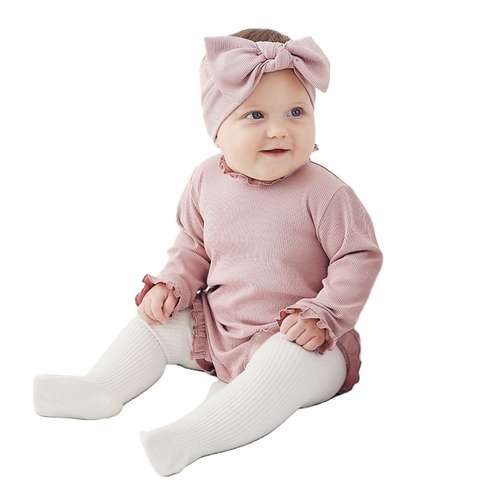
The Technical Precision Behind Kids Sublimation Christmas Pajamas
The world of kids' pajamas has evolved significantly in recent years, particularly with the advent of sublimation printing and advanced fabric manufacturing techniques. For businesses specializing in Christmas-themed sleepwear, understanding the interplay between fabric density (GSM), sublimation efficiency, and the industrial machinery required is paramount. This article delves into the technicalities behind producing high-quality sublimation kids' pajamas for Christmas, focusing on the engineering aspects that drive production quality and efficiency.
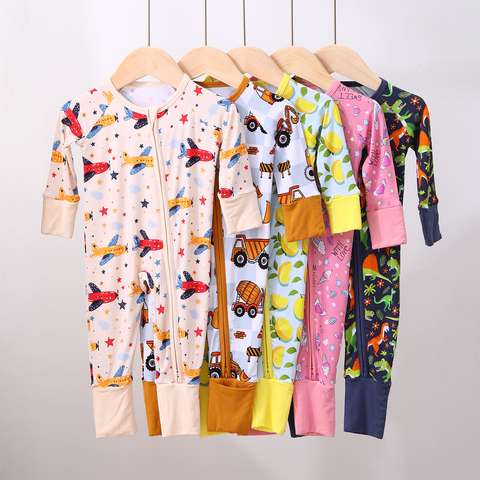
Understanding GSM in Kids Pajama Fabrics
GSM, or grams per square meter, is a critical measurement in fabric production. It determines the weight and density of the textile, directly impacting both the comfort and performance of kids' Christmas pajamas. Manufacturers targeting the sublimation printing market must carefully consider this aspect to ensure vibrant results and durability.
For children’s sleepwear, the ideal fabric GSM typically ranges between 150 and 200. A lower GSM may result in lightweight pajamas that are soft and breathable but may lack durability and adequate coverage. Conversely, a higher GSM could provide more structure and warmth but might reduce breathability—a critical factor for children’s comfort during sleep.
The optimal GSM for sublimation kids pajamas also depends on the fabric composition. Sublimation printing works best on synthetic fibers, with polyester being the primary choice due to its ability to bond effectively with sublimation dyes. A pure polyester fabric around 160 GSM is often preferred, striking a balance between quality, print clarity, and comfort.
The Role of Fabric Types in Sublimation Christmas Pajamas
Not all fabrics are created equal when it comes to the sublimation process. Polyester leads the pack thanks to its molecular structure, which allows it to absorb and hold sublimation ink dyes effectively. However, selecting the right blend can further refine the characteristics of the pajamas.
Common fabric blends used in kids' sublimation Christmas pajamas include polyester-spandex blends, which add stretch and flexibility, and polyester-cotton blends, which may slightly compromise print vibrancy but provide a softer feel. For Christmas-themed sleepwear, the fabric must be able to handle the intricate, high-contrast holiday designs while offering comfort and durability.
, moisture-wicking properties of polyester-based fabrics are a crucial consideration. These properties allow kids to stay cool and dry during the night, an essential feature for sleepwear, particularly during indoor festivities where temperatures might rise.
Sublimation Printing Technology for Kids' Pajamas
The sublimation printing process is at the heart of manufacturing Christmas-themed kids' pajamas with vivid, non-fading designs. It involves transferring dye from a solid to a gaseous state under high heat and pressure, allowing it to permeate the fabric’s fibers. The result is a print that becomes one with the material, ensuring durability and vibrancy.
Industrial sublimation printing machines are specifically designed to handle high volumes of production while maintaining consistent quality. Heat press machines and roll-to-roll sublimation printers are the most commonly used equipment in this domain. Depending on production scales, manufacturers may opt for flatbed presses for small batches or rotary drum heat presses for high-capacity operations.
Precision is paramount in the sublimation process. Factors such as temperature, pressure, and dwell time must be carefully calibrated to achieve optimal results. Heat presses typically operate at temperatures between 375°F (190°C) and 400°F (205°C), with an average dwell time of 45–60 seconds. The printing pressure should be evenly distributed to ensure a smooth and seamless transfer.
Quality Control in Industrial Production
The mass production of kids’ sublimation pajamas for Christmas requires rigorous quality control to meet both customer expectations and safety standards. Children’s sleepwear in particular is subject to stringent regulations for flammability and chemical safety, making precision in manufacturing essential.
Industrial machinery, equipped with automated quality control systems, ensures that each piece of fabric is consistently printed and cut to specification. Automation plays a critical role in reducing errors in color matching and alignment, especially for multi-panel pajamas with intricate designs. For example, digital imaging software can analyze print alignment in real-time, minimizing waste and ensuring production efficiency.
It’s important to note that sublimation printing is limited to white or light-colored surfaces, necessitating an additional step to ensure uniform fabric color if vibrant non-white designs are required. Producers typically use pre-dyed or pre-treated fabrics to achieve such effects without compromising print quality.
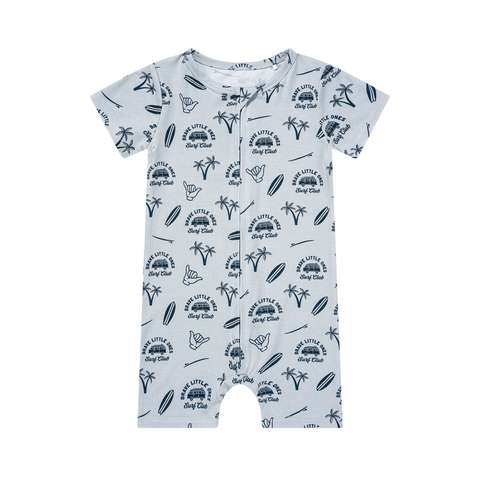
Industrial Machinery and Efficiency in Sublimation Production
Investing in the right industrial machinery is a game-changer for scaling sublimation pajama production while maintaining high quality and consistency. Specialized equipment designed for textile sublimation streamlines workflows and reduces production time significantly.
| Fabric Type | Organic Bamboo |
| Compliance | ASTM F963 |
| Customization | ODM |
| Lead Time | 24 Days |
Rotary heat presses, for instance, allow the continuous transfer of designs onto fabric rolls, making them ideal for high-volume production. Paired with bulk ink systems, accurate color management, and automated tension controls, these machines offer an exceptionally streamlined process for creating holiday-themed pajamas.
CNC fabric cutting machines are another indispensable component in industrial pajama production. Precision cutting is crucial when dealing with sublimation-printed textiles to ensure seamless assembly without disrupting patterns. Integrated software allows manufacturers to design and cut multiple pajama sizes with maximum fabric efficiency and minimal waste.
In addition, advanced sewing equipment contributes greatly to the durability and comfort of children’s pajamas. Flatlock stitching and seamless sewing techniques, often supported by automated sewing machines, are widely used to eliminate irritation points and extend the garments’ lifespan.
: Key Considerations for B2B Partners in the Kids Sublimation Pajama Market
The production of kids' sublimation Christmas pajamas is a highly technical process that intertwines material science, engineering precision, and advanced manufacturing techniques. For businesses entering this market, understanding the relationship between GSM, fabric types, sublimation printing technology, and industrial machinery is critical to success.
To summarize, manufacturers should prioritize sourcing high-quality polyester fabrics with optimal GSM values tailored for sublimation printing. Investing in cutting-edge machinery and implementing rigorous quality control protocols can significantly improve production efficiency and ensure compliance with safety standards. By mastering these elements, B2B partners can position themselves as leaders in the competitive world of kids’ sublimation pajama production, delivering durable, comfortable, and visually stunning products for the holiday season.