Cpc Certified Baby Summer Rompers Pajamas Set Solid Color Baby Pajama Digital Print Sleeper Pajamas For Baby Gots Organic Wholesale
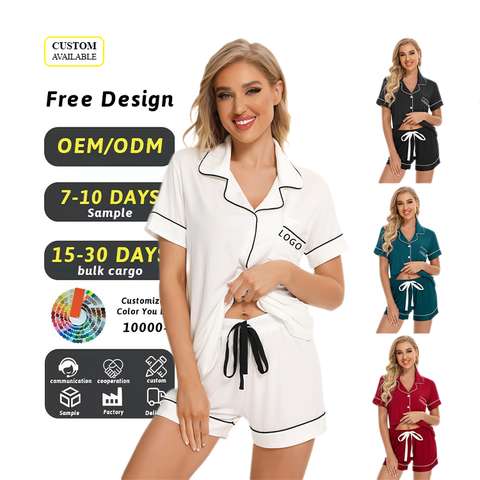
The Role of Fabric and GSM in Baby Summer Rompers and Pajamas
In the realm of baby clothing, especially summer rompers and pajamas, technical specifications such as GSM (grams per square meter), fabric density, and the manufacturing process play pivotal roles. These aspects are not only critical for end-user satisfaction but also for ensuring functionality, safety, and durability in the final product. For manufacturers keen on developing solid color rompers, digital print sleepers, or versatile baby pajamas, having a command of these technical parameters is essential.
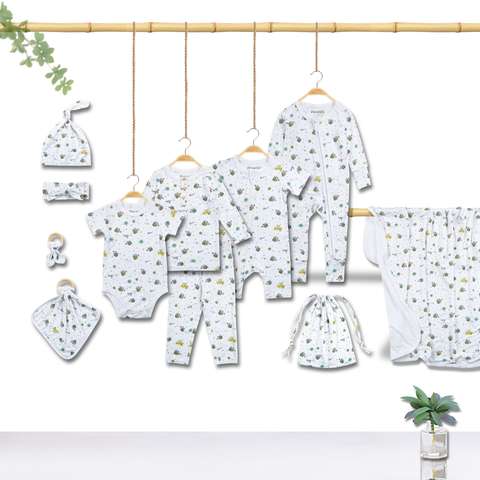
Understanding GSM and Its Significance
GSM in textiles is a measurement of fabric thickness and weight, which directly influences the feel, comfort, and breathability of baby clothes. For baby pajamas and rompers, an ideal GSM typically ranges between 100-150, ensuring that the fabric is lightweight yet durable — perfect for sensitive infant skin. Higher GSM fabric, such as above 200, may feel too heavy or warm for summer wear, while lower GSM fabric could lack durability or structure.
Specifically for summer baby wear, GSM also affects air permeability. Well-engineered fabrics with optimal GSM maintain the delicate balance between softness and strength. When selecting the right GSM in the production of solid-colored or digitally printed baby rompers, precision-driven control in the weaving process is required.
Fabric Density and Its Impact
Fabric density complements GSM as another crucial metric during the apparel design process. Density relates to the number of yarns per unit area in the fabric, ensuring premium durability while maintaining a soft texture. For baby pajamas, the appropriate tightness of the weave can provide excellent comfort, avoiding irritation to the skin without sacrificing structural integrity.
Consider digitally printed pajama sets: the process demands a specific density that holds prints effectively while avoiding print bleed or inconsistency in the design. Solid color rompers, on the other hand, rely on uniform density to maintain a clean aesthetic. Industrial machinery outfitted with computerized controls ensures that fabric parameters are consistently met, minimizing room for error.
Advanced Industrial Machinery in Baby Apparel Manufacturing
Technological advancements in textile machinery have revolutionized the manufacturing of baby pajamas and rompers. High-speed industrial machines, automated digital printers, and precise fabric cutting machines allow for efficient scaling without compromising quality. Below, we explore how each type of machinery is integral to producing summer rompers and pajamas for babies.
Industrial Knitting and Weaving Machines
The first step in creating baby rompers and pajamas is fabric formation. Industrial knitting and weaving machines play a critical role in producing lightweight and breathable textiles. These machines offer tight control over parameters like yarn density and weave style, directly influencing the quality of the final product.
For baby summer wear, popular materials include cotton and cotton blends. Circular knitting machines, enhanced with advanced control systems, maintain a consistent weave suitable for delicate baby skin. Warp knitting machines are also widely employed for lightweight, stretchable fabrics used in summer rompers and pajama sets.
Precision Cutting and Sewing Machines
Fabric cutting is another crucial stage in manufacturing. Laser-guided precision cutting machines ensure minimal material wastage while producing highly consistent fabric pieces. These cuttings are then stitched by computerized sewing machines that offer enhancements such as flatlock seams, which reduce chafing on delicate skin.
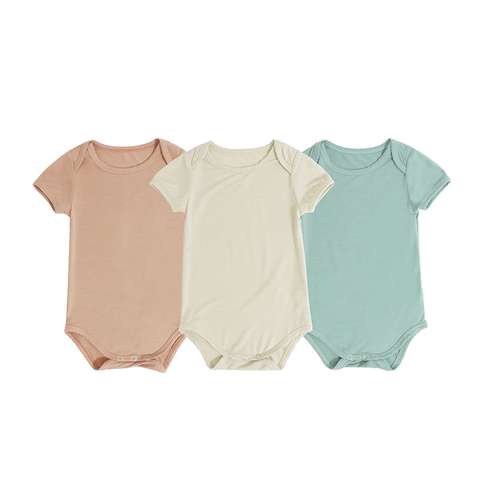
For baby rompers with solid colors or digital prints, precision stitching ensures that the garments maintain their intended shape and durability despite daily washing and wear. Seam reinforcements also extend the longevity of these clothes, a necessity for baby garments often subject to high laundering frequencies.
Digital Printing for Baby Pajamas
Digital printing machines play a transformative role in the production of baby sleepwear featuring vibrant colors or intricate patterns. These machines employ inkjet technology for highly precise application of water-based inks, ideal for sensitive baby skin. Digital printing allows tremendous design flexibility, enabling manufacturers to produce multicolored patterns without additional production steps.
Modern digital printing systems can achieve remarkable durability and colorfastness, ensuring that the designs on baby pajamas remain vivid even after numerous washes. Eco-friendly dyes and inks, which are non-toxic and hypoallergenic, align with industry safety standards for baby apparel manufacturing.
The Importance of Safety and Compliance in Baby Pajama Production
For B2B manufacturers catering to baby clothing markets, maintaining safety standards and compliance is paramount. Baby summer rompers and pajamas must undergo stringent chemical and physical testing before they are deemed safe to wear. Key areas for compliance include fabric toxicity, mechanical hazards (such as loose threads or poorly sealed seams), and flame resistance.
OEKO-TEX Certification
Many baby clothing manufacturers pursue OEKO-TEX certification to signal their commitment to safety. This certification ensures that no chemicals harmful to skin or health are used in the textile production process. By integrating sustainable practices into their manufacturing, businesses cater to an increasingly eco-conscious customer base.
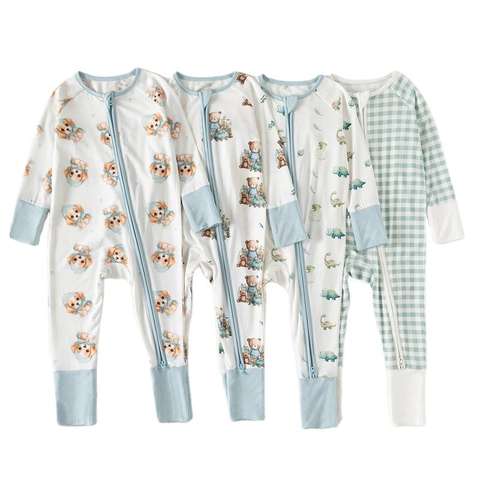
| Fabric Type | Organic Bamboo |
| Compliance | ASTM F963 |
| Customization | ODM |
| Lead Time | 18 Days |
Flame-Retardant Finishes
Another essential safety feature for baby pajamas is flame resistance. Fabrics commonly used for sleepwear, such as cotton, often include non-toxic flame-retardant finishes. Advanced industrial machinery can apply these finishes uniformly without affecting the GSM, density, or aesthetic properties of the garments.
Maximizing Productivity with Automation in Baby Garment Manufacturing
Automation has fundamentally changed the way baby apparel is manufactured. By reducing manual labor and enhancing precision, automated systems allow manufacturers to scale operations while maintaining product integrity. Below, we outline some of the key automated processes relevant to summer rompers and pajamas for babies.
Robotic Textile Handling
Robotic arms equipped with sensors can handle various stages of textile production, from yarn feeding to uplinked garment folding. These systems minimize human error, ensure consistent workmanship, and streamline operations. In the competitive B2B market, textile manufacturers leveraging robotics can handle tight deadlines without sacrificing quality.
Real-Time Quality Control Systems
Quality control is an integral aspect of baby clothing manufacturing. Equipment with real-time monitoring systems actively scans for irregularities in fabric, print, and stitching, identifying defects instantaneously. This preemptive approach reduces waste and refines production efficiency, resulting in more reliable outputs for B2B clients.
: Balancing Innovation, Functionality, and Safety
The manufacturing of baby summer rompers and pajamas is as much a science as it is an art. Optimizing GSM, fabric density, and leveraging state-of-the-art industrial machinery not only improves product quality but also ensures compliance with safety regulations. From solid color rompers to intricately digitally-printed baby sleepers, attention to technical detail at every stage of manufacturing ensures the highest satisfaction for customers and end consumers alike.
As market demands veer increasingly towards sustainability, transparency, and efficiency, textile manufacturers must invest in innovative technologies and remain steadfast in their commitment to safety standards. By doing so, they secure their position as trusted suppliers in the competitive landscape of baby apparel manufacturing — while ensuring infants feel both comfortable and safe.