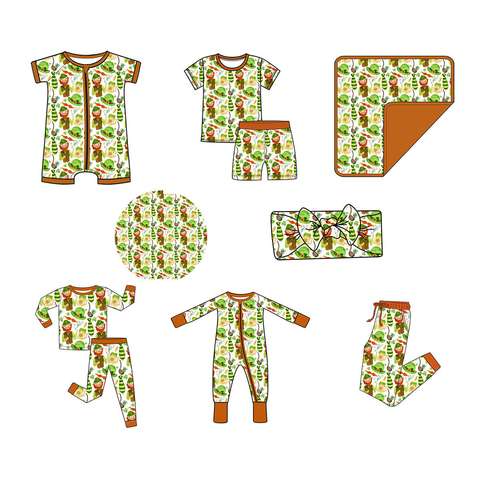
Bespoke Organic Bamboo Baby Clothes Private Label Vendor
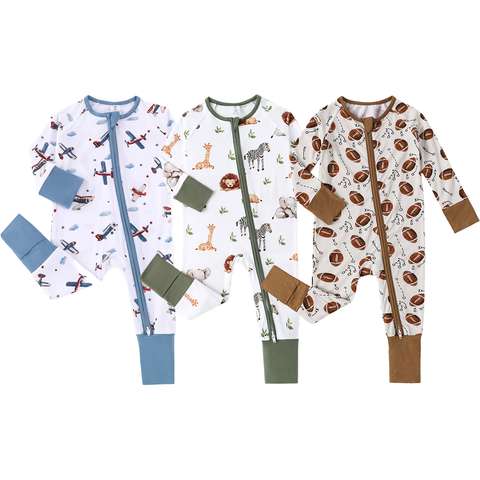
Exploring Organic Bamboo Baby Clothes: A Sustainable Solution in Fabric Engineering
The demand for sustainable and eco-friendly products has surged in recent years, leading industries to innovate and rethink textile manufacturing processes. One such innovation gaining traction is the use of organic bamboo fabrics, particularly in baby clothing. Balancing sustainability with technical excellence, the design, production, and performance of organic bamboo baby clothes involve numerous considerations, including GSM (grams per square meter), fabric density, and industrial machinery.
Why Bamboo for Baby Clothing?
Bamboo, as an organic resource, is renowned for its rapid growth rate, minimal environmental impact, and natural antibacterial properties. When transformed into fabric, bamboo fibers exhibit exceptional softness, breathability, and moisture-wicking abilities, making them highly suitable for sensitive baby skin.
One defining characteristic is its hypoallergenic properties. Unlike synthetic alternatives, bamboo fabric is free of harsh chemicals and additives, offering peace of mind to parents concerned about skin irritation and allergies. This natural appeal, combined with technological advancements in textile engineering, has placed bamboo as a premium option in babywear manufacturing.
Technical Overview: GSM and Fabric Density in Bamboo Textiles
GSM, grams per square meter, is a critical metric to assess the weight and density of textiles. In the context of organic bamboo baby clothing, manufacturers must carefully define GSM values to strike the perfect balance between softness, durability, and comfort. In general, baby clothes lean toward lighter GSM ratings, often falling between 120-180 GSM.
Fabric density, another vital factor, influences performance attributes such as shrinkage, wear resistance, and thermal insulation. Organic bamboo fabrics are engineered to maintain tightly woven fiber structures while retaining the lightweight feel that parents and infants appreciate. This balance requires precise manufacturing control and material testing to ensure consistency across production batches.
Industrial Machinery: Efficiency in Bamboo Fabric Manufacturing
The machinery used in bamboo fabric production plays a substantial role in determining quality and scalability. Advanced industrial looms are employed to weave bamboo fibers into smooth, seamless fabrics that resist pilling and tearing under repeated use. Key processes such as spinning, dyeing, and finishing demand machinery built to handle delicate bamboo fibers.
Mills specializing in bamboo textiles often employ air-jet spinning machines, offering superior control over thread thickness and uniformity. Additionally, high-precision knitting machines can enhance stretch recovery, ensuring that baby clothes return to their original form after washing or extended wear.
Sustainability in Manufacturing Organic Bamboo Baby Clothes
One cornerstone of bamboo fabric production is sustainability. Bamboo plants grow rapidly and require limited water compared to cotton, making them an environmentally friendly alternative. However, responsible engineering practices are essential to manufacturing baby clothes without compromising ecological benefits.
For example, chemical-free processing methods must be prioritized, including closed-loop systems that minimize waste and recycle solvents. Such engineering approaches also emphasize reduced carbon footprints through efficient energy usage in machinery and processes. The use of industrial-grade filtration systems further ensures textile operations meet sustainability standards while producing non-toxic baby clothing.
Quality Assurance and Performance Testing
Every step of the manufacturing journey for bamboo baby clothes undergoes rigorous quality assurance protocols. Advanced testing equipment measures fabric tensile strength, shrinkage rates, and colorfastness. For baby clothing specifically, fabric softness tests are critical, often conducted under conditions simulating real-world use.
Moisture-wicking and breathability testing are equally important, particularly in garments designed for infant use. Bamboo fibers excel in these domains, addressing parental concerns regarding overheating and maintaining dryness for long durations. Quality testing ensures these properties are maintained post-production runs, solidifying trust in bamboo textiles as a reliable material.
| Fabric Type | Organic Bamboo |
| Compliance | OEKO-TEX 100 |
| Customization | Bespoke |
| Lead Time | 18 Days |
Organic bamboo baby clothes demonstrate the potential for responsible textile innovation powered by careful engineering and sustainable practices. By leveraging the unique properties of bamboo alongside precision machinery calibrated for quality and efficiency, manufacturers can create babywear that meets the expectations of both parents and environmental advocates.
The challenge lies in continuously improving processes, balancing GSM and fabric density to craft clothes that are not only functional but also eco-conscious. As industrial equipment evolves, the future of bamboo textiles looks promising, with the potential to redefine quality standards across the wider apparel market, starting with the most delicate demographic: newborns.