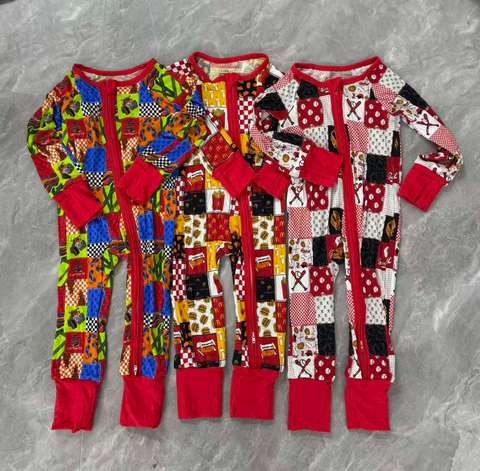
Custom Baby Bamboo Romper Cpsia Compliant Oem
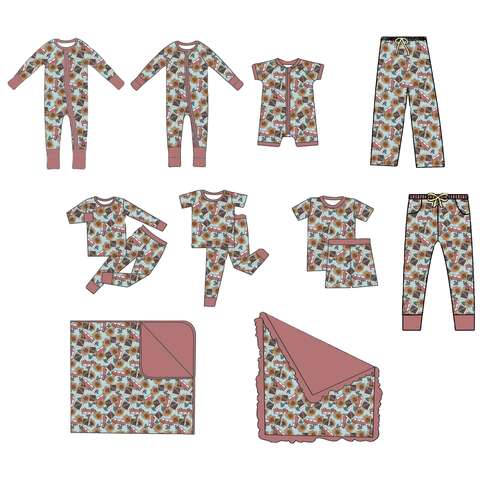
Exploring Baby Bamboo Rompers: Advanced Textile Engineering
The baby bamboo romper has revolutionized the baby apparel industry, combining sustainable materials with exceptional comfort. While this apparel may seem like a simple garment on the surface, its creation involves advanced engineering techniques, involving meticulous considerations of GSM (grams per square meter), fabric density, and cutting-edge industrial machinery. This article delves into the technical aspects of baby bamboo rompers, dissecting the material properties and engineering processes that make them a favorite among parents.
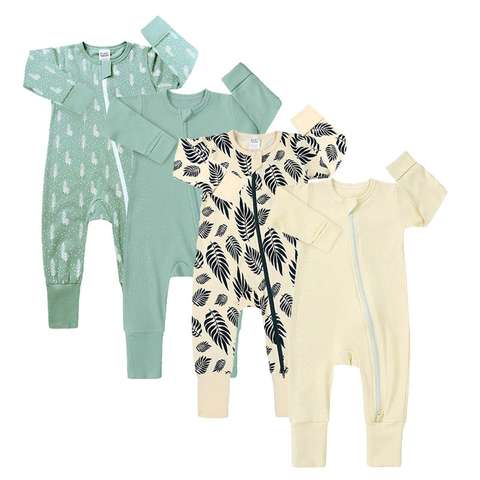
The Significance of GSM in Bamboo Fabric
One of the most critical aspects of any fabric, including bamboo textiles, is its GSM or grams per square meter. GSM is a measure of fabric weight and serves as a key parameter for determining the feel, breathability, and durability of a garment. For baby bamboo rompers, an ideal GSM range typically lies between 160 and 250 GSM. Why is this range vital?
A lower GSM, such as 160-180, provides a lightweight and breathable fabric suitable for warmer climates. This is especially important for baby rompers, as infants require clothing that does not trap excess heat. Meanwhile, rompers with a GSM of 200-250 offer a thicker, more durable fabric perfect for colder weather or increased wear and tear. However, achieving this balance is not only about selecting appropriate GSM but also about ensuring that the material's structural integrity remains intact during production.
Bamboo fabric, in particular, presents unique challenges in GSM consistency due to its natural fibers. Careful control of yarn thickness during the spinning process is crucial to maintaining uniform GSM. Industrial machinery with automated controls has become indispensable in achieving this precision.
Fabric Density and Comfort: The Role of Bamboo Fibers
Another technical parameter that manufacturers focus on is fabric density. While GSM is related to weight, fabric density refers to the tightness of the weave or knit pattern. For baby bamboo rompers, the interplay between GSM and fabric density is fundamental. High-density fabrics, achieved using advanced knitting or weaving technologies, tend to create smoother, stretchable, and more durable textiles.
Bamboo fibers are inherently soft and hypoallergenic, making them ideal for baby garments, but their performance is significantly affected by fabric density. A high-density fabric allows better moisture-wicking properties without compromising the fabric's breathability. This makes bamboo rompers suitable for active infants who may perspire more. On the other hand, overly dense fabrics could reduce flexibility, making the romper restrictive for babies. Engineers working with industrial knitting and weaving machines need to configure parameters such as needle pitch and tension levels carefully to ensure well-balanced fabric density.
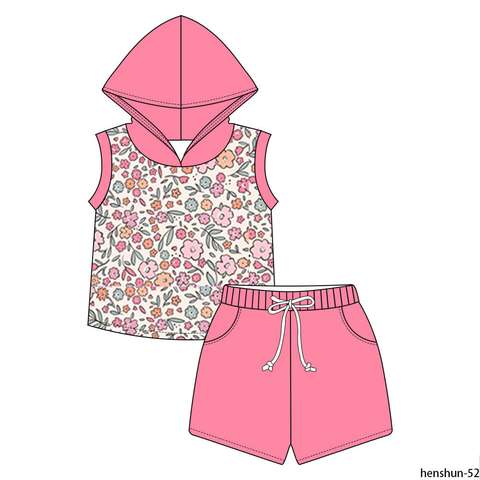
Industrial Machinery: Precision in Bamboo Romper Production
The production of baby bamboo rompers relies heavily on advanced industrial machinery, designed to turn raw bamboo fibers into high-quality fabric. Each step in the production process requires customized machinery optimized for the delicate properties of bamboo textiles.
Knitting and Weaving Machines: Circular knitting machines are commonly used for bamboo textiles to produce seamless and smooth fabrics suitable for babywear. These machines rely on programmable logic controllers (PLCs) to maintain uniform tension and adjust the knitting speed for specific GSM and density requirements. Advanced weaving machines with air-jet or rapier systems, widely used in the textile industry, enable the production of intricate patterns and tighter fabric needed for durability.
Dyeing and Finishing Machines: Bamboo fibers require eco-friendly dyeing and finishing processes to preserve their sustainability credentials. High-pressure dyeing machines allow for deep penetration of dyes while minimizing water waste. Finishing machines, such as thermal bonders or softeners, enhance the fabric's final texture, ensuring it is gentle against the baby’s skin.
The integration of IoT (Internet of Things) and automation in textile machinery is also transforming the manufacturing process. Sensors can monitor fiber tension, detect defects, and adjust parameters in real-time, reducing waste and improving the quality of bamboo rompers.
Sustainability and Innovation in Baby Bamboo Rompers
A significant driver behind the popularity of baby bamboo rompers is their sustainability. Bamboo is a renewable resource that requires minimal water and chemicals to grow. Unlike other materials like cotton, bamboo produces significantly lower carbon emissions and has a faster growth cycle, making it an environmentally friendly choice.
Technological advancements in biomass processing have further solidified bamboo’s position as a sustainable textile material. For instance, mechanical processing uses enzymes to break down bamboo into a spinnable fiber without requiring harsh chemicals, retaining its eco-friendliness. These processes align with global demand for green technology in the apparel industry.
, manufacturers are investing in renewable energy-powered spinning, weaving, and finishing units, ensuring the complete production process has a minimal environmental footprint. This push for green manufacturing also resonates with B2B buyers, who look to offer environmentally conscious products that align with modern consumer values.
| Fabric Type | Organic Bamboo |
| Compliance | CPSIA Compliant |
| Customization | Tailor-made |
| Lead Time | 22 Days |
Key Takeaways for Industrial Stakeholders
The production of baby bamboo rompers exemplifies the marriage of material science, precision machinery, and sustainable innovation. For manufacturers and suppliers involved in the production chain, there are several critical takeaways:
- Focus on Optimized GSM and Fabric Density: Ensure your production processes are fine-tuned to meet the specific requirements of babywear. Understand the balance between lightweight comfort and durability.
- Invest in Advanced Machinery: Modern industrial machines with integrated IoT capabilities can enhance efficiency, improve quality control, and reduce waste during the production process.
- Commit to Sustainable Practices: With growing consumer awareness, offering bamboo garments produced through eco-friendly processes can be a strong competitive advantage in the industry.
By combining technical expertise in GSM, fabric density, and industrial machinery with a commitment to sustainability, companies can stay ahead in the competitive market for baby bamboo rompers. Whether it’s through precision engineering or innovation in textile machinery, the potential to improve and innovate is vast.