Cpc Certified Baby Bamboo Sleeper Astm F963 Wholesale
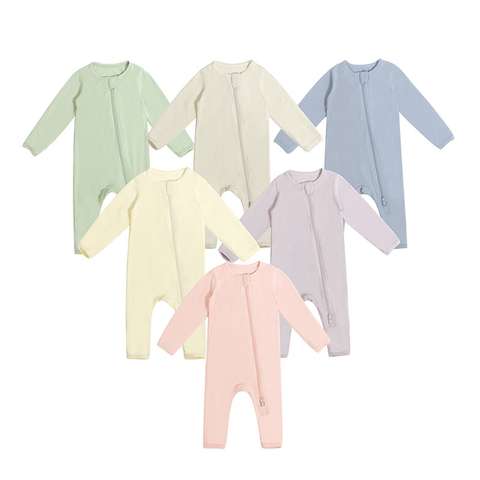
Engineering the Perfect Baby Bamboo Sleeper
As an increasing number of businesses turn toward sustainable materials for their products, baby bamboo sleepers are gaining traction as a premium offering in the infant apparel market. These sleepers combine eco-friendliness, softness, and durability, making them an attractive choice for parents. However, designing and manufacturing these products demand a meticulous understanding of parameters like GSM (grams per square meter), fabric density, and the application of advanced industrial machinery to ensure quality, scale, and consistency in production.
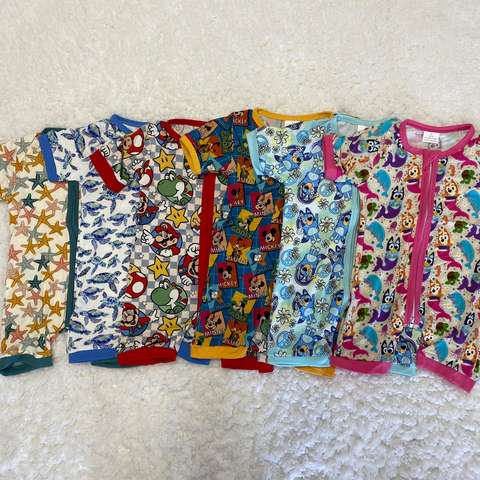
Understanding GSM and Its Impact on Baby Bamboo Sleepers
The GSM of fabric is a critical metric in the design of baby bamboo sleepers, as it determines the weight, thickness, and feel of the clothing. GSM is measured as the weight of the fabric per square meter and directly correlates to a sleeper's durability, breathability, and insulation capabilities. For baby apparel, particularly sleepers, the ideal balance needs to be struck between softness and durability to ensure comfort for infants.
The Role of Low GSM (180-250) Fabrics
Fabrics with a GSM between 180 and 250 are commonly used for lightweight garments, including summer baby sleepers. These fabrics are breathable and soft, ensuring that the infant’s skin does not experience irritation. Bamboo fiber excels in this range due to its natural moisture-wicking properties and anti-bacterial characteristics, making it an excellent choice for warmer climates.
High GSM (300+) Fabrics for Cold Seasons
In contrast, baby bamboo sleepers with a GSM above 300 are ideal for colder climates. These fabrics are denser and provide extra insulation to keep infants warm without being excessively heavy. Advanced industrial machinery plays a significant role in creating high-GSM bamboo fabrics while retaining their softness—a hallmark feature of bamboo materials.
Fabric Density and its Implications
While GSM offers a quantitative measurement of fabric weight, fabric density provides deeper insights into how tightly the fibers are woven or knitted. In baby bamboo sleepers, an optimal level of density not only determines durability but also ensures that the garment meets safety standards such as fire resistance and tear resistance.
Knitting Techniques and Density Optimization
Fabric density is greatly influenced by the knitting patterns used during production. Circular knitting machines, equipped with precision controls, are widely utilized to manufacture bamboo fabric for baby sleepers. Some popular patterns include interlock knit for enhanced strength and jersey knit for supreme softness. Cutting-edge industrial machinery with digital control makes it possible to produce fabrics with consistent density, which translates to uniform texture and comfort.
Thermal Regulation Through Fabric Density
An advantage of bamboo fibers is their inherent ability to regulate temperature. By carefully controlling the density of the fabric, manufacturers can design baby sleepers that provide warmth during colder nights but remain breathable in higher temperatures. For businesses producing bamboo sleepers, understanding these trade-offs between density and thermal regulation is crucial when targeting particular demographics or climates.
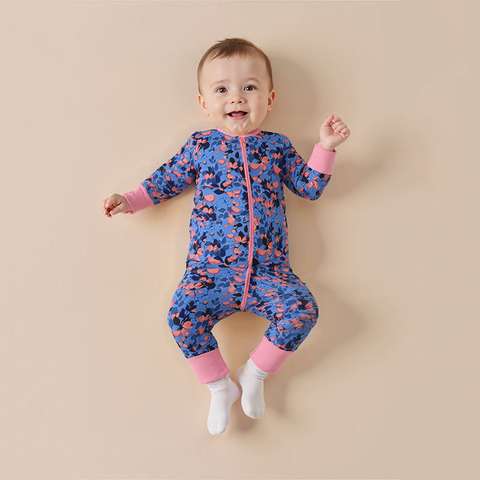
The Role of Industrial Machinery in the Production Process
The production of baby bamboo sleepers at scale demands precision, efficiency, and sustainability, traits that are largely dependent on the industrial machinery employed. Bamboo fibers, while versatile, require specialized treatment to ensure their properties are not compromised during manufacturing.
Fiber Preparation
To produce fabric from bamboo, the fibers undergo multiple stages of processing. Modern industrial machinery transforms the raw bamboo into pulp, which is then broken down into cellulose threads. This process significantly benefits from high-output machinery that minimizes material waste while maintaining quality.
Yarn Production
Advanced spinning machines create yarns with consistent tension and thickness, necessary for uniformity in the final product. Open-end and ring spinning technologies are frequently used in creating bamboo yarn. These machines operate with high precision, allowing manufacturers to control yarn strength and evenness, which directly affect the quality of the resulting sleepers.
Fabric Knitting or Weaving
The role of knitting and weaving machines in the production process cannot be overstated. Circular knitting machines are particularly suited for creating baby apparel due to their ability to produce seamless, comfortable garments. Automated jacquard weaving machines enable intricate designs for premium bamboo sleepers, meeting the aesthetic and functional demands of the B2B market.
Quality Assurance Through Digital Monitoring
Most industrial machinery used for bamboo fabric production integrates digital monitoring systems to ensure consistency across batches. Sensors and cameras track fabric quality parameters, including GSM, density, and tensile strength. In addition, these systems allow for real-time adjustments, ensuring that the final product aligns with predefined quality standards.
The Sustainability Angle
With growing concerns about environmental impact, sustainability has become a non-negotiable factor for businesses involved in baby apparel. Bamboo is inherently a sustainable material due to its rapid growth rate and minimal water requirements. However, the choice of manufacturing processes and machinery can further enhance the environmental credentials of the final product.
Energy-Efficient Machinery
Modern knitting machines with energy-efficient operations reduce utility consumption, positively impacting both the environment and operational costs. Manufacturers should seek equipment with energy-saving features or certifications to align with industry trends and customer expectations.
Waste Reduction
From fiber to the finished product, waste can be significantly minimized through integrated systems that analyze and optimize material use. For instance, implementing automatic cutting tools with advanced sensors ensures that fabric remnants are kept to a minimum.
Eco-Friendly Treatments
The softness and anti-bacterial properties of baby bamboo sleepers can be enhanced further using eco-friendly dyeing and finishing processes. Low-impact, water-saving dyeing equipment ensures less environmental damage while retaining the vibrant and soft qualities of the fabric.
Challenges and Future Prospects in Manufacturing Baby Bamboo Sleepers
While baby bamboo sleepers present a lucrative opportunity, manufacturers face several challenges. These include ensuring a steady supply of high-quality bamboo fibers, managing the initial costs of industrial-grade machinery, and meeting stringent regulations for baby products. However, with growing demand and technological advancements, these challenges are surmountable.
Innovative Machinery Enhancements
Ongoing innovations in industrial machinery, such as AI-integrated monitoring systems and robotic automation, promise to revolutionize the production of baby bamboo sleepers. Businesses can look forward to increased efficiency, lower operating costs, and enhanced product quality as new technologies are adopted.
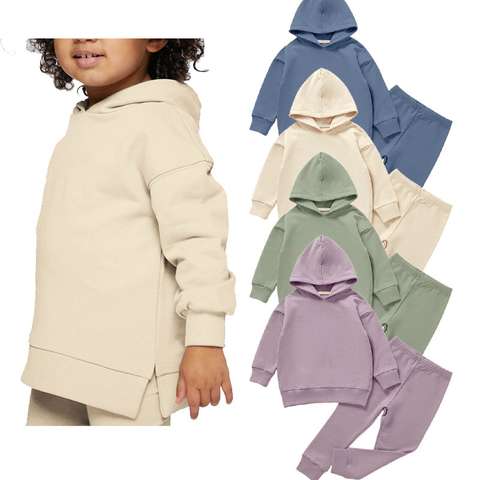
Market Expansion
As awareness grows about the benefits of bamboo fibers for baby products, market opportunities are expanding. Penetrating regions with different climate conditions will require fine-tuning GSM and fabric density characteristics to meet local needs. Collaborating with specialized fiber suppliers and machinery manufacturers can help achieve these goals.
Meeting Growing Demand
For B2B businesses involved in baby bamboo sleeper production, scaling operations to meet surging demand is another critical area. Advances in industrial machinery, particularly in automated spinning and knitting technology, will enable firms to achieve scalability without compromising quality or sustainability.
Baby bamboo sleepers represent a convergence of sustainability, functionality, and innovation in the garment industry. Key to their success is an in-depth understanding of GSM, fabric density, and the role of industrial machinery in creating products that meet industry expectations. Businesses that invest in cutting-edge technology and sustainable practices are poised to lead in this rapidly growing market, offering comfort and environmental responsibility in equal measure.
| Fabric Type | Pima Cotton |
| Compliance | OEKO-TEX 100 |
| Customization | OEM |
| Lead Time | 29 Days |