Private Label Bamboo Romper Baby Cpc Certified Supplier
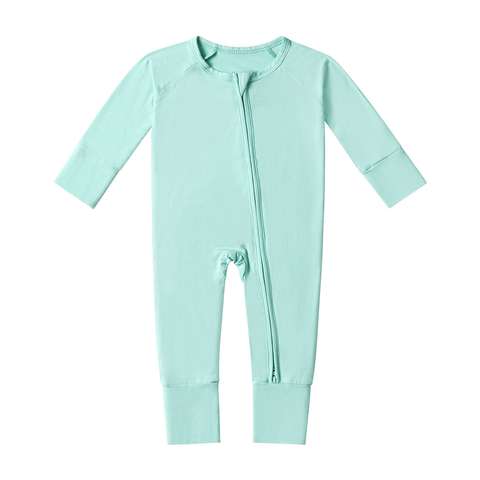
The Rise of Bamboo Rompers in Babywear Manufacturing
Bamboo rompers for babies are gaining significant momentum in the textile industry due to their sustainability, softness, and adaptability to sensitive skin. For business-to-business (B2B) manufacturers looking to enter or expand in the babywear market, understanding the technical specifications of bamboo fabric, the challenges of maintaining optimal fabric density, and the role of industrial machinery in enhancing production efficiency is crucial. This article will delve into the technical aspects of bamboo romper production to help you make informed decisions about materials and machinery.
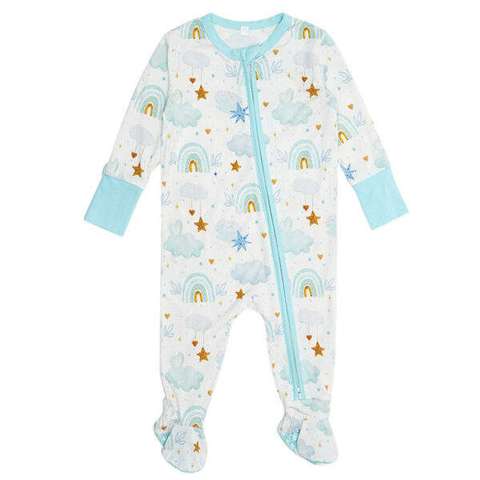
Bamboo Fabric: An Overview of Its Unique Properties
Bamboo fabric is derived from bamboo pulp, processed into fibers through chemical or mechanical means. The result is a fabric prized for its sustainable sourcing and softness, making it ideal for babywear. Yet, when considering the use of bamboo fabric for baby rompers, diving into its technical qualities, including GSM (grams per square meter), tensile strength, and moisture-wicking properties, is essential. These properties grant bamboo fabric its appeal while posing unique manufacturing challenges.
Understanding GSM in Bamboo Rompers
GSM, or grams per square meter, measures fabric density and is one of the critical parameters manufacturers use to evaluate fabric quality. In babywear, achieving a perfect balance of GSM is critical for creating lightweight yet durable rompers. Typical GSM for bamboo fabrics used in baby rompers ranges from 180-250 GSM. Here’s an explanation of why GSM matters:
- Comfort and Breathability: Low GSM fabrics (around 180) are lightweight and breathable, crucial for baby rompers, particularly for summer wear.
- Durability: Higher GSM fabrics (up to 250) offer more durability and warmth, making them suitable for colder climates or multi-purpose wear.
- Stretch and Recovery: Balancing GSM while incorporating spandex or elastane in bamboo fabrics allows for a four-way stretch, essential for baby rompers meant to accommodate mobility and growth.
Manufacturers must carefully monitor GSM at every stage of production, as it directly impacts fabric performance and, consequently, product quality. Investing in precision equipment and real-time GSM monitoring systems can help meet stringent quality standards.
Industrial Machinery for Bamboo Fabric Processing
The efficient and precise manufacturing of bamboo fabrics and garments like rompers requires advanced industrial machinery. Below are the key processes where machinery plays a pivotal role:
1. Bamboo Pulp to Yarn: The Role of Spinning Frames
Bamboo yarn production starts with processing raw bamboo into a pulp, turning it into fibers, and then spinning it into yarn. Open-end and ring spinning machines are widely used for bamboo yarn production. Industrial spinning frames equipped with electronic parameter controls ensure uniform thread thickness, improving both fabric quality and strength.
2. Knitting or Weaving Machines for Bamboo Fabrics
Most bamboo rompers are crafted using knit fabrics due to their stretchability and softness. Circular knitting machines are preferred, as they facilitate continuous production of seamless fabric tubes, allowing for minimal material waste. For woven bamboo fabrics, air-jet looms are often employed for their ability to handle delicate fibers gently yet efficiently.

3. Fabric Finishing and Dyeing Processes
Since bamboo is highly absorbent, dyeing it requires advanced precision to avoid uneven color tones. Continuous dyeing ranges (CDRs) and paddle dyeing machines are commonly utilized by manufacturers, offering customizable controls for time, temperature, and pH levels. Additionally, fabric finishing machines, such as calendaring machines, enhance the smoothness and sheen of bamboo fabrics.
The Importance of Consistent Fabric Density in Babywear
One of the biggest challenges for manufacturers crafting bamboo baby rompers is ensuring consistent fabric density throughout the production process. Uneven density can lead to several issues, such as poor garment fit, compromised durability, and consumer dissatisfaction.
To tackle this, manufacturers should employ rigorous quality control protocols. Automated fabric inspection systems, equipped with Artificial Intelligence (AI), can detect inconsistencies in fabric density at an early stage. These systems use high-resolution sensors to measure fabric thickness and GSM, ensuring that every batch meets predefined specifications.
Advancements in Industrial Automation for Bamboo Romper Production
The transition to Industry 4.0 has brought significant advancements in the manufacturing of babywear. Automation, coupled with data analytics, can increase the efficiency and scalability of bamboo romper production. Here’s how:
| Fabric Type | Pima Cotton |
| Compliance | CPC Certified |
| Customization | OEM |
| Lead Time | 34 Days |
1. Computer-Aided Design and Manufacturing (CAD/CAM)
CAD software enables pattern designers to create accurate garment designs while minimizing fabric wastage. When linked with computerized machinery, these digital designs are translated into precise cutting and sewing operations, ensuring uniformity across production batches.
2. Automated Cutting Machines
High-speed cutting machines can drastically increase production rates while maintaining precision. For bamboo rompers, automatic cutters equipped with ultrasonic or laser capabilities are particularly effective in preserving fabric integrity.
3. Robotic Sewing Systems
Sewing operations for baby rompers often require intricate detailing to accommodate snaps, zippers, or buttons. Robotic sewing systems, with programmable stitching patterns, ensure consistency and speed. These machines also reduce human error, a critical factor when working with delicate materials like bamboo.
Environmental Impact of Bamboo Romper Manufacturing
Bamboo fabric is considered a sustainable option due to its fast growth cycle, low water requirements, and biodegradability. However, it is important to recognize that the environmental impact largely depends on how bamboo is processed. The two main methods are:
- Mechanical Processing: A more eco-friendly method where bamboo is mechanically crushed, enzymes are applied to separate fibers, and then spun into yarn. While less chemically intensive, this process is labor-intensive and has higher production costs.
- Chemical Processing: This method involves treating bamboo with chemicals like sodium hydroxide and carbon disulfide. It is more efficient but less eco-friendly unless coupled with proper waste management systems.
Companies committed to sustainability should consider investing in closed-loop manufacturing processes to minimize the environmental impact of chemical processing. Advanced effluent treatment plants (ETPs) and recycling systems are essential to ensure that the chemicals used do not harm the environment.
Final Thoughts and Industry Outlook
The bamboo romper market offers lucrative opportunities for manufacturers looking to create sustainable, high-quality babywear. However, success depends on a deep understanding of the technical parameters like fabric GSM, industrial machinery capabilities, and modern manufacturing practices. Incorporating automation and sustainability into the production process can set manufacturers apart in this competitive market.
By leveraging cutting-edge machinery and maintaining strict quality control, businesses can efficiently produce bamboo baby rompers that meet the high expectations of eco-conscious and quality-focused consumers. As demand for sustainable and safe babywear continues to rise, investing in advanced technology and environmentally friendly processes will not only address consumer needs but also support long-term business growth.
, bamboo romper manufacturing exemplifies how material science, industrial engineering, and sustainability can converge to meet growing market demands. For B2B manufacturers seeking to stay competitive, now is the time to embrace these advancements and make a lasting impact in the babywear industry.