Cpc Certified Baby Pink Romper Oem Supplier
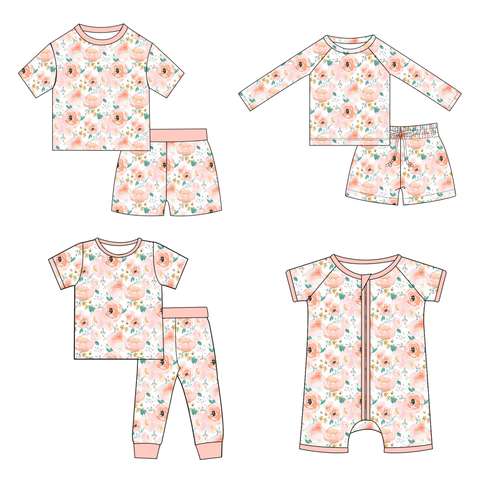
Understanding the Engineering of Baby Pink Rompers
In the world of children’s wear manufacturing, the baby pink romper holds a special place. Behind its soft hue and adorable design lies an exceptional engineering process rooted in fabric technology and industrial machinery. A key to producing quality baby pink rompers is understanding fabric GSM (grams per square meter), fabric density, and how industrial machines facilitate the creation of this wardrobe staple.
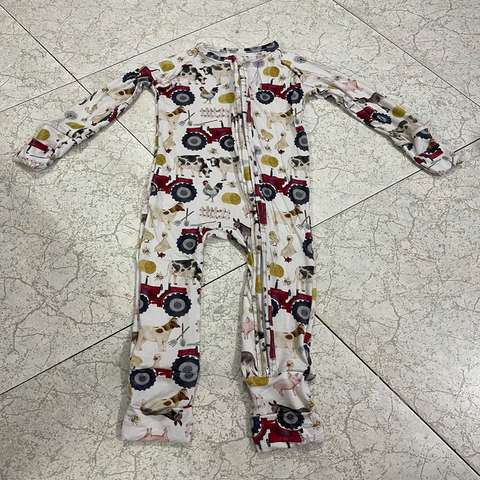
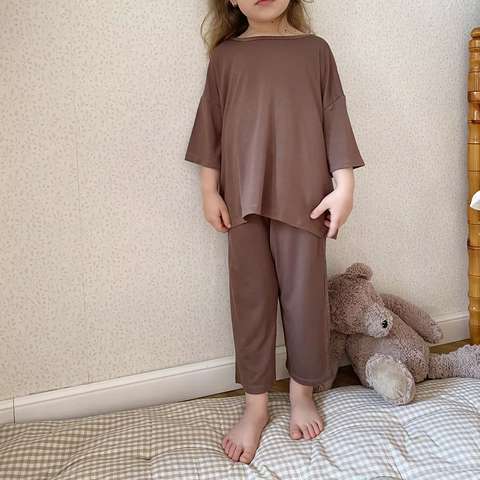
This article delves deep into the technical foundation of baby pink rompers tailored for manufacturers, suppliers, and business partners working in the textile and garment production industry.
The Role of GSM in Baby Pink Romper Production
GSM, or grams per square meter, is an essential metric in fabric technology. It defines the weight of fabric per square meter and directly impacts the romper's durability, comfort, and softness. For baby pink rompers, selecting the appropriate GSM is a critical design choice.
The ideal GSM for babywear typically ranges between 180 and 240 GSM. A lower GSM fabric, around 180, ensures comfort and breathability, while a higher GSM, close to 240, provides durability and structure. For baby pink rompers, fabric engineers must balance GSM to meet industry standards for infant garments, where both comfort and durability are necessary.
Additionally, the GSM influences production costs. Lighter fabrics reduce costs but may compromise durability, while heavier fabrics improve longevity but might increase manufacturing expenses. As such, manufacturers work with suppliers to customize fabric weights to suit customer demands while maintaining profitability.
Fabric Density and Its Impact on Baby Pink Rompers
Fabric density refers to the thread count or the number of threads per unit area of the fabric. This parameter is closely related to GSM but focuses more on the weave's tightness and texture. For baby rompers, higher-density fabrics ensure a softer and more consistent feel, which is crucial for a baby's delicate skin.
Knitted fabrics, such as jersey or interlock knits, are often the preferred choice for rompers because of their stretchability and softness. The density of these knit fabrics can be adjusted by changing the yarn thickness or modifying the knitting machinery. A denser knit fabric is less likely to snag or tear, making it ideal for long-lasting baby garments.
The interplay between fabric density and GSM is vital for achieving optimum quality. Specialized industrial processes ensure that even with a lightweight fabric, the weave is tight enough to prevent wear and tear while preserving softness. For baby pink rompers, this technical balance defines the final product's tactile experience and performance characteristics.
Industrial Machinery Used in Manufacturing Baby Pink Rompers
The production of baby pink rompers is dependent on advanced textile machinery, from fabric creation to stitching and finishing processes. Below are some of the key machines that power the manufacturing pipeline:
Knitting and Weaving Machines
Fabrics used in baby pink rompers, especially jersey and interlock knits, are created through advanced circular knitting machines. These machines ensure consistent patterns, elasticity, and softness by configuring precise stitch patterns. The adjustment of yarn tension and cylinder settings allows for controlling fabric density and thickness.
For woven fabrics, automated weaving machines use computer-aided designs (CAD) to achieve specific textures and weaves. Jacquard looms, for example, allow for intricate patterns in contract manufacturing projects.
Dyeing and Coloring Machines
The baby pink hue of these rompers involves specialized dyeing processes. Paddle dyeing machines and jet dyeing equipment ensure uniform coloring. Using azo-free, non-toxic dyes is a necessity when producing baby garments, as they must comply with international safety standards like Oeko-Tex certification.
By integrating precision temperature control and automation, dyeing machines can achieve consistent shades of pink across batch productions. These systems also allow manufacturers to reduce environmental waste through water reuse and efficient dye consumption.
Sewing and Assembly Lines
The cutting and sewing processes for baby pink rompers involve specialized flatlock and overlock sewing machines. Flatlock machines ensure seamless construction, minimizing surface irritants on the garment. Overlock machines provide reinforced edging to prevent fraying during usage or washes.
Automated cutting machines, such as laser cutters, ensure precision in pattern sizing and eliminate fabric wastage. These tools are crucial for maintaining consistency in large-scale orders.
Packaging and Final Finishing Equipment
After the baby pink romper is sewn and inspected, finishing processes such as steaming and folding are carried out. Garment steamer machines help remove creases, enhancing the final product's presentation. Automated packing machines then fold and wrap the rompers, along with tags or branding details.
Industrial packaging lines focus on maintaining hygiene and ensuring that the garments are protected during transit. For rompers aimed at premium markets, these packaging processes may include vacuum sealing and individual protective layering to enhance product appeal.
Ensuring Quality Control in Baby Pink Romper Manufacturing
Quality control is paramount in the production of baby pink rompers. Infants' sensitive skin requires fabrics that adhere to stringent safety standards and offer hypoallergenic properties. Ensuring consistent GSM, fabric density, and stitching quality are part of a robust quality assurance framework.
| Fabric Type | Organic Bamboo |
| Compliance | ASTM F963 |
| Customization | Tailor-made |
| Lead Time | 15 Days |
During the production process, industrial machinery integrates embedded sensors and software to perform real-time quality checks. These systems can detect inconsistent fabric tensions, misaligned stitches, or dyeing irregularities. This real-time monitoring minimizes errors and ensures batch uniformity.
Further, laboratories associated with large-scale garment manufacturers conduct physical tests on fabric samples. Tensile strength, pilling resistance, and shrinkage tests are carried out to certify garments for wear and wash durability.
Sustainability Trends in Baby Pink Romper Manufacturing
With growing global emphasis on sustainability, baby pink romper production is adapting to eco-friendly practices. Organic cotton and bamboo fabrics are popular materials, owing to their renewable nature and gentle touch. These materials require specific adjustments in fabric creation and finishing to maintain both sustainability and performance.
Additionally, industrial machinery is evolving to reduce environmental footprints. Advanced dyeing machines use less water and more sustainable chemical formulations, while cutting equipment incorporates fabric optimization algorithms to minimize waste.
Many manufacturers are also transitioning to renewable energy sources to power their facilities. From solar panels to installing energy-efficient machinery, these efforts reduce operational costs and align with the environmental goals of retail buyers.
Manufacturing baby pink rompers is no small feat. It requires meticulous engineering, from fabric GSM and density formulation to the use of advanced industrial machinery for seamless production. As textile manufacturers continue to innovate, the quality, safety, and sustainability of rompers are optimized to meet market demands and global regulatory standards.
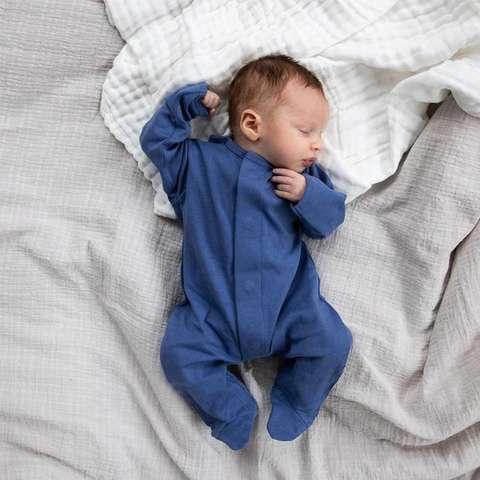
For businesses in the textile industry, partnering with suppliers and manufacturers equipped with state-of-the-art technologies can transform designs into a reality while maintaining eco-conscious and cost-effective practices. The baby pink romper is not just a garment; it is a product of technical precision and collaboration, destined to bring joy to parents and comfort to infants around the globe.