Cpsia Compliant Baby Boy Sleepers 03 Months Gots Organic Exporter
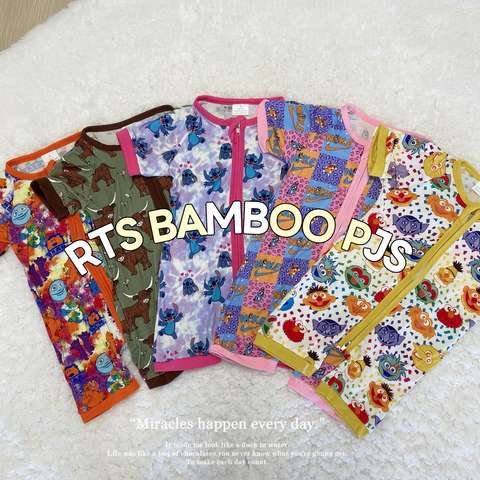
The Engineering Behind Baby Boy Sleepers: 0–3 Months
In the world of infant apparel, baby boy sleepers for 0–3 months represent a specialized category of garments designed with precision engineering, material science, and industrial manufacturing processes. These garments are not just about aesthetics—they require meticulous consideration of factors like fabric density (measured in GSM), the construction techniques, and the machinery used to meet both safety and comfort standards. This article dives deep into the technical aspects of these sleepers, presenting insights for manufacturers, suppliers, and industry stakeholders.
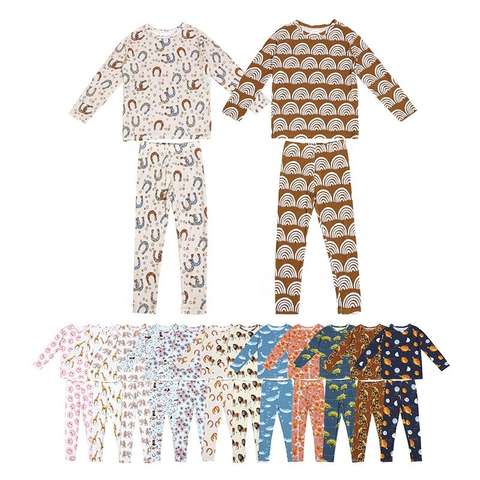
The Importance of GSM in Baby Clothing
Grams per Square Meter (GSM) is a pivotal metric in textile engineering, as it quantifies the density and weight of fabric. In baby clothing, particularly sleepers for 0–3 months, GSM directly impacts the garment's comfort, durability, and thermal properties.
For baby sleepers, an ideal GSM range typically falls between 150 and 200. This enables manufacturers to create a fabric that is soft yet slightly robust, accommodating the needs of newborns whose skin is highly sensitive. Fabric beyond 200 GSM, while more durable, may contribute to overheating or discomfort for infants and fewer breathable properties, which is why striking the right balance is critical in this category of clothing.
When producing precise GSM fabrics, manufacturers often opt for cotton, organic blends, or bamboo fabrics. For instance, organic cotton with a GSM of 180 is breathable and hypoallergenic and offers excellent moisture-wicking capabilities—a top choice for parents and industry professionals alike.
The Role of Fabric Density in Performance
Fabric density, often intertwined with GSM, refers to how tightly the fibers are woven into the fabric. While GSM measures weight, density speaks to the physical structure of the material and its functionality. For baby boy sleepers, this aspect is critical in ensuring durability without sacrificing softness and flexibility.
Densely woven fabrics, such as high-thread-count cotton, enhance durability and prevent tears or wear under frequent use. However, over-densification can affect elasticity and breathability, which are crucial for a dynamic, wriggling 0–3 month-old infant. This is where double-knit fabrics strike an excellent balance, as they merge durability with efficient breathability and stretch properties.
Manufacturers need to closely monitor fabric density during production, ensuring fiber weaves fall within an acceptable range for sleepers. Automated quality assessment systems on industrial looms are an invaluable tool in achieving these metrics consistently.
Industrial Machinery for Baby Sleeper Production
Production of baby boy sleepers requires specialized industrial-grade machinery capable of precision in fabric construction, cutting, and assembly. From knitting and weaving fabrics to sewing and adding closures, machinery plays a decisive role in creating high-quality garments that meet stringent regulatory and consumer safety standards.
Knitting and Weaving Machines
Modern knitting and weaving machines are at the heart of sleeper production. Warp-knitting machines, for example, offer exceptional fabric stability, suitable for sturdy yet lightweight baby clothing. Circular knitting machines help create seamless fabrics, reducing the need for heavy seams that might irritate delicate infant skin.
Cutting Machines and CNC Systems
To maintain precision and reduce fabric waste, computer numerical control (CNC) cutting machines are commonly employed. These machines use programmed designs to cut specific patterns for sleepers, achieving millimeter-level precision. Automated cutting reduces waste by optimizing fabric layouts, crucial for large-scale production with sustainable practices.
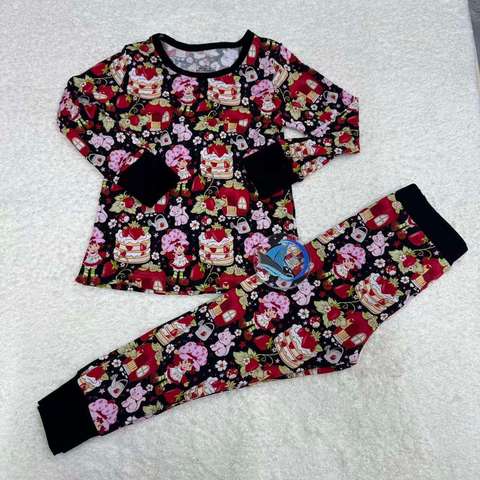
Sewing and Assembly Machines
Sewing machines equipped with programmable logic controllers (PLCs) allow for highly consistent stitching, crucial in ensuring durability and safety in baby clothing. Flatlock stitching machines are often used for sleepers, as they create seams that are nearly flat and less abrasive against the skin. Automated buttonholers and snap fastener machines are also used to attach closures, ensuring uniformity and functionality in every garment.
Safety Standards Governing Baby Boy Sleepers
When it comes to infants' clothing, safety is paramount. The textile industry is governed by strict safety standards, particularly when producing garments for newborns. Baby boy sleepers for 0–3 months must comply with guidelines such as the Consumer Product Safety Improvement Act (CPSIA) in the United States or the REACH regulation in the European Union.
The primary focus of these standards is on flammability, chemical safety, choking hazards, and product labeling. Fabrics must pass flammability tests, often achieved by using natural fibers like cotton or specialized blends treated with non-toxic flame retardants. , no harmful chemicals, such as formaldehyde or heavy metals, should be present in dyes or finishes applied to the product.
| Fabric Type | Pima Cotton |
| Compliance | ASTM F963 |
| Customization | Custom |
| Lead Time | 33 Days |
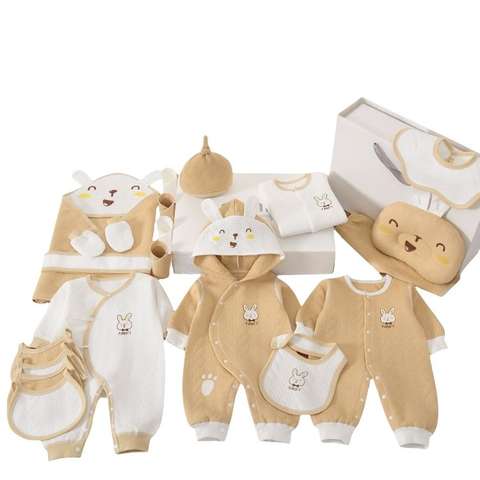
To comply with these standards, manufacturers utilize advanced fabric testing machinery to evaluate flammability, tensile strength, and chemical residue levels. Maintaining safety compliance not only ensures product quality but also builds trust with consumers and retail partners.
The Critical Role of Quality Control Processes
Quality control (QC) processes are an integral part of the engineering and manufacturing workflow for baby boy sleepers. The delicate requirements of infant clothing necessitate rigorous inspection at every stage of production.
Fabric Inspection and Testing
QC processes begin with inspecting raw fabrics for defects such as uneven dyeing, pilling, or irregular weaves. Tools like computerized fabric inspection machines utilize high-resolution cameras and sensors to identify inconsistencies, ensuring only top-quality material proceeds to the rest of the production cycle.
Stitching and Seam Quality Checks
During garment assembly, automated systems conduct seam-strength tests to ensure the stitches can withstand regular use without coming apart. Additionally, manual inspections confirm that all seams are soft and non-irritating, meeting the high standards demanded for infant garments.
Final Product Inspection
Before distribution, finished sleepers undergo a final round of inspections that include verifications for sizing accuracy, proper attachment of closures, and compliance with safety Certifications. Advanced systems employing AI and machine learning increasingly play a role in this process, enhancing efficiency and reducing human error.
Innovations in the Sleeper Manufacturing Industry
Many recent innovations are reshaping how baby boy sleepers are designed and produced. Sustainable fabric technology is gaining traction, with options like TENCEL™ and recycled cotton blends reducing the industry’s carbon footprint. Additionally, advancements in smart textile technology have led to fabrics with built-in moisture and temperature management properties, offering enhanced comfort for newborns.
From a manufacturing perspective, Industry 4.0 principles, which integrate IoT, robotics, and real-time data analytics, are revolutionizing garment production. This level of automation enables manufacturers to produce higher volumes of sleepers faster while maintaining impeccable quality standards.
Producing baby boy sleepers for 0–3 months is a precise and highly technical endeavor, requiring a harmonious blend of material science, engineering, and safety compliance. From optimizing GSM and fabric density to employing cutting-edge industrial machinery, each stage is crucial in delivering a product that is both safe and comfortable for infants. By embracing emerging technologies and adhering to rigorous standards, manufacturers can not only meet market demands but also position themselves as leaders in infant apparel production. For businesses in the textile and apparel industries, understanding these technical details can make a profound difference in achieving operational success and consumer satisfaction.